USDAOfficial guidance
USDA FoodKeeper – Cold Storage Guidelines
Official refrigerator, freezer, and pantry timelines maintained by the U.S. Department of Agriculture.
Visit USDA FoodKeeperLast reviewed: January 2026
Reviewed by the Can I Eat Expired Editorial Team using official USDA, FDA, and CDC food safety guidance. How we assess food safety risk
Storage conditions, initial freshness, and proper handling change the answer — and those details are easy to miss.
Get a yes / no answer for your cold smoked salmon →
Check Your Exact SituationDiscard it after the expiration date.
Fridge
34-38°F (1-3°C)
Original vacuum packaging. Once opened, wrap tightly in plastic
7 days
90 days
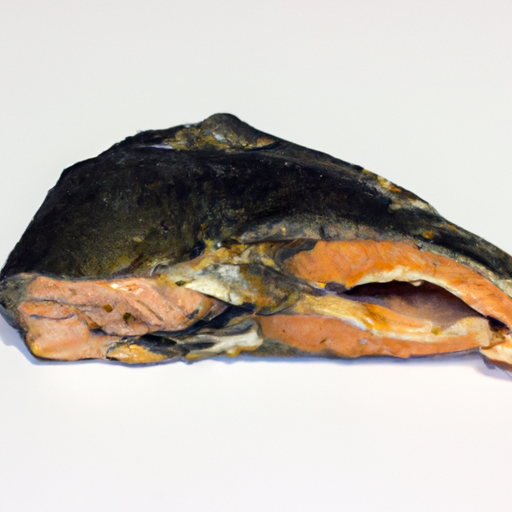
Slimy surface, dull color, strong fishy smell, mold
Hot-smoked salmon, cured trout
The expiration date on cold smoked salmon indicates the date by which the product should be consumed to ensure safety and quality. Beyond this date, there is an increased risk of spoilage and bacterial growth. However, the best quality of cold smoked salmon is typically within a few days of purchase or opening, as the flavor and texture may deteriorate over time even if the product is still safe to eat. It is recommended to consume cold smoked salmon within 3-5 days for the best quality.
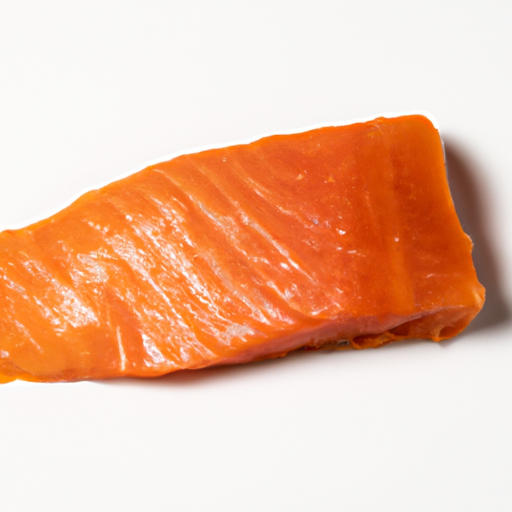
To determine if cold smoked salmon has gone bad, look for any signs of mold, discoloration, or a slimy texture. A strong, unpleasant fishy smell is also an indication that the salmon is no longer fresh. If the salmon appears dull, has a mushy texture, or smells off, it is best to discard it to avoid any potential foodborne illnesses.
Cold smoked salmon is a potentially hazardous food due to its high protein content and moisture level, which can create an ideal environment for bacterial growth if not stored properly. To reduce the risk of foodborne illness, it is crucial to ensure that cold smoked salmon is kept refrigerated at or below 40°F (4°C) at all times. Additionally, it is important to consume cold smoked salmon within a few days of opening the package or purchasing it from a deli to minimize the risk of bacterial contamination.
To maximize the shelf life and quality of cold smoked salmon, it is recommended to store it in the coldest part of the refrigerator, such as the back of the bottom shelf, where the temperature is most consistent. If the cold smoked salmon is not vacuum-sealed, transfer it to an airtight container or wrap it tightly in plastic wrap to prevent exposure to air and moisture. For longer storage, cold smoked salmon can also be frozen for up to 2-3 months, but the texture may slightly change upon thawing. To enhance the flavor of cold smoked salmon, consider serving it with traditional accompaniments such as cream cheese, capers, red onions, and fresh dill.
Cold smoked salmon has a rich cultural history and is a popular delicacy in many countries, particularly in Scandinavia and Scotland. In these regions, cold smoking salmon is a traditional method of preserving fish that dates back centuries. It is often enjoyed as a luxurious treat or a special dish for celebrations and gatherings. In addition to its cultural significance, cold smoked salmon is known for its distinct smoky flavor and tender texture, making it a versatile ingredient in various cuisines around the world.
If Cold Smoked Salmon has been at room temperature for 2 hours, it's best to discard it to reduce the risk of foodborne illness. Bacteria can multiply rapidly in the temperature danger zone (40°F - 140°F), which includes room temperature.
Once opened, Cold Smoked Salmon should be consumed within 3-4 days if stored properly in the fridge. Ensure it is tightly wrapped or sealed to maintain freshness and prevent contamination.
The container plays a crucial role in preserving the quality of Cold Smoked Salmon. Opt for airtight containers or vacuum-sealed packaging to extend its shelf life. Avoid storing it in containers that allow air or moisture to seep in, as this can accelerate spoilage.
Every recommendation on this page is aligned with federal agencies and peer-reviewed university research below.
Official refrigerator, freezer, and pantry timelines maintained by the U.S. Department of Agriculture.
Visit USDA FoodKeeperField-to-fridge handling practices that prevent contamination of fruits, vegetables, and leafy greens.
Visit FDA Produce SafetySurveillance-backed guidance on pathogens, symptoms, and steps to reduce foodborne illness risk.
Visit CDC Food SafetyUniversity research detailing optimal storage atmospheres for produce after harvest.
Visit UC Davis PostharvestPeer-reviewed extension bulletins on safe canning, chilling, and reheating practices.
Visit Penn State ExtensionStorage: Fridge
View guide →
Storage: Pantry
View guide →
Storage: Pantry
View guide →
Storage: Pantry
View guide →
Storage: Cool Dark Place
View guide →
Storage: Pantry
View guide →
Storage: Pantry
View guide →
Storage: Fridge
View guide →
Storage: Fridge
View guide →
Important: These are general guidelines based on authoritative sources listed above. Always use your best judgment and when in doubt, throw it out.