USDAOfficial guidance
USDA FoodKeeper – Cold Storage Guidelines
Official refrigerator, freezer, and pantry timelines maintained by the U.S. Department of Agriculture.
Visit USDA FoodKeeperStorage conditions, initial freshness, and proper handling change the answer — and those details are easy to miss.
Get a yes / no answer for your steel oats →
Check Your Exact Situation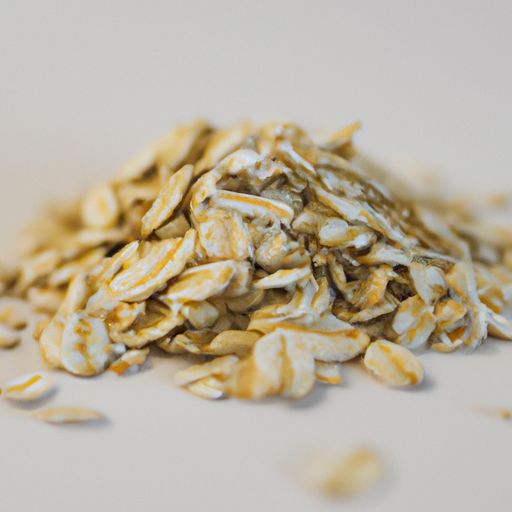
Last reviewed: January 2026
Reviewed by the Can I Eat Expired Editorial Team using official USDA, FDA, and CDC food safety guidance. How we assess food safety risk
This food is often safe when handled and stored properly, but safety depends on how it's been kept and whether any spoilage signs are present.
⏱️ Safe for up to 180 days after expiry if properly stored and showing no spoilage signs.
Cool Dark Place
60-70°F (15-21°C)
Airtight container with moisture absorber. Keep away from heat and light
730 days
1095 days
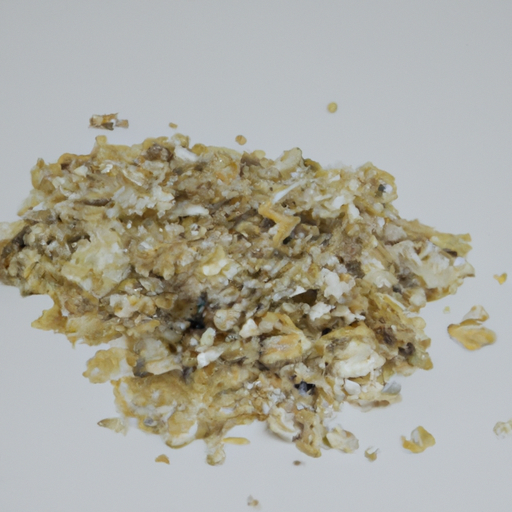
Rancid smell, mold, insect presence, unusual moisture
Flour substitute, overnight oats
Rolled oats, Scottish oatmeal
Steel cut oats do not have a strict expiration date like perishable foods, but they can lose their quality over time. The expiration date on the package indicates the period during which the oats are expected to retain their best quality in terms of taste and texture. After this date, the oats may not taste as fresh or have the same texture, but they are still safe to eat if stored properly. It's best to consume steel cut oats within a reasonable time frame for the best taste and texture experience.
To determine if Steel Cut Oats have gone bad, look for any signs of mold, discoloration, or an off smell. Fresh Steel Cut Oats should have a neutral smell and a uniform color with no visible signs of spoilage. Check for any unusual changes in texture, such as clumping or a slimy feel, which may indicate that the oats are no longer safe to consume.
Steel cut oats are generally considered safe to consume, but there are some food safety precautions to keep in mind. Make sure to store steel cut oats in a dry, airtight container to prevent moisture and pests from contaminating the oats. Improper storage can lead to the growth of mold and spoilage. Additionally, always check the oats for any signs of rancidity or unusual odors before consuming them. If stored improperly or for an extended period, steel cut oats can become rancid and develop off-flavors, which may cause digestive issues if consumed.
To prolong the shelf life of steel cut oats and maintain their freshness, store them in a cool, dry place away from direct sunlight. Transfer the oats to an airtight container or resealable bag to protect them from moisture and air exposure. You can also store steel cut oats in the refrigerator or freezer for extended storage. When cooking steel cut oats, soak them overnight to reduce the cooking time and enhance their texture. Adding a pinch of salt while cooking can help bring out the natural flavors of the oats. Experiment with different toppings like fruits, nuts, seeds, and spices to customize your steel cut oatmeal to your liking.
Steel cut oats have been a staple breakfast food in many cultures for centuries. They are particularly popular in Scotland, where they are known as 'porridge' and are traditionally served with milk or cream and honey or sugar. In the United States, steel cut oats have gained popularity for their nutritional benefits and hearty texture. They are often used in recipes for oatmeal cookies, energy bars, and savory dishes as well. Steel cut oats are a rich source of fiber, protein, and essential nutrients, making them a nutritious choice for a balanced diet.
Steel Cut Oats can sit out at room temperature for up to 24 hours without significant safety concerns. However, it's best to store them in a cool, dark place to maintain freshness and quality.
If properly stored in an airtight container in the fridge, Steel Cut Oats can be safe to eat within a week. Check for any off odors, mold growth, or unusual discoloration before consuming.
The type of container can impact the shelf life of Steel Cut Oats. Opt for airtight containers to prevent moisture and pests from affecting the oats. Mason jars or food-grade plastic containers are ideal choices.
Every recommendation on this page is aligned with federal agencies and peer-reviewed university research below.
Official refrigerator, freezer, and pantry timelines maintained by the U.S. Department of Agriculture.
Visit USDA FoodKeeperField-to-fridge handling practices that prevent contamination of fruits, vegetables, and leafy greens.
Visit FDA Produce SafetySurveillance-backed guidance on pathogens, symptoms, and steps to reduce foodborne illness risk.
Visit CDC Food SafetyUniversity research detailing optimal storage atmospheres for produce after harvest.
Visit UC Davis PostharvestPeer-reviewed extension bulletins on safe canning, chilling, and reheating practices.
Visit Penn State ExtensionImportant: These are general guidelines based on authoritative sources listed above. Always use your best judgment and when in doubt, throw it out.