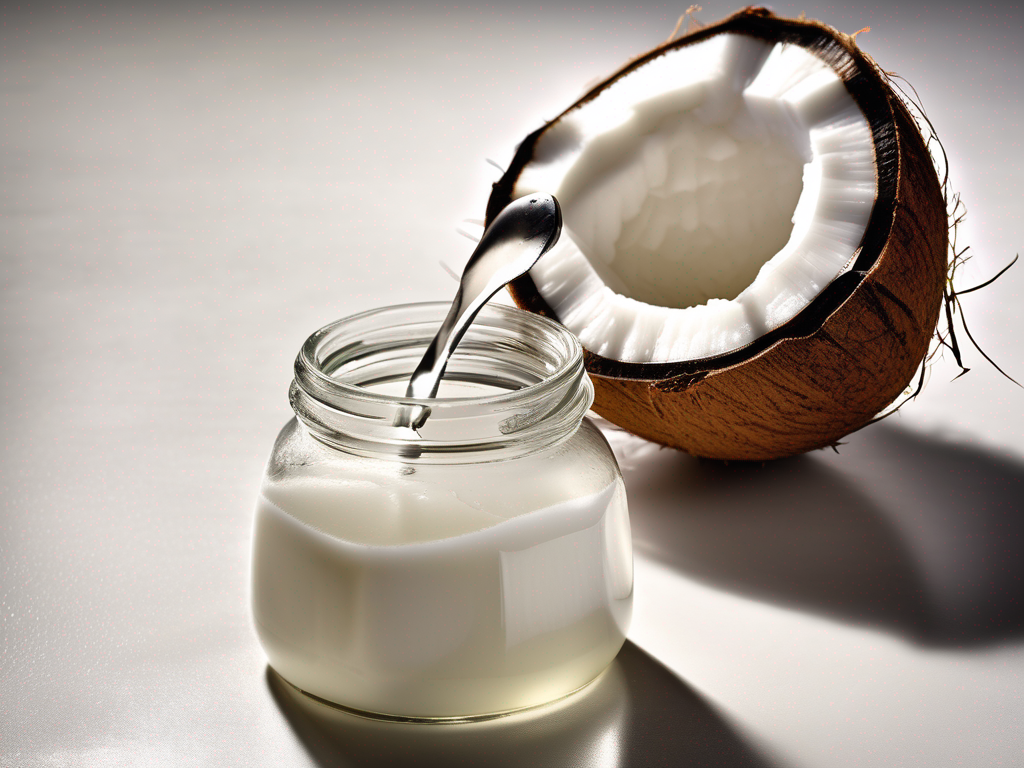
How Long Does Coconut Oil Last After the Expiration Date?
Stop Wasting €1,500+ Per Year on Food You Think is Expired
Get our 16-page guide with exact timelines for 70+ foods. Know instantly what's safe to eat—no more guessing.
The Ultimate Guide to Coconut Oil Expiration
Coconut oil is a versatile and popular ingredient used in cooking, baking, skincare, and more. Known for its numerous health benefits and long shelf life, coconut oil is a staple in many households. However, like any other food product, coconut oil can go bad over time, especially after the expiration date. In this comprehensive guide, we will explore how long coconut oil lasts after its expiration date, how to store it properly, signs of spoilage, and practical tips to ensure you are using coconut oil safely.
Understanding Coconut Oil Expiration
Coconut oil is a stable fat with a long shelf life due to its high saturated fat content. However, factors such as exposure to light, heat, and air can lead to rancidity over time. It is crucial to understand these key points about coconut oil expiration:
Factors that affect coconut oil expiration:
- Exposure to light: Light can accelerate the oxidation process of coconut oil, leading to rancidity.
- Heat: High temperatures can cause coconut oil to degrade faster.
- Air exposure: Oxygen can contribute to the breakdown of coconut oil.
Shelf Life of Coconut Oil
The shelf life of coconut oil varies based on the type of coconut oil and how it is processed. Here is a general guideline for different types of coconut oil:
Types of coconut oil and their shelf life:
- Refined coconut oil: Up to 18-24 months.
- Unrefined (virgin) coconut oil: Around 6-12 months.
- Extra virgin coconut oil: 2-3 years.
Signs of Spoiled Coconut Oil
To ensure the safety of your coconut oil, it is essential to recognize the signs of spoilage. Common indicators of rancid coconut oil include:
Signs of spoiled coconut oil:
- Unpleasant odor: A sour or off-putting smell.
- Change in color: Discoloration or cloudiness.
- Off taste: Bitter or stale taste.
Proper Storage Tips for Coconut Oil
Proper storage is crucial to extend the shelf life of coconut oil and prevent premature spoilage. Follow these practical storage tips:
Tips for storing coconut oil:
- Keep it in a cool, dark place: Away from sunlight and heat sources.
- Seal it tightly: Prevent air exposure by closing the lid securely.
- Avoid moisture: Keep away from moisture to prevent mold growth.
- Refrigeration: Optional but can further extend shelf life, especially in warm climates.
Using Expired Coconut Oil Safely
If you suspect your coconut oil has expired, it is best to dispose of it safely. Here are tips on how to handle expired coconut oil:
Tips for disposing of expired coconut oil:
- Do not consume: If spoiled, avoid using in cooking or skincare.
- Non-food purposes: Repurpose for DIY skincare or as a natural moisturizer.
- Proper disposal: Seal in a container and discard in the trash.
Conclusion
Understanding coconut oil expiration is crucial for food safety and quality. By following proper storage guidelines, checking for spoilage signs, and using expired coconut oil safely, you can maximize the benefits of this versatile ingredient. Store coconut oil in a cool, dark place, seal it tightly, and inspect before use to enjoy its benefits for longer. Stay informed and incorporate coconut oil into your daily routine for a healthy lifestyle.
For more information on coconut oil, visit [coconut oil](/food/coconut oil) for recipes and tips.
Related Posts
- Exploring Healthy Substitutes for Vegetable Oil
- Can Cooking Oil Expire?
- Does Coconut Oil Expire? A Comprehensive Guide to Coconut Oil Shelf Life
- Does Coconut Oil Expire: A Guide to Understanding Coconut Oil Shelf Life
- Exploring Vegetable Oil Substitutes
Authoritative Food Safety References
These agencies and university labs inform every tip and health precaution we publish.
USDA FoodKeeper – Cold Storage Guidelines
Official refrigerator, freezer, and pantry timelines maintained by the U.S. Department of Agriculture.
Visit USDA FoodKeeperFDA Produce Safety Rule & Grower Guidance
Field-to-fridge handling practices that prevent contamination of fruits, vegetables, and leafy greens.
Visit FDA Produce SafetyCDC Foodborne Illness Prevention Hub
Surveillance-backed guidance on pathogens, symptoms, and steps to reduce foodborne illness risk.
Visit CDC Food SafetyUC Davis Postharvest Technology Center
University research detailing optimal storage atmospheres for produce after harvest.
Visit UC Davis PostharvestPenn State Extension – Home Food Preservation & Safety
Peer-reviewed extension bulletins on safe canning, chilling, and reheating practices.
Visit Penn State ExtensionHow long does coconut oil last after the expiration date?
Can expired coconut oil make you sick?
How can I tell if my coconut oil has gone bad?
Can I still use coconut oil for cooking after the expiration date?
How should I store coconut oil to prolong its shelf life?
Stop Wasting €1,500+ Per Year on Food You Think is Expired
Get our 16-page guide with exact timelines for 70+ foods, 15 real-world scenarios, and troubleshooting tips. Know instantly what's safe to eat—no more guessing or Googling.
Scan your food directly and get instant safety info using our AI-powered camera feature.