USDAOfficial guidance
USDA FoodKeeper – Cold Storage Guidelines
Official refrigerator, freezer, and pantry timelines maintained by the U.S. Department of Agriculture.
Visit USDA FoodKeeperStorage conditions, initial freshness, and proper handling change the answer — and those details are easy to miss.
Last reviewed: January 2026
Reviewed by the Can I Eat Expired Editorial Team using official USDA, FDA, and CDC food safety guidance. How we assess food safety risk
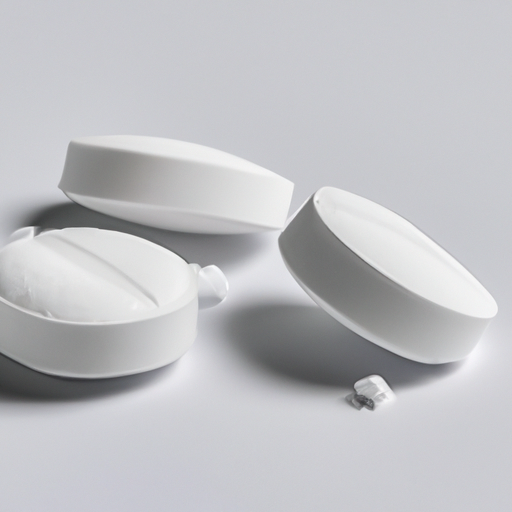
This food is often safe when handled and stored properly, but safety depends on how it's been kept and whether any spoilage signs are present.
⏱️ Safe for up to 30 days after expiry if properly stored and showing no spoilage signs.
Get a yes / no answer for your isotonic hydration tablets →
Pantry
68°F (20°C)
Store in original packaging in a cool, dry place away from direct sunlight.
730 days
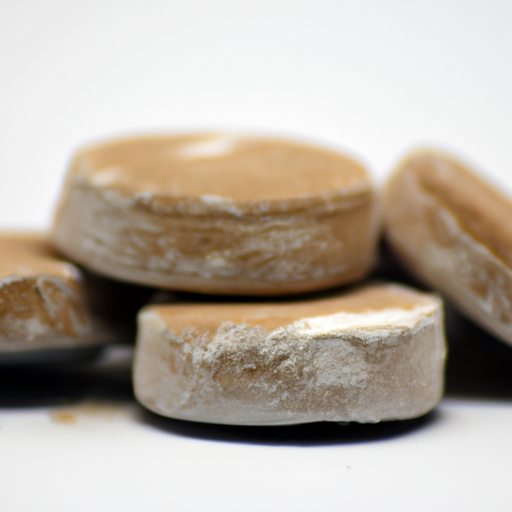
Discoloration, Strange odor, Change in texture
May be used to replenish electrolytes during intense physical activities.
Electrolyte drinks
Isotonic Hydration Tablets have an expiration date that indicates the last date they are guaranteed to be at their full potency. As the tablets age, their effectiveness may decrease, but they are not necessarily unsafe to consume after the expiration date. However, for best quality and results, it is recommended to use the tablets before the expiration date to ensure optimal hydration benefits.
To check if Isotonic Hydration Tablets have gone bad, look for any changes in color or appearance, such as discoloration or clumping. Additionally, a foul or unusual odor may indicate spoilage. Lastly, if the tablets have become mushy or have developed a sticky texture, it's best to discard them to ensure safety and effectiveness.
Isotonic Hydration Tablets are generally safe when consumed as directed. However, there is a risk of contamination if the packaging is damaged or if stored improperly. To reduce the risk of foodborne illness, always check the seals before use, store in a cool and dry place, and avoid exposing the tablets to moisture. High-risk scenarios involve consuming expired tablets or tablets that have been exposed to unsanitary conditions.
For optimal storage and maintenance of Isotonic Hydration Tablets, keep them in their original packaging in a cool, dry place away from direct sunlight. Avoid storing them in humid environments or places with extreme temperatures. It is recommended to seal the packaging tightly after each use to prevent moisture from affecting the tablets' quality. Additionally, storing them in a portable container for easy access during activities can be convenient.
Isotonic Hydration Tablets have a long history of use by athletes and individuals needing quick rehydration. In some cultures, these tablets are seen as essential for maintaining hydration levels, especially in hot climates or during intense physical activities. Fun fact: Isotonic Hydration Tablets were first developed for the medical field to treat dehydration.
Once opened, Isotonic Hydration Tablets can typically be consumed within 6-12 months if stored in a dry, cool place away from moisture and direct sunlight. Ensure the container is tightly sealed after each use to maintain product freshness.
It's generally safe to store Isotonic Hydration Tablets next to vitamins or medications as long as they are in their original sealed containers. Avoid cross-contamination by ensuring the lids are securely closed and the products are not in direct contact with each other.
Exposure to heat can shorten the shelf life of Isotonic Hydration Tablets. It's best to store them in a cool, dry place to maintain their quality and effectiveness. High temperatures can cause the tablets to degrade faster, potentially reducing their efficacy.
Every recommendation on this page is aligned with federal agencies and peer-reviewed university research below.
Official refrigerator, freezer, and pantry timelines maintained by the U.S. Department of Agriculture.
Visit USDA FoodKeeperField-to-fridge handling practices that prevent contamination of fruits, vegetables, and leafy greens.
Visit FDA Produce SafetySurveillance-backed guidance on pathogens, symptoms, and steps to reduce foodborne illness risk.
Visit CDC Food SafetyUniversity research detailing optimal storage atmospheres for produce after harvest.
Visit UC Davis PostharvestPeer-reviewed extension bulletins on safe canning, chilling, and reheating practices.
Visit Penn State ExtensionImportant: These are general guidelines based on authoritative sources listed above. Always use your best judgment and when in doubt, throw it out.