USDAOfficial guidance
USDA FoodKeeper – Cold Storage Guidelines
Official refrigerator, freezer, and pantry timelines maintained by the U.S. Department of Agriculture.
Visit USDA FoodKeeperStorage conditions, initial freshness, and proper handling change the answer — and those details are easy to miss.
Get a yes / no answer for your eggs poached →
Last reviewed: January 2026
Reviewed by the Can I Eat Expired Editorial Team using official USDA, FDA, and CDC food safety guidance. How we assess food safety risk
May be safe if properly stored and showing no spoilage signs. Check carefully before consuming.
⏱️ Safe for up to 1 day after expiry if properly stored and showing no spoilage signs.
Fridge
Between 33°F (0.6°C) and 40°F (4.4°C)
Keep covered in airtight container
2 days
Unpleasant odor, slimy texture, change in color
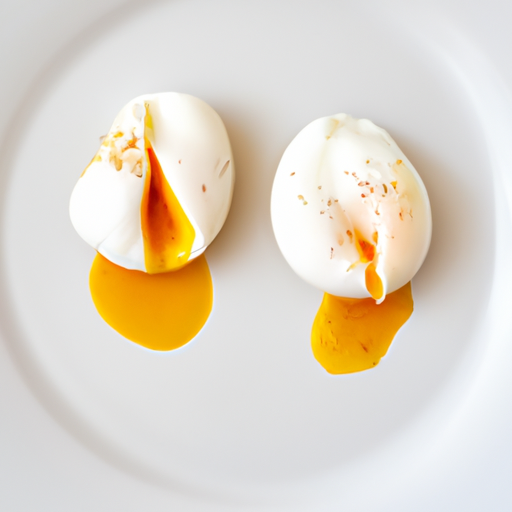
Over time, poached eggs may lose their texture and become rubbery or watery. While they may still be safe to eat within a day if refrigerated properly, the quality diminishes quickly. It's best to consume poached eggs when fresh to enjoy their optimal taste and texture.
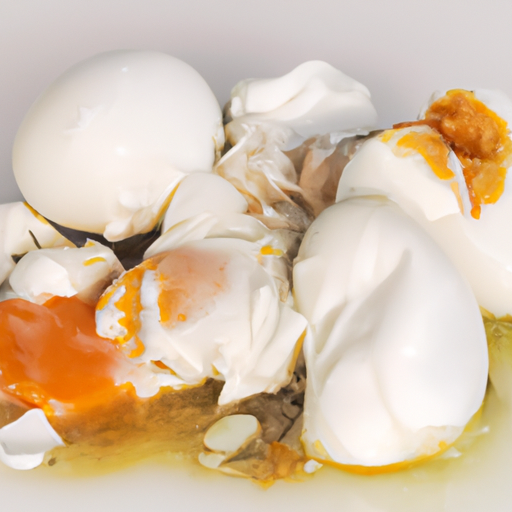
To determine if poached eggs have gone bad, look for any discoloration or off smells. Fresh poached eggs should have a vibrant color and a clean, neutral smell. Avoid eggs with slimy or rubbery textures as they may indicate spoilage.
Eggs Poached can pose risks of Salmonella contamination if not cooked properly. To reduce the risk of foodborne illness, ensure the eggs are cooked at a temperature of at least 160°F (71°C) and consumed immediately. High-risk scenarios include leaving poached eggs at room temperature for extended periods.
For optimal storage, poached eggs should be placed in an airtight container and refrigerated immediately. To reheat, place the eggs in hot water for a few seconds to warm them without overcooking. Adding a splash of vinegar to the poaching water can help the egg whites coagulate faster and result in a neater shape.
Poached eggs have a rich history dating back to ancient Rome, where they were considered a delicacy. In various cultures, poached eggs are a popular breakfast item and are often associated with elegance and sophistication. They are a staple in dishes like Eggs Benedict and Shakshuka.
If Eggs Poached has been left at room temperature for 2 hours, it's best to discard it to prevent the risk of bacterial growth that can lead to foodborne illness.
Once opened, refrigerated Eggs Poached should be consumed within 24 hours for optimal freshness and safety. Beyond this time, it's recommended to discard it.
The type of container can impact the shelf life of Eggs Poached. Airtight containers can help maintain freshness longer compared to containers that are not sealed properly. Always follow storage instructions on the packaging for best results.
Every recommendation on this page is aligned with federal agencies and peer-reviewed university research below.
Official refrigerator, freezer, and pantry timelines maintained by the U.S. Department of Agriculture.
Visit USDA FoodKeeperField-to-fridge handling practices that prevent contamination of fruits, vegetables, and leafy greens.
Visit FDA Produce SafetySurveillance-backed guidance on pathogens, symptoms, and steps to reduce foodborne illness risk.
Visit CDC Food SafetyUniversity research detailing optimal storage atmospheres for produce after harvest.
Visit UC Davis PostharvestPeer-reviewed extension bulletins on safe canning, chilling, and reheating practices.
Visit Penn State ExtensionNeed deeper reading? Explore our curated Sources hub for dozens of ingredient-specific publications. Our food safety review methodology explains how safety determinations are made.
Dairy Products
View expiration date and storage guide →
Fruits & Vegetables
View expiration date and storage guide →
Beverages
View expiration date and storage guide →
Cooking Ingredients
View expiration date and storage guide →
Beverages
View expiration date and storage guide →
Fruits & Vegetables
View expiration date and storage guide →
Dairy Products
View expiration date and storage guide →
Breakfast Foods
View expiration date and storage guide →
Dairy Products
View expiration date and storage guide →
Important: These are general guidelines based on authoritative sources listed above. Always use your best judgment and when in doubt, throw it out. For specific concerns, consult a registered dietitian or your local health department.