USDAOfficial guidance
USDA FoodKeeper – Cold Storage Guidelines
Official refrigerator, freezer, and pantry timelines maintained by the U.S. Department of Agriculture.
Visit USDA FoodKeeperStorage temperature, initial freshness, and how it has been handled change the answer — and those details are easy to miss.
Get a yes / no answer for your dried sea cucumber →
Check Your Exact Situation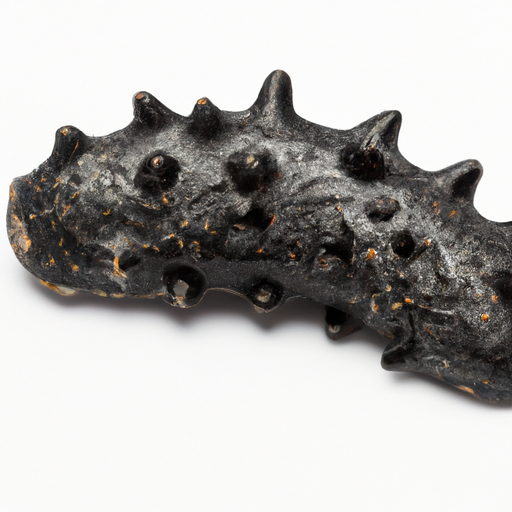
Last reviewed: January 2026
Reviewed by the Can I Eat Expired Editorial Team using official USDA, FDA, and CDC food safety guidance. How we assess food safety risk
This food is often safe when handled and stored properly, but safety depends on how it's been kept and whether any spoilage signs are present.
⏱️ Safe for up to 180 days after expiry if properly stored and showing no spoilage signs.
⚠️ Seafood spoils quickly and can cause severe food poisoning if consumed past its prime.
Cool Dark Place
60-70°F (15-21°C)
Airtight container with desiccant packet. Low humidity environment essential
Consistent cold storage is essential for food safety. A refrigerator thermometer (Amazon) helps monitor refrigerator temperature and ensures food stays at safe levels (40°F or below).
730 days
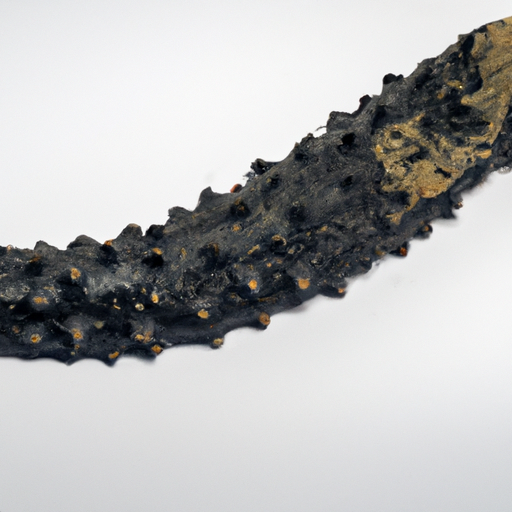
Mold growth, strong ammonia smell, soft spots, pest infestation
Proper packaging helps prevent freezer burn and contamination. Using freezer-safe storage bags (Amazon) can help preserve food quality during freezer storage.
Abalone, dried squid (for similar texture)
Unlike perishable foods, dried sea cucumbers do not have a strict expiration date. Instead, they have a 'best by' date, which indicates the period during which the product is at its peak quality in terms of taste and texture. However, if stored properly in a cool, dry place away from direct sunlight, dried sea cucumbers can last for a long time beyond the 'best by' date without posing a safety risk.
To check if dried sea cucumber has gone bad, look for any signs of mold, discoloration, or an off-putting odor. The texture should be firm and not slimy or mushy. If you notice any of these indicators, it's best to discard the sea cucumber to avoid any potential food safety risks.
Dried sea cucumbers are susceptible to bacterial contamination if not properly dried and stored. To minimize risks, it's crucial to source them from reputable suppliers and ensure they are thoroughly cooked before consumption.
To prolong the shelf life of dried sea cucumbers, store them in an airtight container in a cool, dark place. You can also vacuum-seal them for added protection against moisture and contaminants. Before use, rinse the dried sea cucumbers thoroughly in cold water to remove any excess salt or debris, then soak them in water for several hours or overnight to rehydrate before cooking.
Sea cucumbers are considered a delicacy in many Asian cuisines, particularly in Chinese, Korean, and Japanese cooking. They are valued for their unique texture and are often used in soups, stews, and stir-fries. In Chinese culture, sea cucumbers are believed to have various health benefits, including improving joint health and skin complexion.
Dried Sea Cucumber can be stored in a cool dark place for up to 2 years (730 days) before its quality starts to deteriorate. After the expiration date, it is generally safe to consume for an additional 6 months (180 days) if there are no signs of spoilage.
If Dried Sea Cucumber has been left at room temperature for several hours, it's best to discard it. Seafood, including Dried Sea Cucumber, is highly perishable and can quickly develop harmful bacteria when left at room temperature for an extended period.
The type of container can impact the shelf life of Dried Sea Cucumber. It is recommended to store Dried Sea Cucumber in airtight containers to maintain its quality and prevent moisture absorption. Proper packaging helps preserve the texture and flavor of the dried seafood.
Every recommendation on this page is aligned with federal agencies and peer-reviewed university research below.
Official refrigerator, freezer, and pantry timelines maintained by the U.S. Department of Agriculture.
Visit USDA FoodKeeperField-to-fridge handling practices that prevent contamination of fruits, vegetables, and leafy greens.
Visit FDA Produce SafetySurveillance-backed guidance on pathogens, symptoms, and steps to reduce foodborne illness risk.
Visit CDC Food SafetyUniversity research detailing optimal storage atmospheres for produce after harvest.
Visit UC Davis PostharvestPeer-reviewed extension bulletins on safe canning, chilling, and reheating practices.
Visit Penn State ExtensionImportant: These are general guidelines based on authoritative sources listed above. Always use your best judgment and when in doubt, throw it out.
Disclosure: As an Amazon Associate, we earn from qualifying purchases. This helps support our site and allows us to continue providing free food safety information.