USDAOfficial guidance
USDA FoodKeeper – Cold Storage Guidelines
Official refrigerator, freezer, and pantry timelines maintained by the U.S. Department of Agriculture.
Visit USDA FoodKeeperLast reviewed: January 2026
Reviewed by the Can I Eat Expired Editorial Team using official USDA, FDA, and CDC food safety guidance. How we assess food safety risk
Storage temperature, initial freshness, and how it has been handled change the answer — and those details are easy to miss.
Get a yes / no answer for your dried salted fish →
Check Your Exact SituationMay be safe if properly stored and showing no spoilage signs. Check carefully before consuming.
⏱️ Safe for up to 90 days after expiry if properly stored and showing no spoilage signs.
Cool Dark Place
60-70°F (15-21°C)
Wrap in paper, then plastic. Keep in airtight container with desiccant
Consistent cold storage is essential for food safety. A refrigerator thermometer (Amazon) helps monitor refrigerator temperature and ensures food stays at safe levels (40°F or below).
365 days
730 days
Rancid smell, mold growth, unusual discoloration
Proper packaging helps prevent freezer burn and contamination. Using freezer-safe storage bags (Amazon) can help preserve food quality during freezer storage.
Flavoring for soups and stews
Fish sauce, anchovy paste
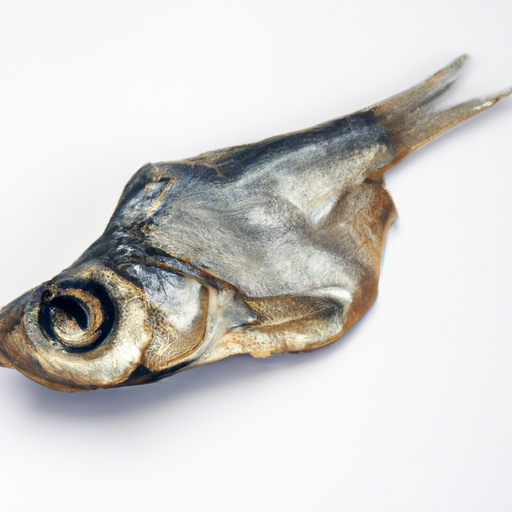
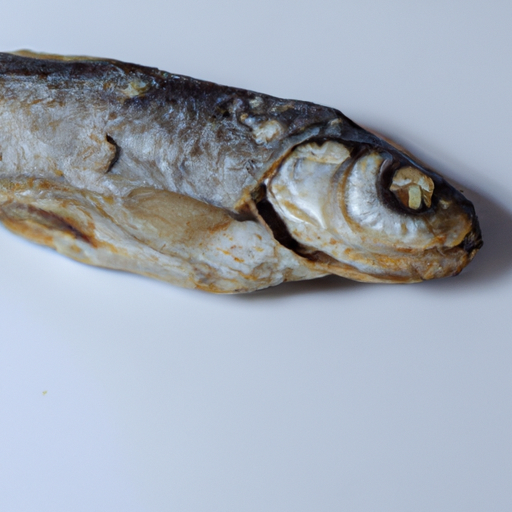
While dried salted fish does not have a strict expiration date like fresh seafood, it is best to consume it within a reasonable time frame to enjoy the best quality. Over time, the fish can become overly dry and lose its flavor. It is recommended to store dried salted fish in airtight containers or vacuum-sealed bags to maintain its quality for a longer period.
To check if dried salted fish has gone bad, look for any signs of mold, discoloration, or an off-putting odor. The texture should be firm and not overly soft or mushy. If you notice any of these signs, it's best to discard the fish to avoid any food safety risks.
Dried salted fish poses a risk of foodborne illness if not properly handled and stored. The high salt content in the fish helps to inhibit bacterial growth, but it is still important to ensure that it is stored in a cool, dry place to prevent any potential contamination. It is also essential to soak the fish in water before cooking to remove excess salt, which can make the dish too salty if not done properly.
To ensure optimal storage of dried salted fish, it is important to keep it in a cool, dry place away from direct sunlight. You can also store it in the refrigerator or freezer for extended shelf life. Before using the fish in a recipe, soak it in water for at least 1-2 hours (or overnight in the refrigerator) to rehydrate and remove excess salt. Some chefs also recommend adding a splash of vinegar or lemon juice to the soaking water to help reduce the fishy smell sometimes associated with dried salted fish.
Dried salted fish has a long history in many cultures around the world, where it is used as a staple ingredient in various dishes. In Asian cuisines, such as Chinese and Malaysian, dried salted fish is often added to fried rice or stir-fries to impart a unique umami flavor. In Caribbean cuisine, salted codfish is a popular ingredient in dishes like saltfish and ackee. The process of salting and drying fish dates back centuries and was originally used as a method of preservation before modern refrigeration techniques were available.
If Dried Salted Fish has been at room temperature for 8 hours, it's best to discard it to reduce the risk of foodborne illness. Bacteria can multiply rapidly in seafood left at room temperature, increasing the risk of contamination and spoilage.
Once opened, Dried Salted Fish should be consumed within 7 days if stored properly in an airtight container in the refrigerator. Check for any signs of spoilage before consuming, such as off smells, sliminess, or discoloration.
The type of container can impact the shelf life of Dried Salted Fish. Opt for airtight containers to prevent exposure to moisture and air, which can lead to faster spoilage. Vacuum-sealed bags are also a good option to maintain freshness.
Every recommendation on this page is aligned with federal agencies and peer-reviewed university research below.
Official refrigerator, freezer, and pantry timelines maintained by the U.S. Department of Agriculture.
Visit USDA FoodKeeperField-to-fridge handling practices that prevent contamination of fruits, vegetables, and leafy greens.
Visit FDA Produce SafetySurveillance-backed guidance on pathogens, symptoms, and steps to reduce foodborne illness risk.
Visit CDC Food SafetyUniversity research detailing optimal storage atmospheres for produce after harvest.
Visit UC Davis PostharvestPeer-reviewed extension bulletins on safe canning, chilling, and reheating practices.
Visit Penn State ExtensionStorage: Fridge
View guide →
Storage: Fridge
View guide →
Storage: Freezer
View guide →
Storage: Fridge
View guide →
Storage: Fridge
View guide →
Storage: Fridge
View guide →
Storage: Freezer
View guide →
Storage: Fridge
View guide →
Storage: Fridge
View guide →
Important: These are general guidelines based on authoritative sources listed above. Always use your best judgment and when in doubt, throw it out.
Disclosure: As an Amazon Associate, we earn from qualifying purchases. This helps support our site and allows us to continue providing free food safety information.