USDAOfficial guidance
USDA FoodKeeper – Cold Storage Guidelines
Official refrigerator, freezer, and pantry timelines maintained by the U.S. Department of Agriculture.
Visit USDA FoodKeeperStorage conditions, initial freshness, and proper handling change the answer — and those details are easy to miss.
Get a yes / no answer for your chinese food pork chop suey or takeout →
Check Your Exact Situation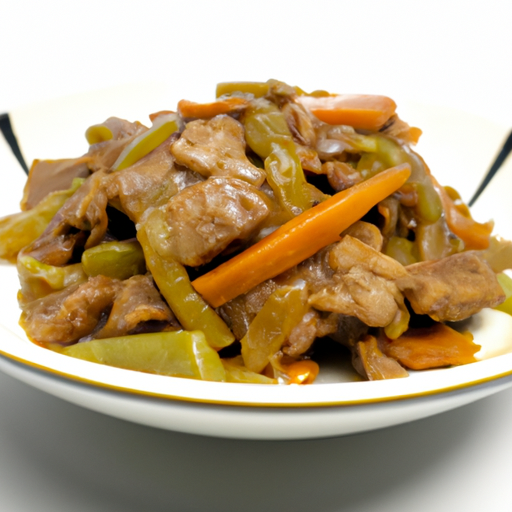
Last reviewed: January 2026
Reviewed by the Can I Eat Expired Editorial Team using official USDA, FDA, and CDC food safety guidance. How we assess food safety risk
Discard it after the expiration date.
Fridge
36-40°F (2-4°C)
Keep in airtight container to maintain freshness
3 days
Unpleasant odor, slimy texture, mold growth
The expiration date on Chinese Food Pork Chop Suey homemade or takeout typically refers to the point after which the dish may no longer be safe to consume due to potential bacterial growth. On the other hand, the best quality of the dish refers to the time until which the flavors, textures, and overall quality of the food are optimal. While the dish may still be safe to eat after the expiration date, the quality may deteriorate, affecting the taste and enjoyment of the meal.
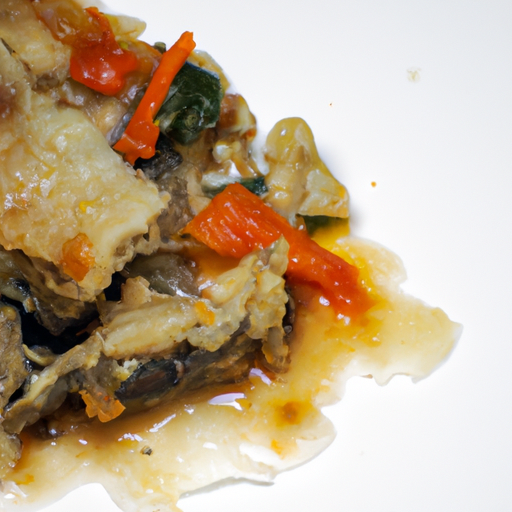
To determine if Chinese food pork chop suey, whether homemade or takeout, has gone bad, look for signs of mold, discoloration, or an off smell. If the dish appears slimy or has a strange odor, it is best to discard it to avoid potential foodborne illness. Additionally, check for any changes in texture, such as a mushy or slimy consistency, as these can also indicate spoilage.
When it comes to Chinese Food Pork Chop Suey, there are certain food safety considerations to keep in mind. Due to the presence of various ingredients like meats, vegetables, and sauces, there is a risk of bacterial contamination if the dish is not stored or handled properly. It is crucial to ensure that the food is cooked to the appropriate internal temperature to kill any harmful bacteria. Additionally, if the dish has been left at room temperature for more than 2 hours, it should be discarded to prevent the growth of bacteria that can cause foodborne illnesses.
To optimize the storage of Chinese Food Pork Chop Suey, it is recommended to refrigerate the dish promptly after serving to prevent bacterial growth. Store the leftovers in an airtight container to maintain freshness and prevent odors from permeating the dish. When reheating the dish, ensure it reaches an internal temperature of 165°F (74°C) to kill any bacteria that may have developed during storage. It is best to consume the leftovers within 3-4 days for the best quality and taste.
Pork Chop Suey is a popular Chinese-American dish that has its roots in Cantonese cuisine. It is a stir-fried dish that typically includes pork, mixed vegetables, and a savory sauce. Interestingly, Chop Suey was created in the United States by Chinese immigrants adapting their traditional cooking techniques to local ingredients and tastes. The dish gained popularity in the early 20th century and has since become a staple in Chinese-American cuisine.
Chinese Food Pork Chop Suey Homemade or Takeout is considered safe if left at room temperature for a maximum of 2 hours. Beyond that, harmful bacteria may multiply, increasing the risk of foodborne illness. If in doubt, it's best to discard it.
Once opened, Chinese Food Pork Chop Suey Homemade or Takeout should be consumed within 2 hours if left at room temperature. If refrigerated promptly, it can be safely consumed within 3 days.
The type of container can impact the shelf life of Chinese Food Pork Chop Suey Homemade or Takeout. Airtight containers or containers specifically designed for food storage can help maintain freshness longer than loosely covered containers or packaging.
Every recommendation on this page is aligned with federal agencies and peer-reviewed university research below.
Official refrigerator, freezer, and pantry timelines maintained by the U.S. Department of Agriculture.
Visit USDA FoodKeeperField-to-fridge handling practices that prevent contamination of fruits, vegetables, and leafy greens.
Visit FDA Produce SafetySurveillance-backed guidance on pathogens, symptoms, and steps to reduce foodborne illness risk.
Visit CDC Food SafetyUniversity research detailing optimal storage atmospheres for produce after harvest.
Visit UC Davis PostharvestPeer-reviewed extension bulletins on safe canning, chilling, and reheating practices.
Visit Penn State ExtensionImportant: These are general guidelines based on authoritative sources listed above. Always use your best judgment and when in doubt, throw it out.