USDAOfficial guidance
USDA FoodKeeper – Cold Storage Guidelines
Official refrigerator, freezer, and pantry timelines maintained by the U.S. Department of Agriculture.
Visit USDA FoodKeeperLast reviewed: January 2026
Reviewed by the Can I Eat Expired Editorial Team using official USDA, FDA, and CDC food safety guidance. How we assess food safety risk
Discard it after the expiration date.
Storage conditions, initial freshness, and proper handling change the answer — and those details are easy to miss.
Get a yes / no answer for your chinese food beef with broccoli or takeout →
Check Your Exact Situation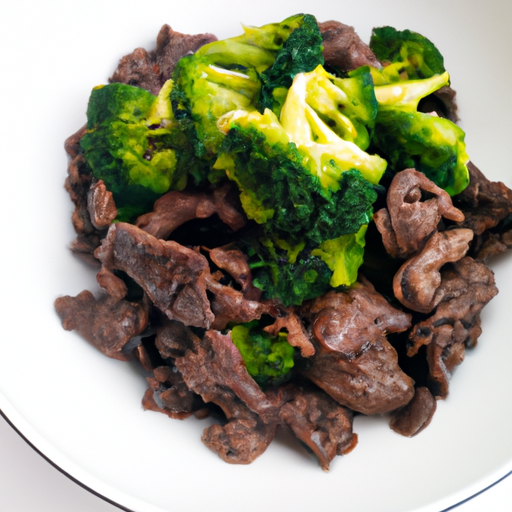
Fridge
32°F (0°C)
Keep tightly covered in original container
4 days
Visible mold, off smell, slimy texture
The expiration date on Beef with Broccoli indicates the date by which the dish should be consumed to guarantee food safety. After this date, there is an increased risk of spoilage or bacterial growth. On the other hand, best quality refers to the peak flavor and texture of the dish. Consuming Beef with Broccoli before the expiration date ensures optimal taste and quality, while consuming it after may result in a decline in taste and texture.
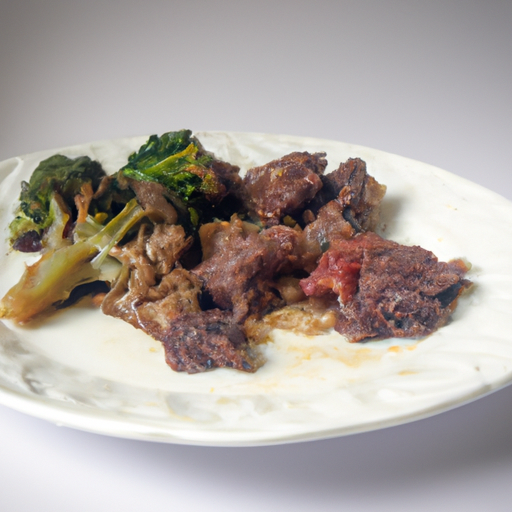
To determine if Chinese Food Beef with Broccoli has gone bad, check for any signs of mold, unusual discoloration, or a sour odor. Additionally, if the beef appears slimy or has a slippery texture, it is best to discard it to avoid foodborne illness.
When it comes to Beef with Broccoli, whether homemade or takeout, there are several food safety risks to consider. Contamination can occur during preparation, cooking, or storage, leading to potential risks of foodborne illnesses such as E. coli or Salmonella. It is crucial to ensure that the beef is cooked to the proper internal temperature to kill any harmful bacteria. Additionally, broccoli should be fresh and thoroughly washed to remove any dirt or pesticides.
To prolong the shelf life and maintain the quality of Beef with Broccoli, it is recommended to store it in an airtight container in the refrigerator. Homemade Beef with Broccoli can be stored for up to 3-4 days, while takeout should be consumed within 2-3 days for the best quality. To reheat, it is best to use a skillet or wok to maintain the texture of the beef and broccoli. Adding a splash of water or broth while reheating can help prevent the dish from drying out.
Beef with Broccoli is a popular dish in Chinese cuisine that has gained popularity worldwide. It is a harmonious combination of tender beef slices, crisp broccoli florets, and a savory brown sauce. In Chinese culture, the balance of ingredients and flavors in this dish represents harmony and unity. Beef with Broccoli is often served during Chinese New Year celebrations as a symbol of prosperity and good fortune.
If Chinese Food Beef with Broccoli Homemade or Takeout has been left at room temperature for 2 hours, it's best to discard it. Bacteria can multiply rapidly at room temperature, increasing the risk of foodborne illness.
Once opened, Chinese Food Beef with Broccoli Homemade or Takeout should be consumed within 2 days if stored in the refrigerator. Discard any leftovers beyond this timeframe to prevent food poisoning.
Yes, the type of container can impact the shelf life of Chinese Food Beef with Broccoli Homemade or Takeout. Airtight containers are best for maintaining freshness and preventing bacterial contamination. Avoid storing in containers with cracks or damaged seals.
Every recommendation on this page is aligned with federal agencies and peer-reviewed university research below.
Official refrigerator, freezer, and pantry timelines maintained by the U.S. Department of Agriculture.
Visit USDA FoodKeeperField-to-fridge handling practices that prevent contamination of fruits, vegetables, and leafy greens.
Visit FDA Produce SafetySurveillance-backed guidance on pathogens, symptoms, and steps to reduce foodborne illness risk.
Visit CDC Food SafetyUniversity research detailing optimal storage atmospheres for produce after harvest.
Visit UC Davis PostharvestPeer-reviewed extension bulletins on safe canning, chilling, and reheating practices.
Visit Penn State ExtensionImportant: These are general guidelines based on authoritative sources listed above. Always use your best judgment and when in doubt, throw it out.