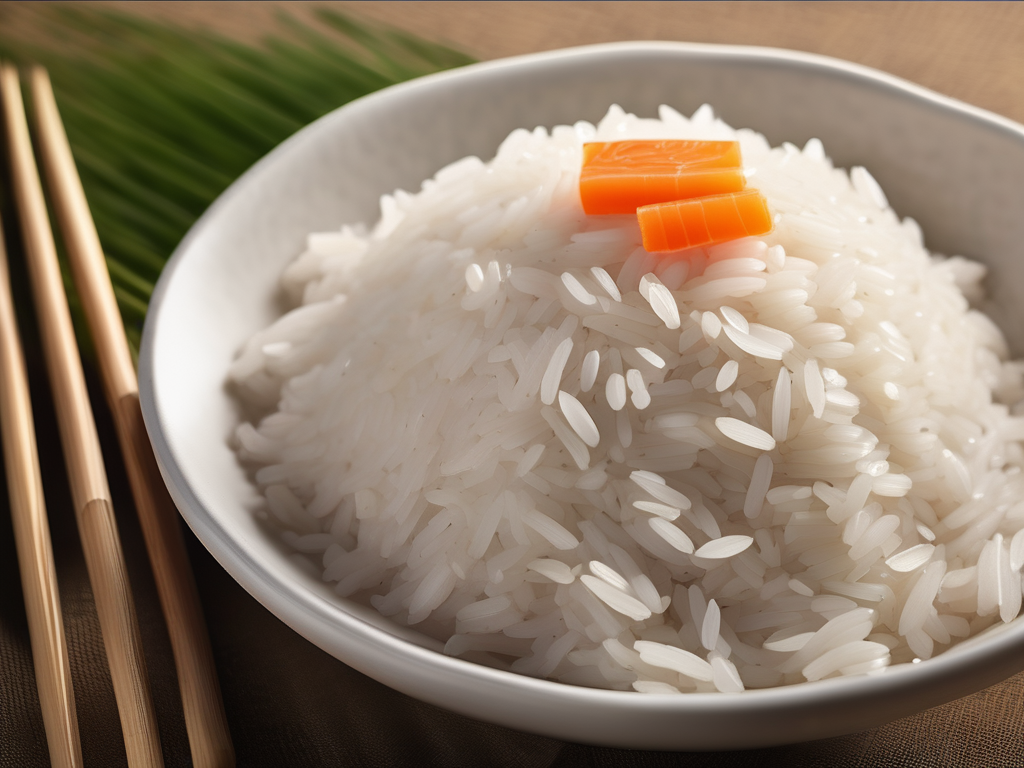
Does Rice Expire: Understanding Rice Shelf Life and Storage Tips
Does Rice Expire: Understanding Rice Shelf Life and Storage Tips
The Ultimate Guide to Rice and Rice Products: Shelf Life, Storage Tips, and Substitutes
Rice is a staple food for a large portion of the world's population, known for its versatility, affordability, and long shelf life when stored properly. In this comprehensive guide, we will delve into the topic of rice expiration, including how to determine if rice has gone bad, provide essential storage tips, explore substitutes for rice vinegar, and discuss alternatives to Chinese rice wine. Whether you are a cooking enthusiast or simply want to ensure the safety and quality of your pantry staples, this guide will equip you with the knowledge needed to make informed decisions about rice and rice products.
Does Rice Expire: Understanding Rice Shelf Life and Storage Tips
Rice, whether white, brown, or wild, is a grain that can last a long time if stored properly. The shelf life of rice varies depending on the type of rice and how it is stored. Here are some general guidelines:
Shelf Life of Different Rice Varieties:
- White Rice: Can last up to 4-5 years when stored in a cool, dry place.
- Brown Rice: Has a shorter shelf life of around 6-12 months due to its higher oil content.
- Wild Rice: Can last up to 1-2 years when stored properly.
Factors Affecting Rice Shelf Life:
- Storage Conditions: Proper storage is key to extending the shelf life of rice.
- Packaging: Sealed packaging helps protect rice from moisture and pests.
- Temperature: Store rice in a cool, dry place away from heat sources.
- Humidity: Keep rice away from high humidity to prevent mold growth.
Proper Rice Storage Tips:
- Use Airtight Containers: Transfer rice to airtight containers or resealable bags to keep out moisture and pests.
- Cool, Dry Place: Store rice in a cool, dry pantry away from sunlight and heat sources.
- Avoid Humidity: Keep rice away from areas with high humidity, such as near the stove or dishwasher.
- Check for Pests: Regularly inspect rice for signs of pest infestation and discard if necessary.
- Rotate Stock: Use older rice first and rotate your stock to ensure freshness.
common situation
-
The Busy Parent: Common situations include parent who buys in bulk to save money but forgets to check the storage conditions. After a few months, they pull out a bag of brown rice that’s been sitting in a humid cupboard. They cook it only to discover a rancid smell. If only they had stored it properly in an airtight container, they would have avoided disappointment at dinner time!
💡Proper cooking temperatures are essential for food safety. An instant-read food thermometer (Amazon) helps ensure meat reaches safe internal temperatures and reduces the risk of foodborne illness.
-
The College Student: A college student excitedly purchases a few types of rice for easy meals but leaves the bags in their dorm room cupboard, which is notorious for temperature fluctuations and humidity. When they finally decide to cook the rice three months later, they find bugs crawling in the bag. Learning about proper storage would have saved them not only their meal but also the expense of a new bag!
-
The Meal Planner: A meal planner meticulously organizes their pantry and labels everything. They’ve got white rice stored in an airtight container, but forget that brown rice has a shorter shelf life. When they go to prepare a stir-fry a few months later, they find that the brown rice has gone bad. A simple reminder about checking expiration dates could have saved them from wasting food.
Exploring Substitutes for Rice Vinegar
Rice vinegar is a popular ingredient in Asian cuisine, known for its mild flavor and versatility in various dishes. However, if you run out of rice vinegar or need a suitable substitute, there are several alternatives you can use in your cooking. Here are some of the best substitutes for rice vinegar and how to use them effectively:
Refrigerator temperature fluctuations can accelerate spoilage and increase food safety risks. A refrigerator thermometer (Amazon) helps monitor consistent cold storage (40°F or below).
Top Substitutes for Rice Vinegar:
-
Apple Cider Vinegar
- Flavor Profile: Fruity and slightly tangy
- How to Use: Use as a 1:1 substitute for rice vinegar in salad dressings, marinades, and pickles.
- Safety Tip: Opt for raw, unfiltered apple cider vinegar for the best flavor and nutritional quality.
-
White Wine Vinegar
- Flavor Profile: Mild and slightly acidic
- How to Use: Replace rice vinegar in recipes that require a subtle vinegar flavor, such as dressings and sauces.
- Safety Tip: Choose a high-quality white wine vinegar for optimal results.
-
Lemon or Lime Juice
- Flavor Profile: Citrusy and tangy
- How to Use: Substitute for rice vinegar in recipes that can benefit from a fresh, citrusy flavor, such as seafood dishes and salads.
- Safety Tip: Adjust the amount of juice based on your taste preferences to avoid overpowering the dish.
-
Balsamic Vinegar
- Flavor Profile: Sweet and tangy
- How to Use: Works well in dishes where a rich, sweet note is desired, such as glazes and marinades.
- Safety Tip: Use a small amount to prevent the dish from becoming too sweet.
-
Sherry Vinegar
- Flavor Profile: Nutty and slightly sweet
- How to Use: Substitute for rice vinegar in recipes that call for a complex, nuanced flavor, such as vinaigrettes and sauces.
- Safety Tip: Look for aged sherry vinegar for a more pronounced flavor profile.
Practical Tips for Using Substitutes for Rice Vinegar:
- Taste as You Go: Always taste your dish while cooking and adjust the flavor balance as needed; you might find a little extra acidity can make a big difference.
- Adjust the Quantity: Depending on the substitute, you may need to modify the amount to achieve the desired level of acidity and flavor. For instance, if using lemon juice, you may want to start with less and gradually add more.
- Experiment with Combinations: Mixing different vinegars or citrus juices can lead to a unique flavor profile that enhances your dish even further.
Exploring Alternatives to Chinese Rice Wine
Chinese rice wine, also known as mijiu, is a popular ingredient in many Asian dishes due to its unique flavor profile and ability to enhance the taste of various ingredients. However, if you need a substitute for Chinese rice wine, there are several alternatives that can provide a similar depth of flavor and complexity to your dishes. Here are some of the best rice wine substitutes for cooking:
Best Rice Wine Substitutes:
-
Mirin
- Flavor Profile: Sweet rice wine with a slightly lower alcohol content.
- Usage: Add sweetness and depth of flavor to dishes like teriyaki and glazes.
- Ratio: Substitute in a 1:1 ratio for Chinese rice wine.
-
Dry Sherry
- Flavor Profile: Nutty and slightly sweet
- Usage: Suitable for stir-fries, sauces, and braised dishes.
- Ratio: Substitute in a 1:1 ratio for Chinese rice wine.
-
White Wine
- Flavor Profile: Light and acidic
- Usage: Complements a wide range of ingredients in cooking.
- Ratio: Use as a 1:1 substitute for Chinese rice wine.
-
Apple Cider Vinegar
- Flavor Profile: Tangy and fruity
- Usage: Ideal for pickling, vinaigrettes, and marinades.
- Ratio: Combine with a pinch of sugar to replace Chinese rice wine, which balances the acidity and sweetness.
-
Rice Vinegar
- Flavor Profile: Slightly stronger taste than rice vinegar
- Usage: Commonly used in Asian dishes, sushi rice, and marinades.
- Ratio: Substitute in a 1:1 ratio for Chinese rice wine.
Common Mistakes When Using Substitutes:
- Ignoring Flavor Profiles: Many people mistakenly think that any vinegar can substitute for another without considering how its flavor will alter the dish. For example, using balsamic vinegar in a light seafood dish could overpower the delicate flavors.
- Overestimating Acidity Levels: Some substitutes like apple cider vinegar can be more acidic than rice vinegar. It's crucial to adjust the amount to prevent the dish from becoming too sour.
- Forgetting to Taste: A common oversight is not tasting the dish as you add substitutes. Adjusting the balance of flavors is essential and can make a significant difference in the final result.
Expert Insights on Cooking with Rice Wine and Vinegar:
Food safety experts recommend not only understanding the substitutes available but also being mindful of how they interact with other ingredients. For instance, when cooking with wine or vinegar, the alcohol or acidity can enhance the flavors of meats and vegetables, allowing for deeper penetration of flavors. Furthermore, using high-quality substitutes can elevate a dish to new heights, making it taste gourmet even if you're on a budget.
The Ultimate Guide to Rice Expiration: Understanding Shelf Life and Safety
Rice is a staple food with a long shelf life when stored properly. Here are some essential tips to ensure the freshness and safety of your rice products:
Proper Storage Tips:
- Use Airtight Containers: Transfer rice to airtight containers to keep out moisture and pests.
- Cool, Dry Place: Store rice in a cool, dry pantry away from heat sources.
- Avoid Humidity: Keep rice away from high humidity to prevent mold growth.
- Check for Signs of Spoilage: Discard rice if it has an off smell, visible mold, or signs of pest infestation.
How to Tell if Rice Has Gone Bad:
- Off Smell: Musty or sour odor indicates that the rice is no longer safe to consume.
- Visible Mold: If you observe mold growth, it's best to discard the rice immediately.
- Pest Infestation: If you see bugs or larvae, dispose of the rice to prevent contamination of other pantry items.
Important Safety Warnings:
- Avoid Eating Expired Rice: While some rice can remain safe to eat beyond its expiration date, it's important to rely on your senses. If it looks or smells off, trust your instincts and discard it.
- Cook Thoroughly: When preparing rice, ensure it is cooked thoroughly before consumption. Undercooked rice can pose health risks, especially if it has been stored improperly.
Nutritional Insights:
Rice is not only a versatile ingredient but also a source of carbohydrates, providing energy for daily activities. White rice is enriched with vitamins like folic acid, while brown rice retains its bran layer, offering fiber and essential nutrients like magnesium and phosphorus. Including a variety of rice in your diet can contribute to a balanced meal plan.
Conclusion
In conclusion, rice and rice products are versatile ingredients that can enhance a wide range of dishes. By understanding their shelf life, storage tips, and substitutes, you can make informed choices in your cooking and ensure the safety and quality of your meals. Whether you are exploring new flavors or simply maintaining the freshness of your pantry staples, this guide provides the knowledge needed to make the most of rice and rice products in your culinary adventures.
For more information on rice and other essential food items, visit our rice page. Happy cooking!
Authoritative Food Safety References
These agencies and university labs inform every tip and health precaution we publish.
USDA FoodKeeper – Cold Storage Guidelines
Official refrigerator, freezer, and pantry timelines maintained by the U.S. Department of Agriculture.
Visit USDA FoodKeeperFDA Produce Safety Rule & Grower Guidance
Field-to-fridge handling practices that prevent contamination of fruits, vegetables, and leafy greens.
Visit FDA Produce SafetyCDC Foodborne Illness Prevention Hub
Surveillance-backed guidance on pathogens, symptoms, and steps to reduce foodborne illness risk.
Visit CDC Food SafetyUC Davis Postharvest Technology Center
University research detailing optimal storage atmospheres for produce after harvest.
Visit UC Davis PostharvestPenn State Extension – Home Food Preservation & Safety
Peer-reviewed extension bulletins on safe canning, chilling, and reheating practices.
Visit Penn State ExtensionDisclosure: As an Amazon Associate, we earn from qualifying purchases. This helps support our site and allows us to continue providing free food safety information.