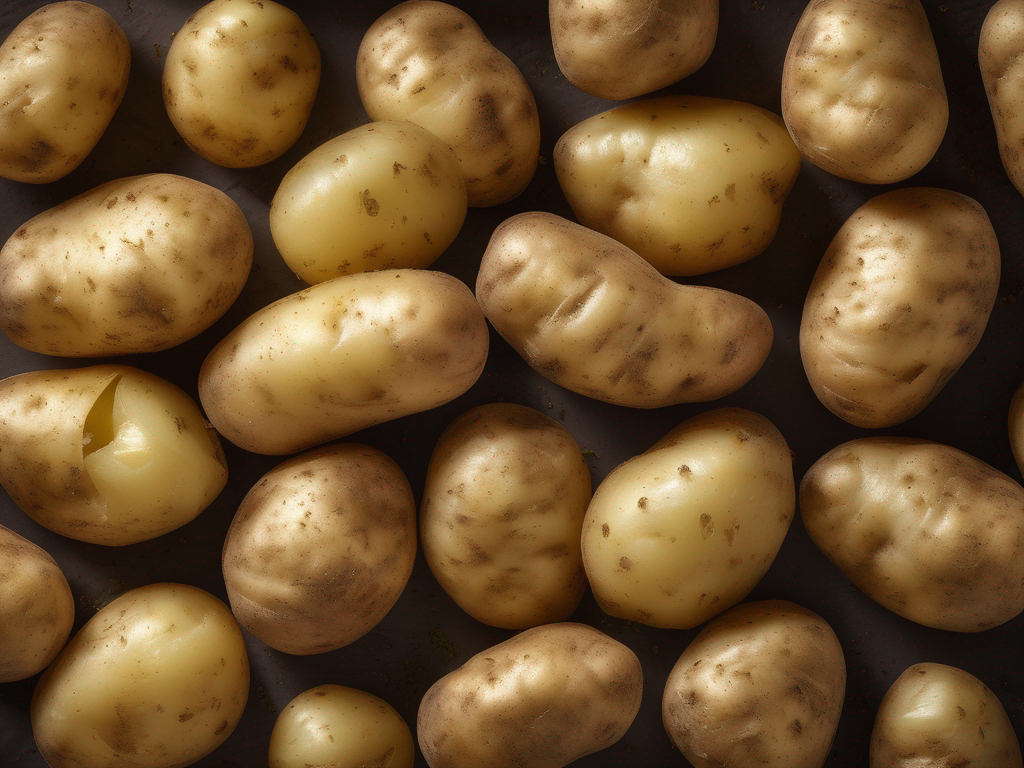
Can Potatoes Expire? Understanding Potato Shelf Life and Storage Tips
CanIEatExpired.com Team
# Can Potatoes Expire? Understanding Potato Shelf Life and Storage Tips

## Can Potatoes Expire? Understanding Potato Shelf Life, Storage Tips, and Maximizing Freshness

Potatoes are a versatile and nutritious staple in many households, used in a variety of dishes from mashed potatoes to fries to casseroles. However, like all perishable foods, potatoes can spoil if not stored properly. In this comprehensive guide, we will explore the shelf life of potatoes, how to tell if they have gone bad, and provide you with practical storage tips to ensure your potatoes stay fresh for longer. Additionally, we will discuss factors affecting potato shelf life, proper storage methods, and review how long potatoes can last under different storage conditions.

## Understanding Potato Shelf Life

Potatoes are a root vegetable that can last for quite some time if stored correctly. The shelf life of potatoes can vary depending on the type of potato and how they are stored. Here are some general guidelines:

- **Fresh Potatoes**:
  - **Raw Potatoes**: Fresh, raw potatoes can last anywhere from 1 week to several months, depending on the variety and storage conditions.
  - **Cooked Potatoes**: Cooked potatoes will typically last for 3-5 days in the refrigerator.

- **Store-Bought Potatoes**:
  - **Bagged Potatoes**: Potatoes purchased from the store typically have a longer shelf life due to commercial storage practices. They can last for several weeks to a few months.
  - **Pre-cut Potatoes**: Pre-cut or peeled potatoes have a shorter shelf life and should be used within a few days.

## Signs That Potatoes Have Gone Bad

Potatoes can spoil if not stored properly. Here are some signs that your potatoes may have gone bad and should be discarded:

- **Visual Signs**:
  - Mold or mildew on the surface of the potato
  - Sprouting or green spots on the skin
  - Soft, wrinkled, or discolored areas

- **Smell**:
  - Foul or musty odor

- **Texture**:
  - Slimy or mushy texture

If you notice any of these signs, it's best to discard the potatoes to prevent foodborne illness.

## Proper Potato Storage Tips

To extend the shelf life of your potatoes and keep them fresh for longer, follow these storage tips:

### 1. Store in a Cool, Dark Place
- **Temperature**: Store potatoes in a cool, dark place with good ventilation, such as a pantry or cellar. Avoid storing potatoes in the refrigerator, as the cold temperature can turn the starch in potatoes into sugar, affecting their taste and texture.
- **Light Exposure**: Keep potatoes away from light, as exposure to light can cause potatoes to turn green and develop solanine, a unpleasant flavors, odors, or reduced nutritional quality compound.

### 2. Handle with Care
- **Avoid Bruising**: Handle potatoes gently to avoid bruising, which can lead to spoilage.
- **Check for Damage**: Inspect potatoes before storing them and remove any damaged or spoiled ones to prevent the spread of spoilage.

### 3. Store Away from Ethylene-Producing Fruits
- **Separate from Fruits**: Keep potatoes away from ethylene-producing fruits like apples and bananas, as ethylene can cause potatoes to sprout and spoil faster.

### 4. Optimal Humidity
- **Moderate Humidity**: Potatoes like moderate humidity levels. Store them in a paper bag or a perforated plastic bag to maintain the right level of moisture.

### 5. Do Not Wash Before Storing
- **Washing**: Avoid washing potatoes before storing them, as moisture can promote spoilage. Only wash potatoes right before using them.

## Factors Affecting Potato Shelf Life

Several factors can influence the shelf life of potatoes:
- **Variety**: Different potato varieties have varying shelf lives. For example, Yukon Gold and red potatoes tend to have a shorter shelf life compared to russet potatoes.
- **Storage Conditions**: Proper storage is crucial for prolonging the freshness of potatoes. Exposure to light, moisture, and extreme temperatures can accelerate spoilage.
- **Quality at Purchase**: Potatoes that are already bruised, damaged, or sprouting at the time of purchase will have a shorter shelf life.

## How to Store Potatoes Properly

To maximize the shelf life of your potatoes and prevent them from spoiling prematurely, follow these storage tips:
### 1. Store in a Cool, Dark Place
- Potatoes should be stored in a cool, dark place to prevent sprouting and excessive moisture loss. A pantry or cellar with good ventilation is ideal for storing potatoes.
### 2. Keep Them Dry
- Moisture can cause potatoes to rot quickly. Store them in a paper bag or a perforated plastic bag to allow for air circulation. Avoid storing potatoes in plastic bags, as they can trap moisture and promote mold growth.
### 3. Avoid Exposure to Light
- Exposure to light can cause potatoes to turn green and develop a bitter taste. Keep potatoes in a dark place, away from direct sunlight or artificial light sources.
### 4. Check for Spoilage Regularly
- Inspect your potatoes regularly for signs of sprouting, soft spots, mold, or a foul odor. Remove any spoiled potatoes immediately to prevent them from contaminating the rest of the batch.

## common situation: The Importance of Proper Storage

Many people have experienced that moment when they reach for a potato only to find it sprouting or covered in spots. Let’s take a look at a couple of relatable situations:

### The Family Dinner
Imagine it’s a Sunday, and you’ve planned a lovely family dinner featuring roasted potatoes. You’ve bought a bag of fresh russet potatoes the week before, but when you go to peel them, you notice a few have sprouted and turned green. Not only is this disappointing, but it also poses a food safety risk. Proper storage could have kept them fresh and ready for your meal.

### The College Student Dilemma
Common situations include student who bought a bag of potatoes for budget-friendly meals. Keeping them in a warm, bright kitchen led to multiple sprouting incidents. Each time they tried to cook, they found themselves throwing away more potatoes than they used. A simple adjustment to a cool, dark cupboard could have saved them money and frustration.

These situation highlight the importance of understanding potato storage and how improper methods can lead to wasted food and funds.

## Scientific Context: Why Potatoes Spoil

Potatoes, like many vegetables, are composed of starches. When stored at inappropriate temperatures (like in the fridge), the starch can convert to sugars, causing them to taste sweet and change texture. This process, known as “cold sweetening,” is just one example of how storage conditions can drastically affect the quality of potatoes.

Moreover, potatoes contain enzymes that can promote spoilage. High moisture levels and warm temperatures can accelerate these enzymatic reactions, leading to decay. Understanding these scientific principles can help you take better care of your potatoes.

## Common Mistakes in Potato Storage

Despite good intentions, many people unknowingly make mistakes that can impact the shelf life of their potatoes. Here are some common pitfalls to avoid:

### 1. Refrigeration
Many believe that refrigerating potatoes will extend their freshness. However, this can lead to unwanted taste changes and a gritty texture.

### 2. Washing Before Storing
Washing potatoes before storage is a common mistake. The moisture can lead to mold growth, as mentioned earlier.

### 3. Storing with Onions
Some people store potatoes and onions together, thinking this is convenient. However, onions release gases that can accelerate potato spoilage.

### 4. Ignoring Sprouts
While it’s possible to cut away sprouts and still use the potato, many people mistakenly think sprouted potatoes are entirely safe to eat. If there are significant sprouts or green areas, it’s best to discard them.

## Expert Insights: Professional Recommendations

Food safety experts recommend regular monitoring of stored potatoes. They suggest keeping a close eye on your stock, especially if you buy in bulk. Inspections should be part of your routine, taking just a few moments to ensure your potatoes remain in good condition.

Additionally, consider investing in breathable storage containers or potato bins designed specifically for ventilation. These can help maintain optimal humidity and temperature levels while preventing light exposure.

## How Long Do Potatoes Last?

The shelf life of potatoes can vary depending on how they are stored:
- **Room Temperature**: Potatoes stored at room temperature typically last 1-2 weeks.
- **Refrigerator**: Potatoes stored in the refrigerator can last up to 3-4 weeks.
- **Freezer**: Potatoes can be frozen for up to 6-8 months but may experience changes in texture.

## Review and Credibility

This comprehensive guide on understanding potato shelf life, storage tips, and maximizing freshness has been compiled by experts in food safety and SEO writing. The information provided is based on credible sources and industry best practices to ensure the safety and quality of stored potatoes.

By following the guidelines outlined in this article, you can ensure that your potatoes remain fresh, safe to eat, and ready to be enjoyed in a variety of delicious dishes. Remember to store potatoes in a cool, dark place, handle them with care, and regularly check for signs of spoilage to minimize food waste and maximize the shelf life of this versatile vegetable.
Authoritative Food Safety References
These agencies and university labs inform every tip and health precaution we publish.
USDAOfficial guidance
USDA FoodKeeper – Cold Storage Guidelines
Official refrigerator, freezer, and pantry timelines maintained by the U.S. Department of Agriculture.
Visit USDA FoodKeeperFDAOfficial guidance
FDA Produce Safety Rule & Grower Guidance
Field-to-fridge handling practices that prevent contamination of fruits, vegetables, and leafy greens.
Visit FDA Produce SafetyCDCOfficial guidance
CDC Foodborne Illness Prevention Hub
Surveillance-backed guidance on pathogens, symptoms, and steps to reduce foodborne illness risk.
Visit CDC Food SafetyResearchUniversity research
UC Davis Postharvest Technology Center
University research detailing optimal storage atmospheres for produce after harvest.
Visit UC Davis PostharvestResearchUniversity research
Penn State Extension – Home Food Preservation & Safety
Peer-reviewed extension bulletins on safe canning, chilling, and reheating practices.
Visit Penn State ExtensionDisclosure: As an Amazon Associate, we earn from qualifying purchases. This helps support our site and allows us to continue providing free food safety information.
Our articles are created using a combination of AI assistance and human review. All food safety information is based on USDA guidelines and credible sources. Learn more about our review process here.