USDAOfficial guidance
USDA FoodKeeper – Cold Storage Guidelines
Official refrigerator, freezer, and pantry timelines maintained by the U.S. Department of Agriculture.
Visit USDA FoodKeeperLast reviewed: January 2026
Reviewed by the Can I Eat Expired Editorial Team using official USDA, FDA, and CDC food safety guidance. How we assess food safety risk
This food is often safe when handled and stored properly, but safety depends on how it's been kept and whether any spoilage signs are present.
⏱️ Safe for up to 30 days after expiry if properly stored and showing no spoilage signs.
Storage conditions, initial freshness, and proper handling change the answer — and those details are easy to miss.
Get a yes / no answer for your sunflower seeds →
Check Your Exact Situation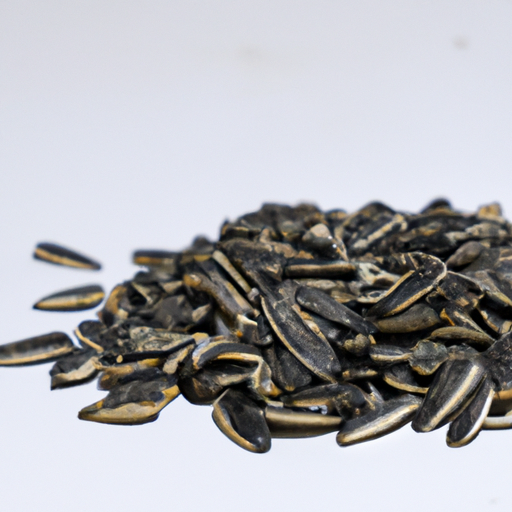
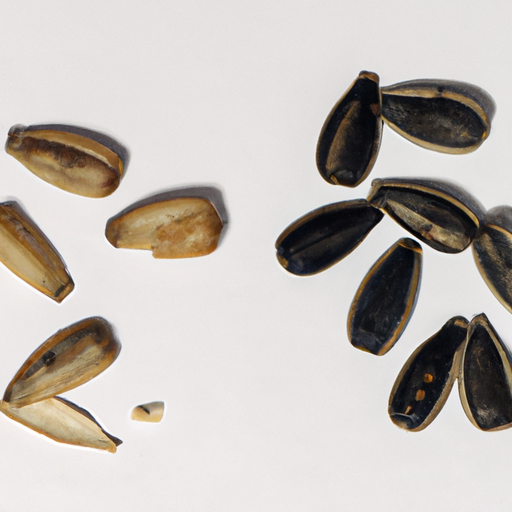
Pantry
50-70°F (10-21°C)
Store in airtight container. Keep in cool dry place. Refrigerate or freeze for longer storage.
90 days
365 days
Rancid smell, unusual odor, mold growth, bitter taste, insect presence
Baking, salad topping, trail mix, butter making
Other seeds, chopped nuts
The expiration date on sunflower seed packaging indicates the date until which the seeds are expected to remain fresh and safe to consume. Beyond this date, the quality of the seeds may deteriorate, and they may become rancid or stale. However, sunflower seeds can still be consumed past the expiration date if stored properly. The 'best quality' refers to the period during which the seeds are at their peak quality in terms of taste and texture.
To determine if sunflower seeds have gone bad, look for any signs of mold, discoloration, or a rancid smell. Fresh sunflower seeds should have a crisp texture and a nutty aroma. If the seeds appear dull, have an off smell, or feel soft and mushy, it's best to discard them.
Sunflower seeds are generally safe to consume, but there is a risk of contamination with Salmonella bacteria. To minimize this risk, it is important to purchase sunflower seeds from reputable sources and ensure they are stored properly. Additionally, individuals with nut allergies should be cautious when consuming sunflower seeds as they can trigger allergic reactions in some individuals.
To prolong the freshness of sunflower seeds, store them in an airtight container in a cool, dry place away from sunlight. Refrigeration can further extend their shelf life. Avoid exposing sunflower seeds to heat or moisture as this can cause them to spoil faster. If you want to enhance the flavor of sunflower seeds, consider roasting them lightly before consuming.
Sunflower seeds have a rich cultural history, particularly in Native American traditions where they were used for both culinary and medicinal purposes. In many cultures, sunflower seeds are a popular snack enjoyed during leisure activities such as watching sports or socializing. They are also a common ingredient in various cuisines, adding texture and flavor to dishes.
If Sunflower Seeds have been at room temperature for a day, they are still safe to eat as long as they appear and smell normal. However, their taste and texture may have slightly changed. To maintain freshness, consider transferring them to an airtight container and storing them in the pantry.
When Sunflower Seeds are frozen, they may become slightly softer upon thawing. This change in texture is normal and doesn't affect their safety. To prevent moisture absorption and maintain crispiness, store them in a freezer-safe, airtight container. Allow them to come to room temperature before consuming for the best texture.
While the shelf life of Sunflower Seeds is generally around 90 days, specific brands may vary slightly. Some brands might add preservatives or have different packaging methods that can influence shelf life. Always refer to the expiration date on the packaging and follow storage instructions provided by the manufacturer for optimal freshness.
Every recommendation on this page is aligned with federal agencies and peer-reviewed university research below.
Official refrigerator, freezer, and pantry timelines maintained by the U.S. Department of Agriculture.
Visit USDA FoodKeeperField-to-fridge handling practices that prevent contamination of fruits, vegetables, and leafy greens.
Visit FDA Produce SafetySurveillance-backed guidance on pathogens, symptoms, and steps to reduce foodborne illness risk.
Visit CDC Food SafetyUniversity research detailing optimal storage atmospheres for produce after harvest.
Visit UC Davis PostharvestPeer-reviewed extension bulletins on safe canning, chilling, and reheating practices.
Visit Penn State ExtensionImportant: These are general guidelines based on authoritative sources listed above. Always use your best judgment and when in doubt, throw it out.