USDAOfficial guidance
USDA FoodKeeper – Cold Storage Guidelines
Official refrigerator, freezer, and pantry timelines maintained by the U.S. Department of Agriculture.
Visit USDA FoodKeeperStorage temperature, initial freshness, and how it has been handled change the answer — and those details are easy to miss.
Last reviewed: January 2026
Reviewed by the Can I Eat Expired Editorial Team using official USDA, FDA, and CDC food safety guidance. How we assess food safety risk
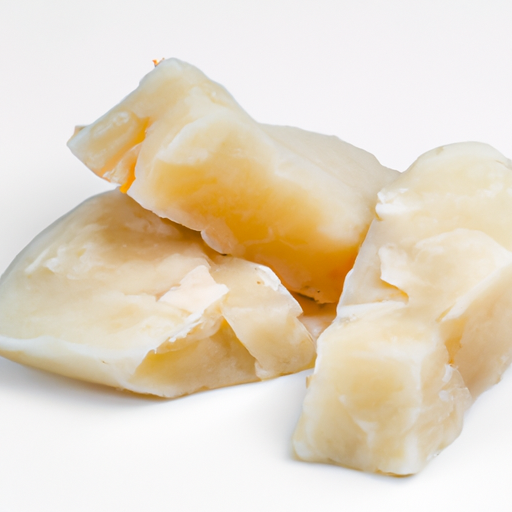
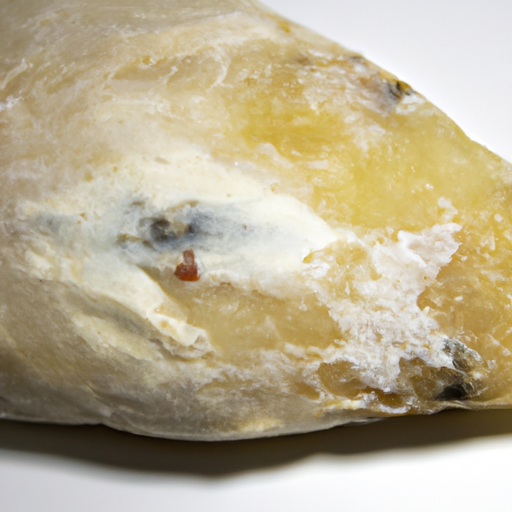
This food is often safe when handled and stored properly, but safety depends on how it's been kept and whether any spoilage signs are present.
⏱️ Safe for up to 180 days after expiry if properly stored and showing no spoilage signs.
Get a yes / no answer for your salted cod bacalhau →
⚠️ Seafood spoils quickly and can cause severe food poisoning if consumed past its prime.
Pantry
Room temperature
Keep in a cool, dry place
Consistent cold storage is essential for food safety. A refrigerator thermometer (Amazon) helps monitor refrigerator temperature and ensures food stays at safe levels (40°F or below).
365 days
Extremely dry texture, rancid smell, mold
Proper packaging helps prevent freezer burn and contamination. Using freezer-safe storage bags (Amazon) can help preserve food quality during freezer storage.
Use in stews, pastas, or fried
Fresh cod, canned tuna
The expiration date on salted cod Bacalhau indicates the last day the product is guaranteed to be at its peak quality in terms of flavor and texture. Past this date, the salted cod may still be safe to eat, but the quality may deteriorate, resulting in a less desirable taste. Best quality refers to the optimal taste and texture of the salted cod, while expiration signifies the end of the period where the product is expected to be at its best.
To check if Salted Cod Bacalhau has gone bad, look for any signs of mold, discoloration, or an off-smell. Fresh Bacalhau should have a firm and slightly elastic texture, so if it feels excessively mushy or slimy, it may be spoiled. Trust your senses and discard if in doubt.
Salted Cod Bacalhau, being a preserved seafood product, is susceptible to bacterial contamination if not handled and stored properly. The high salt content in salted cod inhibits the growth of some bacteria, but not all pathogens, so it's crucial to follow safe handling practices. Cross-contamination with other foods should be avoided to prevent the spread of bacteria. It is recommended to cook salted cod thoroughly before consumption to kill any potential pathogens.
To store salted cod Bacalhau properly, it is recommended to keep it in a cool, dry place away from direct sunlight. Ideally, the salted cod should be wrapped in parchment paper or a clean cloth to prevent it from absorbing moisture. Some pro tips include periodically checking the cod for any signs of spoilage, such as off smells or discoloration. If stored correctly, salted cod Bacalhau can last for several months, maintaining its quality and flavor.
Salted Cod Bacalhau has a rich cultural significance in countries like Portugal, Spain, and many Latin American nations. It was historically a staple food due to its long shelf life, allowing sailors and explorers to carry it on long voyages. In Portugal, Bacalhau is a traditional dish enjoyed during holidays and special occasions, with hundreds of different recipes featuring this versatile ingredient. The process of salting and drying cod dates back centuries and has become an integral part of these countries' culinary traditions.
Once opened, Salted Cod Bacalhau should be consumed within 3-4 days if stored in the refrigerator. Make sure to keep it tightly wrapped or in an airtight container to maintain its freshness.
If Salted Cod Bacalhau has been at room temperature for a few hours, it's generally safe to eat if it still appears fresh. However, prolonged exposure to room temperature can affect its quality. To be safe, refrigerate it promptly.
The type of container can influence the shelf life of Salted Cod Bacalhau. Opt for airtight containers or vacuum-sealed bags to prolong its freshness. Avoid storing it in containers that are not airtight, as exposure to air can accelerate spoilage.
Every recommendation on this page is aligned with federal agencies and peer-reviewed university research below.
Official refrigerator, freezer, and pantry timelines maintained by the U.S. Department of Agriculture.
Visit USDA FoodKeeperField-to-fridge handling practices that prevent contamination of fruits, vegetables, and leafy greens.
Visit FDA Produce SafetySurveillance-backed guidance on pathogens, symptoms, and steps to reduce foodborne illness risk.
Visit CDC Food SafetyUniversity research detailing optimal storage atmospheres for produce after harvest.
Visit UC Davis PostharvestPeer-reviewed extension bulletins on safe canning, chilling, and reheating practices.
Visit Penn State ExtensionImportant: These are general guidelines based on authoritative sources listed above. Always use your best judgment and when in doubt, throw it out.
Disclosure: As an Amazon Associate, we earn from qualifying purchases. This helps support our site and allows us to continue providing free food safety information.