USDAOfficial guidance
USDA FoodKeeper – Cold Storage Guidelines
Official refrigerator, freezer, and pantry timelines maintained by the U.S. Department of Agriculture.
Visit USDA FoodKeeperLast reviewed: January 2026
Reviewed by the Can I Eat Expired Editorial Team using official USDA, FDA, and CDC food safety guidance. How we assess food safety risk
This food is often safe when handled and stored properly, but safety depends on how it's been kept and whether any spoilage signs are present.
⏱️ Safe for up to 90 days after expiry if properly stored and showing no spoilage signs.
Storage conditions, initial freshness, and potential contamination change the answer — and those details are easy to miss.
Get a yes / no answer for your blackberries →
Check Your Exact Situation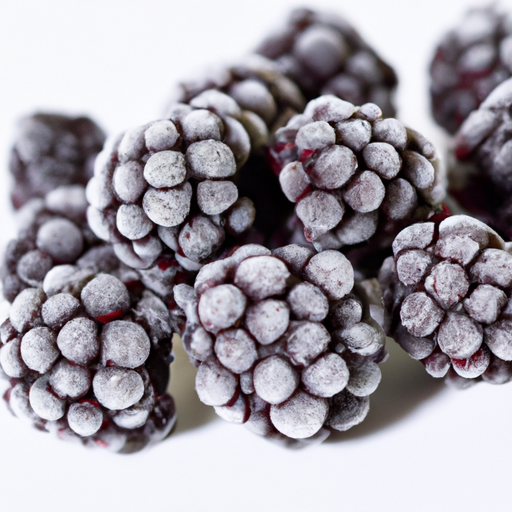
Freezer
0°F (-18°C) or below
Store in airtight, moisture-proof freezer containers or heavy-duty freezer bags. Remove as much air as possible. Layer berries individually on tray before freezing to prevent clumping.
Proper airflow and humidity control can extend produce freshness. Using produce storage containers (Amazon) in the refrigerator helps regulate moisture and slow spoilage.
365 days
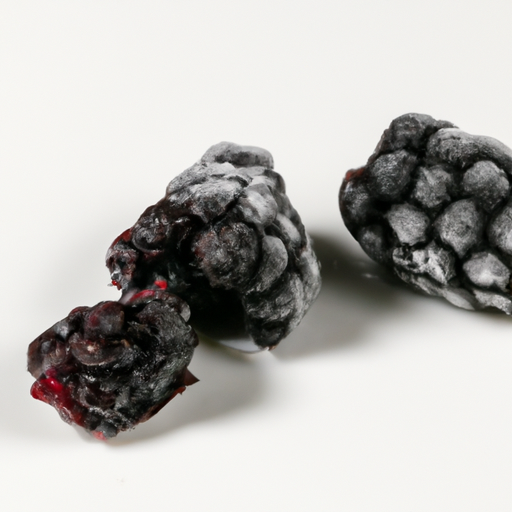
Severe freezer burn, ice crystals larger than 1/4 inch, clumping that won't separate, off-odors when thawed, fermented smell, visible mold after thawing, unusual color changes
Make preserves or jam, create fruit syrups, blend into smoothies, use in baked goods, create natural food coloring, make fruit leather, blend into sauces for meat dishes, create fruit vinegars, mix into yogurt or ice cream bases
Other frozen berries (raspberries, mixed berries), frozen cherries, frozen blueberries. For baking: dried berries rehydrated in hot water, fresh seasonal berries, frozen mixed berry blends
The expiration date on frozen blackberries indicates the last date at which the product is at its peak quality in terms of taste and texture. However, frozen blackberries can be safely consumed past the expiration date as long as they have been stored properly. The best quality of frozen blackberries is within the first 6-12 months of freezing, but they can remain safe to eat for an extended period if stored correctly.
To determine if frozen blackberries have gone bad, look for any signs of freezer burn, such as ice crystals or discoloration. Check for a sour or off smell, indicating spoilage. Additionally, feel the texture - if the blackberries appear mushy or slimy, they are no longer safe to eat.
Frozen blackberries are generally safe to consume, but there are some risks to be aware of. Like any frozen fruit, there is a risk of contamination during processing or packaging. Thawed blackberries should be consumed promptly or stored in the refrigerator to prevent bacterial growth. Individuals with allergies to berries should also be cautious when consuming frozen blackberries.
To maximize the shelf life and quality of frozen blackberries, it is essential to store them properly. Keep frozen blackberries in a tightly sealed container or freezer bag to prevent freezer burn and absorption of odors. It is recommended to label the container with the date of freezing to track freshness. When thawing frozen blackberries, do so in the refrigerator to maintain their texture and flavor. Avoid refreezing thawed blackberries to preserve their quality.
Blackberries have a long history of cultivation and consumption. They have been enjoyed for their sweet and tart flavor in various culinary dishes, desserts, and beverages. Blackberries are also rich in antioxidants, vitamins, and fiber, making them a popular choice for health-conscious individuals. In some cultures, blackberries are considered symbols of protection and prosperity.
If Frozen Blackberries have been at room temperature for a few hours, it is generally safe to eat if there are no signs of spoilage like off odors, mold, or unusual texture. However, for optimal safety and quality, it's best to keep them frozen until consumption.
Freezing Blackberries can affect their texture slightly. When thawed, they may be softer and slightly mushier compared to fresh ones. This texture change is normal and doesn't impact the safety of the berries.
The type of container can influence the shelf life of Frozen Blackberries. Airtight containers or freezer bags are recommended to prevent freezer burn and extend the berries' freshness. Improperly sealed containers may lead to quality deterioration.
Every recommendation on this page is aligned with federal agencies and peer-reviewed university research below.
Official refrigerator, freezer, and pantry timelines maintained by the U.S. Department of Agriculture.
Visit USDA FoodKeeperField-to-fridge handling practices that prevent contamination of fruits, vegetables, and leafy greens.
Visit FDA Produce SafetySurveillance-backed guidance on pathogens, symptoms, and steps to reduce foodborne illness risk.
Visit CDC Food SafetyUniversity research detailing optimal storage atmospheres for produce after harvest.
Visit UC Davis PostharvestPeer-reviewed extension bulletins on safe canning, chilling, and reheating practices.
Visit Penn State ExtensionImportant: These are general guidelines based on authoritative sources listed above. Always use your best judgment and when in doubt, throw it out.
Disclosure: As an Amazon Associate, we earn from qualifying purchases. This helps support our site and allows us to continue providing free food safety information.