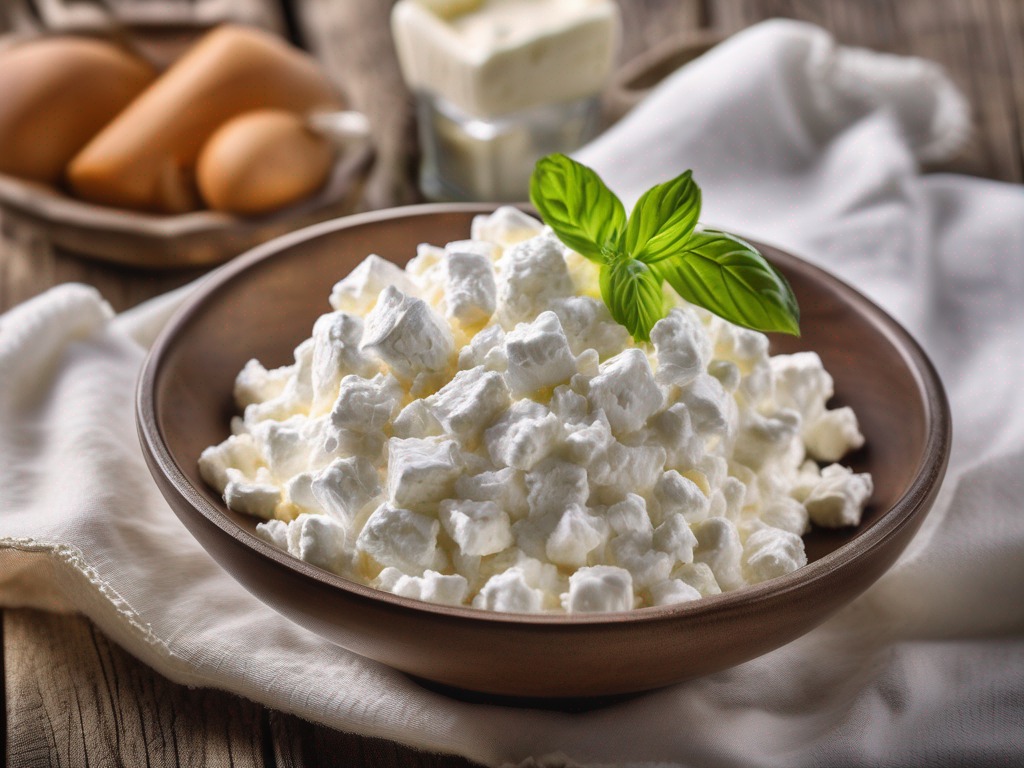
How Long is Cottage Cheese Good for Once Opened?
CanIEatExpired.com Team
# How Long is Cottage Cheese Good for Once Opened?

Cottage cheese is a popular dairy product known for its creamy texture and tangy flavor. It is a versatile ingredient that can be enjoyed on its own or used in various recipes, from salads to desserts. However, like all dairy products, cottage cheese has a limited shelf life, especially once it has been opened. In this blog post, we will explore how long cottage cheese is good for once opened, how to properly store it, and some practical tips to ensure its safety and freshness. ([Cottage cheese](https://canieatexpired.com/food/cottage-cheese))

## Understanding Cottage Cheese Shelf Life

Cottage cheese is a perishable product that contains live cultures and moisture, making it prone to spoilage if not stored properly. Once you open a container of cottage cheese, its shelf life significantly decreases due to exposure to air and potential contamination. Here are some general guidelines to keep in mind:

### Unopened Cottage Cheese
- **Refrigeration:** Store unopened cottage cheese in the refrigerator at a temperature of 40°F (4°C) or below.
- **Expiration Date:** Check the expiration date on the packaging and consume the cottage cheese before that date for optimal freshness.

### Opened Cottage Cheese
- **Refrigeration:** Once opened, store cottage cheese in the refrigerator at all times.
- **Storage Container:** Transfer the remaining cottage cheese to an airtight container or reseal the original packaging tightly.
- **Expiration:** Cottage cheese is typically good for 5-7 days after opening, but several factors can influence its shelf life.

## Factors Affecting Cottage Cheese Shelf Life

Several factors can impact how long cottage cheese remains safe to eat after opening. It's essential to consider these factors to ensure food safety and avoid consuming spoiled cottage cheese:

### Contamination
- **Cross-Contamination:** Avoid using dirty utensils or hands when handling cottage cheese to prevent introducing harmful bacteria.
- **Spoilage Signs:** Check for any signs of mold, off smells, or unusual texture, as these indicate spoilage.

### Temperature
- **Refrigeration:** Maintaining a consistent cold temperature is crucial for extending the shelf life of cottage cheese.
- **Avoid Temperature Abuse:** Do not leave cottage cheese out at room temperature for extended periods, as it can lead to bacterial growth.

### Packaging
- **Airtight Containers:** Properly sealing the cottage cheese container helps prevent air exposure and slows down spoilage.
- **Original Packaging:** If using the original container, ensure it is tightly sealed after each use.

## Tips for Extending Cottage Cheese Shelf Life

To maximize the freshness and safety of your cottage cheese, consider the following tips:

1. **Use Clean Utensils:** Always use clean utensils when scooping out cottage cheese to prevent contamination.
2. **Consume Promptly:** Try to use up the opened cottage cheese within a week for the best quality.
3. **Avoid Double-Dipping:** To prevent introducing bacteria, scoop out the desired amount of cottage cheese and avoid double-dipping.
4. **Store Properly:** Keep cottage cheese away from strong-smelling foods in the refrigerator to prevent flavor absorption.

## common situation

Imagine it’s a busy Wednesday evening, and you’re preparing a quick dinner. You grab that container of cottage cheese you opened a few days ago, thinking it’ll be perfect for a creamy pasta sauce. You check the date and notice it’s been almost a week. A quick sniff and inspection reveal it looks and smells fine, so you proceed. However, you're slightly hesitant. You might wonder, "Did I store it correctly?”

Or Common situations include brunch gathering where you’ve made a delightful fruit salad topped with cottage cheese. Friends are raving about the dish, but you remember that you opened the cottage cheese just a few days ago. As you serve, you find yourself explaining how to store leftovers properly to avoid spoilage next time.

In both situations, understanding the proper storage and shelf life of cottage cheese not only helps you avoid food waste but also ensures the safety of your meals.

## Scientific Context

The shelf life of cottage cheese isn’t just about dates; it’s rooted in food science. Cottage cheese is made through a process of curdling milk, which introduces lactic acid bacteria. These live cultures are beneficial for gut health but can lead to spoilage if the cheese is not stored properly.

One of the primary spoilage concerns is bacterial growth. When cottage cheese is exposed to air, oxygen can promote the growth of molds and harmful bacteria such as Listeria monocytogenes, which can thrive in dairy products. Keeping cottage cheese sealed and refrigerated slows down this process significantly.

## Common Mistakes

Many people don’t realize that cottage cheese can be quite sensitive to temperature changes. One common mistake is leaving the container out on the counter while prepping other ingredients. Even a short amount of time at room temperature can increase the risk of spoilage.

Another mistake is neglecting the importance of the “use-by” date. While it’s a good guideline, it’s crucial to assess the cheese's appearance and smell, especially if it’s been opened for several days.

Lastly, some individuals may mistakenly believe that freezing cottage cheese is a viable option to extend its shelf life. While it can be frozen, the texture may change significantly upon thawing, making it less desirable for certain dishes.

## Practical Storage Techniques

To keep your cottage cheese fresh for as long as possible, consider these detailed storage techniques:

### Use Smaller Containers

If you often find yourself with leftover cottage cheese, transfer portions into smaller airtight containers. This helps minimize air exposure, as you’ll only open one container at a time.

### Avoid Storing Near the Fridge Door

The temperature fluctuates more in the door than in the interior of the fridge. Store your cottage cheese in the main body of the refrigerator where the temperature is more stable.

### Keep it Sealed

If you prefer to use the original container, make sure it is tightly sealed. If the packaging is damaged or the seal is broken, transfer the cottage cheese into a clean, airtight container.

## Expert Insights

Food safety experts recommend regularly checking your refrigerator's temperature with a thermometer. It should consistently be at 40°F (4°C) or below. Keeping a log of when you open dairy products can also help you track how long they’ve been opened, ensuring safer consumption habits.

When in doubt, always trust your senses. If cottage cheese looks off or has an unusual odor, it's better to err on the side of caution and toss it. Additionally, consider using an airtight container that has a date label for when you opened it. This can help you keep track of freshness and minimize waste.

## Safety Warnings

Always remember that food safety is paramount. Spoiled cottage cheese can harbor bacteria that lead to foodborne illnesses. Symptoms of foodborne illnesses can include nausea, vomiting, diarrhea, and abdominal cramps. If you experience these symptoms after consuming dairy products, it’s important to consult with a healthcare provider.

If cottage cheese ever develops a watery surface, you may find this unsettling. While it can be normal due to whey separation, if accompanied by an off smell or mold, discard it immediately.

## Conclusion

In conclusion, cottage cheese is a nutritious and delicious dairy product that can enhance a variety of dishes. However, once opened, its shelf life is limited, and proper storage is essential to maintain its quality and safety. By following the guidelines outlined in this post, you can enjoy your cottage cheese for longer while minimizing the risk of spoilage. Remember to always practice good food safety habits and trust your senses if you suspect that the cottage cheese may have gone bad. [Cottage cheese](https://canieatexpired.com/food/cottage-cheese) is a versatile ingredient that can be a healthy addition to your diet when handled and stored correctly.

## Related Posts

Here are some other articles you might find helpful:

- [How Long Can Cottage Cheese Last in the Fridge?](/blog/how-long-can-cottage-cheese-last-in-the-fridge)
- [How Long Does Cottage Cheese Last After Opening?](/blog/how-long-does-cottage-cheese-last-after-opening)
- [How Long is Cottage Cheese Good Once Opened?](/blog/how-long-is-cottage-cheese-good-once-opened)
- [How Long Does Cottage Cheese Last Once Opened?](/blog/how-long-does-cottage-cheese-last-once-opened)
- [How Long is Cottage Cheese Good for Unopened?](/blog/how-long-is-cottage-cheese-good-for-unopened)
Authoritative Food Safety References
These agencies and university labs inform every tip and health precaution we publish.
USDAOfficial guidance
USDA FoodKeeper – Cold Storage Guidelines
Official refrigerator, freezer, and pantry timelines maintained by the U.S. Department of Agriculture.
Visit USDA FoodKeeperFDAOfficial guidance
FDA Produce Safety Rule & Grower Guidance
Field-to-fridge handling practices that prevent contamination of fruits, vegetables, and leafy greens.
Visit FDA Produce SafetyCDCOfficial guidance
CDC Foodborne Illness Prevention Hub
Surveillance-backed guidance on pathogens, symptoms, and steps to reduce foodborne illness risk.
Visit CDC Food SafetyResearchUniversity research
UC Davis Postharvest Technology Center
University research detailing optimal storage atmospheres for produce after harvest.
Visit UC Davis PostharvestResearchUniversity research
Penn State Extension – Home Food Preservation & Safety
Peer-reviewed extension bulletins on safe canning, chilling, and reheating practices.
Visit Penn State ExtensionDisclosure: As an Amazon Associate, we earn from qualifying purchases. This helps support our site and allows us to continue providing free food safety information.
Our articles are created using a combination of AI assistance and human review. All food safety information is based on USDA guidelines and credible sources. Learn more about our review process here.