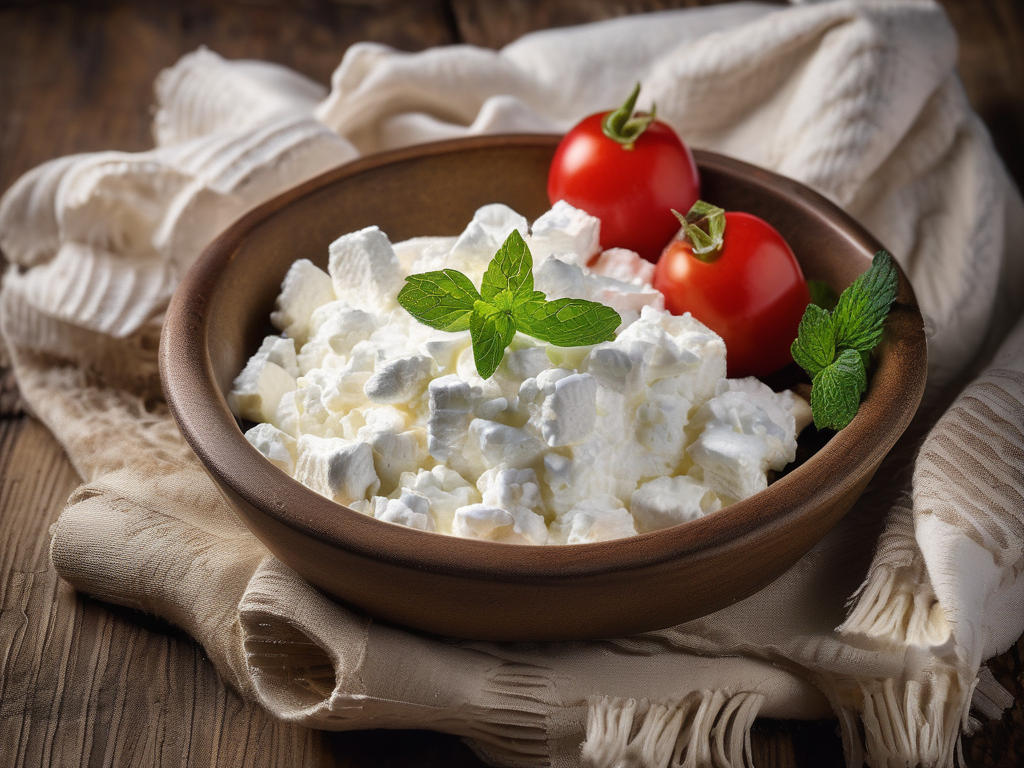
How Long is Cottage Cheese Good for Unopened?
CanIEatExpired.com Team
# How Long is Cottage Cheese Good for Unopened?

Cottage cheese is a popular dairy product known for its creamy texture and mild flavor. It can be enjoyed on its own, mixed with fruits or vegetables, or used in various recipes. But if you have a container of cottage cheese sitting in your fridge, you may wonder how long it will stay fresh before you need to toss it out. In this blog post, we will explore the shelf life of unopened cottage cheese and provide you with some helpful tips on storage and food safety. ([Cottage cheese](https://canieatexpired.com/food/cottage-cheese))

## Understanding Cottage Cheese Shelf Life

Cottage cheese is a perishable product that requires proper storage to maintain its freshness and quality. When unopened and stored correctly, cottage cheese can last for quite some time. Here are some general guidelines for the shelf life of unopened cottage cheese:

### Factors Affecting Shelf Life

Several factors can influence how long cottage cheese remains good for:

1. **Storage Temperature**: Cottage cheese should be kept refrigerated at all times to prevent bacterial growth.
2. **Packaging**: Sealed containers provide better protection against contamination.
3. **Sell-By Date**: While not an expiration date, the sell-by date indicates the manufacturer's recommendation for peak quality.

### Shelf Life Estimates

On average, unopened cottage cheese can last:

- **In the fridge**: Up to 2-3 weeks past the sell-by date.

Keep in mind that these are general estimates, and the actual shelf life of your cottage cheese may vary based on storage conditions and other factors.

## Proper Storage Tips

To maximize the shelf life of your unopened cottage cheese, follow these storage tips:

### Refrigeration

1. **Maintain a Consistent Temperature**: Keep your fridge at 40°F (4°C) or below to slow down bacteria growth.
2. **Store on a Shelf**: Place cottage cheese on a middle shelf rather than the door to maintain a more consistent temperature.
3. **Keep it Sealed**: If the original packaging is damaged, transfer the cottage cheese to an airtight container or wrap it tightly with plastic wrap.

### Other Tips

1. **Check for Signs of Spoilage**: If the cottage cheese looks or smells off, discard it.
2. **Avoid Temperature Fluctuations**: Don't leave cottage cheese out at room temperature for extended periods.

## Is It Safe to Consume Expired Cottage Cheese?

While cottage cheese may still be safe to eat past its expiration date, it's essential to use your judgment and consider the following:

- **Appearance**: If the cottage cheese has mold growth, an off smell, or an unusual texture, it's best to throw it out.
- **Taste**: If the taste seems off or sour, it's safer to discard the cottage cheese.

## common situation

Imagine this: you’re preparing a family dinner, and you remember that you have a container of cottage cheese tucked away in the fridge. You find it slightly past the sell-by date but are unsure if it’s still good. You might hesitate, wondering if it's safe to use in your creamy lasagna recipe. In this case, knowing how to assess the quality of that cottage cheese could save your dinner plans!

Or consider another situation: you’re hosting a brunch, and someone requests a hearty breakfast with cottage cheese pancakes. You check your fridge and find an unopened container that you bought a few weeks ago. By knowing the right indicators of freshness, you can confidently use that cottage cheese without risking anyone's health.

Lastly, think about the time when you bought cottage cheese with the intent of meal prepping healthy snacks for the week. Life got busy, and the cottage cheese sat in your fridge longer than expected. Understanding its shelf life allows you to make smart decisions about whether it’s still safe to incorporate into your meal plans.

Another relatable situation: You’re at a picnic with friends, and someone brings a wonderful fruit salad topped with cottage cheese. When you ask about the freshness of the cottage cheese used, your friend confidently mentions they checked the date and it was unopened. Knowing the shelf life of unopened cottage cheese helps you feel secure in enjoying that delicious dish!

## Scientific Context: Understanding Spoilage

Cottage cheese spoilage is primarily due to bacterial growth, which can occur if it's not stored at the correct temperature. The main culprits are bacteria like *Listeria monocytogenes*, which can survive in cold environments and potentially cause foodborne illnesses.

Cottage cheese contains moisture, making it a favorable environment for bacteria. This is one reason why proper storage is essential. The best way to combat spoilage is to keep it sealed and chilled. The average pH level of cottage cheese is around 4.6, which is slightly acidic. This level helps slow down the growth of unwanted bacteria, but it’s not an absolute barrier.

## Practical Tips for Using Leftover Cottage Cheese

If you often find yourself with leftover cottage cheese, here are some creative and practical ways to use it before it goes bad:

1. **Smoothies**: Blend it into your morning smoothies for added protein and creaminess.
2. **Baking**: Substitute cottage cheese for ricotta in lasagna or stuffed pasta dishes for a lighter option.
3. **Dips**: Mix it with herbs and spices to create a tasty dip for veggies or crackers.
4. **Pancakes**: Incorporate it into pancake batter for extra fluffiness and nutrition.
5. **Salads**: Toss a dollop into salads for added creaminess and protein.
6. **Cottage Cheese Bowls**: Create a cottage cheese bowl with fresh fruits, nuts, and a drizzle of honey for a nutritious breakfast or snack.
7. **Cottage Cheese Muffins**: Incorporate it into muffin recipes for added moisture and protein.

## Common Mistakes About Cottage Cheese Storage

Many people mistakenly believe that cottage cheese can last indefinitely as long as it’s sealed. This is a common misconception. Sealed or not, cottage cheese is still a perishable item, and its quality diminishes over time.

Another mistake is not checking for spoilage signs until it’s way past the sell-by date. It’s a good practice to inspect your dairy products regularly, particularly if you know they’ve been sitting there for a while.

Many also don't realize that the method of storage can greatly affect the longevity of cottage cheese. For instance, moving it back and forth from the fridge to the counter can cause temperature fluctuations that promote spoilage. It’s important to find a consistent spot for it in your fridge.

## Expert Insights: Food Safety Recommendations

Food safety experts recommend a general rule: “When in doubt, throw it out.” This adage is especially relevant with dairy products. If you find yourself questioning the safety of your cottage cheese, it’s better to err on the side of caution.

Additionally, experts suggest keeping a food diary to track when you purchase dairy products. This can help you manage your fridge more effectively and reduce waste. Also, if you see signs of spoilage, do not attempt to salvage the cottage cheese by cooking it. Cooking may kill some bacteria, but it won’t eliminate unpleasant flavors, odors, or reduced nutritional quality that could have been produced.

One tip I’ve found particularly helpful is labeling items with the purchase date when you bring them home. This small step makes a big difference in managing your food inventory more efficiently.

## Safety Warnings and Considerations

As with any dairy product, there are important safety considerations to keep in mind:

- **Cross-Contamination**: Always use clean utensils when scooping out cottage cheese. Introducing bacteria from other surfaces or foods can lead to quicker spoilage.
- **Temperature Abuse**: Leaving cottage cheese out for prolonged periods, especially over two hours, can significantly increase the risk of bacterial growth.
- **Pregnancy Considerations**: Pregnant women should be particularly cautious about consuming dairy products. Opt for pasteurized cottage cheese and ensure it’s well within its freshness date to avoid any risk.
- **Avoid Mixing Old and New**: If you’ve opened a container and have some left, avoid mixing it with a new batch of cottage cheese. This can introduce bacteria from the opened container to the new one.

## Conclusion

In conclusion, unopened cottage cheese can last for a few weeks beyond the sell-by date if stored properly. By following the recommended storage tips and being mindful of signs of spoilage, you can enjoy your cottage cheese safely and deliciously. Remember that food safety is crucial, and when in doubt, it's best to err on the side of caution and discard any questionable dairy products. Enjoy your cottage cheese while it's fresh and tasty! ([Cottage cheese](https://canieatexpired.com/food/cottage-cheese))

## Related Posts

Here are some other articles you might find helpful:

- [How Long is Cottage Cheese Good After the Expiration Date?](/blog/how-long-is-cottage-cheese-good-after-the-expiration-date)
- [How Long is Cottage Cheese Good After the Expiration Date?](/blog/how-long-is-cottage-cheese-good-after-expiration-date)
- [Everything You Need to Know About Cottage Cheese Expiration Date](/blog/cottage-cheese-expiration-date)
- [How to Extend the Shelf Life of Cottage Cheese without Compromising Taste](/blog/ways-to-extend-the-shelf-life-of-cottage-cheese-without-compromising-taste)
- [The Ultimate Guide to Properly Storing Cottage Cheese to Prevent Mold Growth](/blog/how-to-properly-store-cottage-cheese-to-prevent-mold-growth)
Authoritative Food Safety References
These agencies and university labs inform every tip and health precaution we publish.
USDAOfficial guidance
USDA FoodKeeper – Cold Storage Guidelines
Official refrigerator, freezer, and pantry timelines maintained by the U.S. Department of Agriculture.
Visit USDA FoodKeeperFDAOfficial guidance
FDA Produce Safety Rule & Grower Guidance
Field-to-fridge handling practices that prevent contamination of fruits, vegetables, and leafy greens.
Visit FDA Produce SafetyCDCOfficial guidance
CDC Foodborne Illness Prevention Hub
Surveillance-backed guidance on pathogens, symptoms, and steps to reduce foodborne illness risk.
Visit CDC Food SafetyResearchUniversity research
UC Davis Postharvest Technology Center
University research detailing optimal storage atmospheres for produce after harvest.
Visit UC Davis PostharvestResearchUniversity research
Penn State Extension – Home Food Preservation & Safety
Peer-reviewed extension bulletins on safe canning, chilling, and reheating practices.
Visit Penn State ExtensionDisclosure: As an Amazon Associate, we earn from qualifying purchases. This helps support our site and allows us to continue providing free food safety information.
Our articles are created using a combination of AI assistance and human review. All food safety information is based on USDA guidelines and credible sources. Learn more about our review process here.