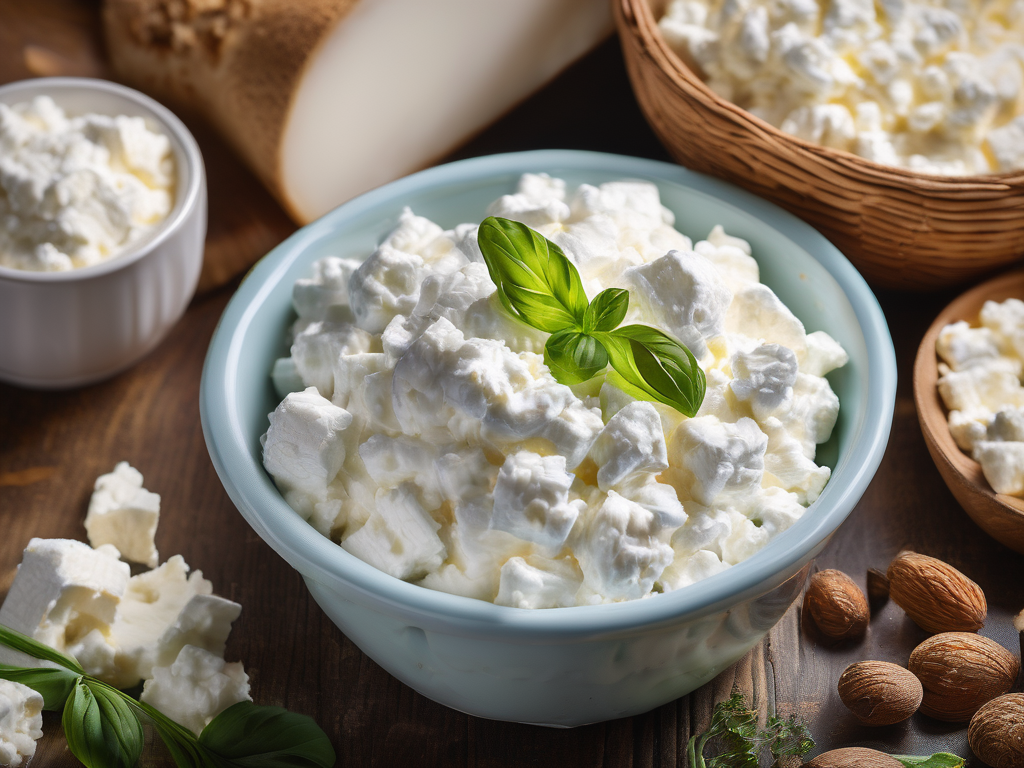
How Long Does Cottage Cheese Last After Opening?
How Long Does Cottage Cheese Last After Opening?
Cottage cheese is a popular and versatile dairy product that can be enjoyed on its own or used in various recipes. However, once you open a container of cottage cheese, it's essential to know how long it will last to ensure its freshness and safety. In this blog post, we will discuss the shelf life of cottage cheese after opening and provide you with helpful tips on how to store it properly. (Cottage cheese)
Understanding the Shelf Life of Cottage Cheese
Cottage cheese is a perishable product, and its shelf life can be affected by factors such as temperature, moisture, and contamination. After opening a container of cottage cheese, it is crucial to store it correctly to maintain its quality and freshness. Here are some key points to keep in mind:
Factors Affecting the Shelf Life of Cottage Cheese
- Temperature: Cottage cheese should be stored in the refrigerator at all times to slow down bacterial growth and maintain its freshness.
- Moisture: Excess moisture can lead to spoilage, so make sure to seal the container tightly after each use.
- Contamination: Always use clean utensils to scoop out cottage cheese to prevent the introduction of harmful bacteria.
How Long Does Cottage Cheese Last After Opening?
The shelf life of cottage cheese after opening can vary depending on the type of cottage cheese and how it is stored. Here are some general guidelines:
Dairy products require consistent cold storage to prevent spoilage and bacterial growth. A refrigerator thermometer (Amazon) helps ensure your refrigerator maintains safe temperatures (40°F or below).
- Unopened Cottage Cheese: If unopened and kept refrigerated, cottage cheese can last up to 1-2 weeks past the expiration date.
- Opened Cottage Cheese: Once opened, cottage cheese can last for about 5-7 days in the refrigerator.
- Check for Signs of Spoilage: Always inspect the cottage cheese before consuming it. If you notice any mold, off smells, or unusual texture, discard it immediately.
common situation
Imagine it’s a busy Tuesday night, and you’re whipping up a quick pasta dish. You reach for that container of cottage cheese sitting in the fridge, expecting to find it as fresh as when you first opened it. But as you scoop, you notice a strange smell and a watery texture. Your heart sinks because you were looking forward to that creamy addition to your meal. This situation is all too common and highlights the importance of knowing how long cottage cheese lasts after opening.
Another relatable situation might involve a family gathering where cottage cheese was served as part of a salad. After a fun-filled evening, you find yourself with leftover cottage cheese that’s still in the fridge days later. You wonder if it’s still safe to eat or if it’s time to toss it. Understanding its shelf life can save you from food waste and potential foodborne illness.
Lastly, Common situations include mom packed with a schedule full of school events and work meetings. She buys a large tub of cottage cheese to use in various recipes throughout the week. Unfortunately, she often forgets about it until she’s cleaning out the fridge, leading to her tossing out perfectly good food. Knowing how to store and preserve cottage cheese can help her make the most of her purchase.
After opening, transferring dairy into an airtight container (Amazon) can reduce odor absorption, limit moisture exposure, and help slow bacterial growth.
Another situation: The Health-Conscious Student
Common situations include student who is trying to eat healthier. They purchase cottage cheese to use in their smoothies or as a snack with fruit. However, due to their hectic schedule filled with classes, study sessions, and social activities, they sometimes forget about the container until a week has passed. They check it and, unsure if it's still good, they decide to err on the side of caution and toss it out. Understanding shelf life and storage could prevent this waste and help them stick to their health goals.
Proper Storage Tips for Cottage Cheese
To prolong the shelf life of cottage cheese after opening, follow these storage tips:
Storing Cottage Cheese in the Refrigerator
- Keep it Sealed: Always reseal the container tightly after each use to prevent moisture loss and contamination.
- Use Air-Tight Containers: If the original packaging is damaged, transfer the cottage cheese to an airtight container.
- Maintain Proper Temperature: Store cottage cheese in the coldest part of the refrigerator, ideally at 40°F or below.
Freezing Cottage Cheese
While freezing cottage cheese is possible, it may alter the texture and consistency. If you choose to freeze cottage cheese, follow these steps:
- Transfer to Freezer-Safe Containers: Place the cottage cheese in a freezer-safe container, leaving some room for expansion.
- Thawing: When ready to use, thaw the frozen cottage cheese in the refrigerator overnight. Stir well before serving.
Nutritional Information and nutritional quality
Cottage cheese is not just a delicious addition to your meals; it's also packed with nutritional benefits. It's an excellent source of protein, making it a favorite among athletes and fitness enthusiasts. A typical serving can contain around 25 grams of protein, which is beneficial for muscle repair and growth. Additionally, cottage cheese is rich in calcium, essential for maintaining strong bones and teeth.
Furthermore, cottage cheese is low in fat—especially the low-fat or non-fat varieties—making it a great option for those looking to manage their weight. It also provides essential vitamins and minerals, including vitamin B12, riboflavin, and phosphorus. Including cottage cheese in your diet can enhance your nutritional intake while being versatile enough to fit into various recipes, from smoothies to baked goods.
The Science Behind Its Freshness
Understanding the science of dairy can enhance your appreciation for cottage cheese. Cottage cheese is made from curds of milk, which contain live cultures that are beneficial for gut health. These live cultures can continue to work in your digestive system, helping to promote a healthy gut biome. However, as it ages, the balance of these cultures can shift, making it imperative to consume cottage cheese within the recommended time frame after opening to reap its nutritional quality.
Common Mistakes in Storing Cottage Cheese
Even seasoned home cooks can make mistakes when it comes to cottage cheese storage. Here are some common pitfalls to avoid:
-
Not Checking Expiration Dates: Some people think that as long as it looks fine, the product is safe, but always check the expiration date and any changes to the texture or smell.
-
Leaving the Lid Open: It might seem trivial, but leaving the lid off for extended periods can allow bacteria to thrive and lead to spoilage.
-
Using Dirty Utensils: Using contaminated spoons or knives can introduce bacteria into the container, leading to faster spoilage. Always use clean utensils.
-
Ignoring Signs of Spoilage: Sometimes, it’s easy to overlook signs like a slightly sour odor or excess liquid pooling. Trust your senses! If it doesn’t smell right, it’s best to toss it.
Expert Insights and Recommendations
Food safety experts emphasize that knowing how to handle dairy products like cottage cheese can significantly reduce the risk of foodborne illnesses. They recommend that consumers familiarize themselves with the signs of spoilage, which include changes in color, texture, and odor.
Additionally, experts suggest keeping a designated space in the refrigerator for dairy products to ensure they are always stored at optimal temperatures. This not only helps in maintaining freshness but also in avoiding cross-contamination with raw meats or other perishables.
Another tip from food safety experts is to maintain a food diary or a simple checklist of items in your fridge, noting their purchase dates. This can help you keep track of when to consume items like cottage cheese, ensuring you use it while it’s still fresh.
Practical Tips for Extending Shelf Life
To maximize the freshness of cottage cheese, consider these additional storage hacks:
- Use Smaller Containers: If you buy in bulk, consider splitting the cottage cheese into smaller containers. This way, you only expose a portion to air and potential contamination each time you open a container.
- Add a Pinch of Salt: For some, adding a pinch of salt to your cottage cheese can help preserve it by lowering the pH and inhibiting bacterial growth. However, this might alter the flavor slightly, so proceed with caution.
- Incorporate into Recipes: If you notice that you won’t finish your cottage cheese before it spoils, consider incorporating it into baked goods like muffins or pancakes. This not only uses up the product but also adds protein and moisture to your recipes.
Safety Warnings
When it comes to cottage cheese, it's essential to practice caution. If you ever find yourself unsure about its safety, it’s better to err on the side of caution and discard it. Consuming spoiled dairy can lead to food poisoning, exhibiting symptoms such as nausea, vomiting, and diarrhea. Protect yourself and your loved ones by regularly checking your cottage cheese and adhering to food safety guidelines.
Understanding Allergies and Intolerances
Additionally, individuals with lactose intolerance or dairy allergies should be particularly cautious. Cottage cheese, while lower in lactose than some other dairy products, can still cause discomfort for those sensitive to lactose. For these individuals, lactose-free versions of cottage cheese are readily available and should be consumed before their respective expiration dates.
Conclusion
In conclusion, cottage cheese is a nutritious and delicious dairy product that can be enjoyed as part of a balanced diet. By understanding its shelf life after opening and following proper storage guidelines, you can ensure the safety and quality of your cottage cheese. Remember to always inspect the cottage cheese before consuming it and discard any that shows signs of spoilage. By practicing good food safety habits, you can enjoy fresh and tasty cottage cheese for longer periods.
For more information on cottage cheese and other food safety tips, stay tuned to our blog for updates and helpful resources. Thank you for reading! (Cottage cheese)
Related Posts
Here are some other articles you might find helpful:
Authoritative Food Safety References
These agencies and university labs inform every tip and health precaution we publish.
USDA FoodKeeper – Cold Storage Guidelines
Official refrigerator, freezer, and pantry timelines maintained by the U.S. Department of Agriculture.
Visit USDA FoodKeeperFDA Produce Safety Rule & Grower Guidance
Field-to-fridge handling practices that prevent contamination of fruits, vegetables, and leafy greens.
Visit FDA Produce SafetyCDC Foodborne Illness Prevention Hub
Surveillance-backed guidance on pathogens, symptoms, and steps to reduce foodborne illness risk.
Visit CDC Food SafetyUC Davis Postharvest Technology Center
University research detailing optimal storage atmospheres for produce after harvest.
Visit UC Davis PostharvestPenn State Extension – Home Food Preservation & Safety
Peer-reviewed extension bulletins on safe canning, chilling, and reheating practices.
Visit Penn State ExtensionDisclosure: As an Amazon Associate, we earn from qualifying purchases. This helps support our site and allows us to continue providing free food safety information.