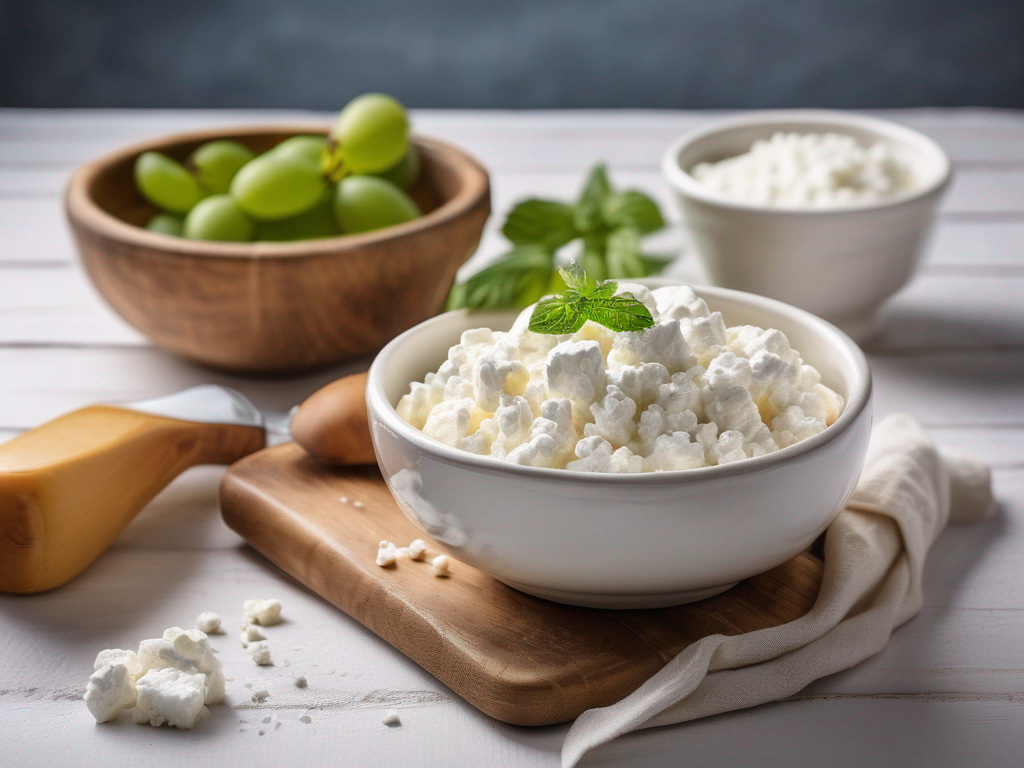
How Long Does Cottage Cheese Last Once Opened?
CanIEatExpired.com Team
# How Long Does Cottage Cheese Last Once Opened?

Cottage cheese is a popular dairy product known for its creamy texture and versatility in recipes. Once you have opened a container of cottage cheese, it's essential to store it properly to maintain its freshness and flavor. In this blog post, we will discuss how long cottage cheese lasts once opened and provide you with practical tips for storage and safety. ([Cottage cheese](https://canieatexpired.com/food/cottage-cheese))

## Understanding the Shelf Life of Cottage Cheese

Cottage cheese is a perishable product that requires proper storage to prevent spoilage. Once you open a container of cottage cheese, its shelf life can vary depending on factors such as storage conditions and the presence of preservatives. Here are some general guidelines on how long cottage cheese lasts once opened:

### Unopened Cottage Cheese

- Unopened cottage cheese typically has a shelf life of 1-2 weeks in the refrigerator.
- Check the expiration date on the packaging to ensure its freshness before opening.

### Opened Cottage Cheese

- Once opened, cottage cheese can last for 5-7 days in the refrigerator.
- Proper storage is crucial to maintaining its quality and safety.

## Tips for Storing Opened Cottage Cheese

To extend the shelf life of opened cottage cheese and prevent spoilage, follow these practical storage tips:

### Refrigeration

- Store opened cottage cheese in the refrigerator at all times.
- Keep it tightly sealed in its original container or transfer it to an airtight container.
- Place the cottage cheese in the coldest part of the refrigerator, away from the door to maintain a consistent temperature.

### Avoid Cross-Contamination

- Use clean utensils to scoop out cottage cheese to prevent introducing bacteria into the container.
- Keep the container away from raw meat, seafood, and other potential sources of contamination.

### Check for Signs of Spoilage

- Discard cottage cheese if you notice any signs of mold, off odor, or unusual texture.
- Do not consume cottage cheese that appears slimy or has an off color.

### Freezing Cottage Cheese

- While freezing cottage cheese is not recommended due to its texture changes, you can freeze it for up to 2 months for cooking purposes.
- Frozen cottage cheese may become grainy or watery upon thawing but can still be used in cooked dishes.

## common situation: Using Cottage Cheese

Many people enjoy incorporating cottage cheese into their diets, but they may find themselves wondering when to toss that half-opened container. Picture this: Emily has a busy week ahead with back-to-back meetings and minimal cooking time. She decides to make a big batch of lasagna, using cottage cheese as a filling. After using some for the dish, she puts the remainder in the fridge. By day five, Emily is unsure if it's still safe to eat. This is a common situation! Understanding the storage life of cottage cheese can help her minimize waste and enjoy her meals.

Another example involves Mike, who loves to add cottage cheese to his morning smoothies. He buys a tub and opens it but forgets about it as he reaches for other breakfast options. After a week, he sees it nestled behind the yogurt. He hesitates, wondering if it's still good. This dilemma is not uncommon—many people face similar situations with perishable items. Having clear guidelines on cottage cheese storage can help Mike and others make informed decisions about their food choices.

Consider also Sarah, a busy mother who often uses cottage cheese in her cooking. One day, she opens a new container to make a creamy pasta sauce but then gets sidetracked by her kids. A week later, she finds the container pushed to the back of the fridge and wonders about its safety. By sharing common situation like these, we can emphasize the importance of understanding how long cottage cheese lasts and the best practices for its storage.

## Nutritional Context: Why Cottage Cheese is a Great Choice

Cottage cheese is not just a versatile ingredient; it's also a powerhouse of nutrition. It's rich in protein, which is essential for muscle repair and growth, making it a favorite among fitness enthusiasts. One cup of cottage cheese can provide approximately 27 grams of protein, along with vital vitamins and minerals such as calcium, phosphorus, and vitamin B12. When used in cooking or baking, it can be a healthier substitute for higher-fat ingredients like cream or ricotta.

In addition to its nutritional benefits, cottage cheese is lower in calories than many other cheese varieties, making it an excellent option for those watching their weight. However, to ensure you’re getting the most out of this nutrient-dense dairy product, it’s vital to consume it within its safe storage period.

## Practical Tips for Enjoying Cottage Cheese

- **Mix It Up**: Add fruits, nuts, or honey to your cottage cheese for an exciting flavor twist. This not only enhances taste but can also encourage you to use the cottage cheese before it spoils.
- **Incorporate into Recipes**: Use cottage cheese in recipes like pancakes, smoothies, or as a topping for baked dishes. This way, you can utilize the entire container before it goes bad.
- **Labeling**: If you're transferring cottage cheese to another container, consider labeling it with the date of opening. This simple step can help track its freshness more effectively.

## Common Mistakes When Storing Cottage Cheese

Many people unknowingly make mistakes that can lead to premature spoilage of their cottage cheese. One of the most common errors is leaving the container open in the fridge. This exposure to air can introduce bacteria and lead to faster spoilage. Additionally, some might not realize that storing cottage cheese in the fridge door, where temperatures fluctuate, is detrimental. Instead, always aim for the main body of the fridge, where it remains colder and more stable.

Another mistake is not checking the expiration date. People often assume that if the cottage cheese looks fine, it is safe to eat. However, just because it appears good doesn’t guarantee it’s still fresh. A good habit is to always smell and visually inspect cottage cheese before consuming it, even if it's within the expected storage time.

## Expert Insights on Cottage Cheese Safety

Food safety experts recommend that if you're ever in doubt about the safety of any dairy product, including cottage cheese, it's better to err on the side of caution. According to the USDA, consuming spoiled dairy can lead to foodborne illnesses that could easily be avoided. Signs of spoilage include a sour smell, an unusual texture, or any mold growth.

Additionally, some brands of cottage cheese may contain preservatives that can slightly extend their shelf life. However, even with preservatives, it's essential to practice good hygiene when handling the product. For example, transferring from a larger tub into smaller containers can help minimize exposure and contamination, especially if you're planning to use only a portion at a time.

## Safety Precautions for Consuming Cottage Cheese

When consuming cottage cheese, it's important to follow these safety precautions to reduce the risk of foodborne illness:

- Wash your hands before handling cottage cheese.
- Use clean utensils and serving dishes to prevent contamination.
- Do not leave cottage cheese at room temperature for more than 2 hours.
- If you are unsure about the freshness of cottage cheese, it's best to discard it to avoid food poisoning.

## Scientific Context: The Role of Bacteria in Spoilage

Understanding the science behind food spoilage can help consumers make better choices. Cottage cheese, like many dairy products, is an ideal environment for bacteria to grow, especially when it is exposed to air. The primary spoilage bacteria in dairy are Lactobacillus, which can lead to souring and off-flavors. When cottage cheese is kept sealed and stored properly, it inhibits the growth of these bacteria. Keeping it cold is crucial, as refrigeration slows down bacterial growth significantly.

## Storage Methods: Beyond the Refrigerator

While refrigeration is the most common storage method for cottage cheese, there are a few creative uses for it that can extend its usability beyond the typical fridge life:
- **Create Small Portions**: If you find that you often forget about opened cottage cheese, consider dividing it into smaller portions and freezing these in ice cube trays. Once frozen, transfer the cubes to a freezer bag. This way, you can pull out just what you need for recipes or smoothies without the risk of spoilage.
- **Use in Baking**: If your cottage cheese is nearing the end of its recommended storage time but still shows no signs of spoilage, consider using it in baking. Cottage cheese can add moisture to baked goods like muffins and pancakes, providing an excellent way to avoid waste while also enhancing nutrition.

## Conclusion

In conclusion, cottage cheese is a nutritious and delicious dairy product that can be enjoyed in various dishes. By understanding how long cottage cheese lasts once opened and following proper storage guidelines, you can ensure its freshness and safety. Remember to refrigerate opened cottage cheese promptly, check for signs of spoilage, and practice food safety measures when handling and consuming this dairy product. By taking these simple steps, you can enjoy your cottage cheese safely and deliciously. ([Cottage cheese](https://canieatexpired.com/food/cottage-cheese))

## Related Posts

Here are some other articles you might find helpful:

- [How Long is Cottage Cheese Good for Unopened?](/blog/how-long-is-cottage-cheese-good-for-unopened)
- [How Long is Cottage Cheese Good After the Expiration Date?](/blog/how-long-is-cottage-cheese-good-after-the-expiration-date)
- [Everything You Need to Know About Cottage Cheese Expiration Date](/blog/cottage-cheese-expiration-date)
- [How to Extend the Shelf Life of Cottage Cheese without Compromising Taste](/blog/ways-to-extend-the-shelf-life-of-cottage-cheese-without-compromising-taste)
Authoritative Food Safety References
These agencies and university labs inform every tip and health precaution we publish.
USDAOfficial guidance
USDA FoodKeeper – Cold Storage Guidelines
Official refrigerator, freezer, and pantry timelines maintained by the U.S. Department of Agriculture.
Visit USDA FoodKeeperFDAOfficial guidance
FDA Produce Safety Rule & Grower Guidance
Field-to-fridge handling practices that prevent contamination of fruits, vegetables, and leafy greens.
Visit FDA Produce SafetyCDCOfficial guidance
CDC Foodborne Illness Prevention Hub
Surveillance-backed guidance on pathogens, symptoms, and steps to reduce foodborne illness risk.
Visit CDC Food SafetyResearchUniversity research
UC Davis Postharvest Technology Center
University research detailing optimal storage atmospheres for produce after harvest.
Visit UC Davis PostharvestResearchUniversity research
Penn State Extension – Home Food Preservation & Safety
Peer-reviewed extension bulletins on safe canning, chilling, and reheating practices.
Visit Penn State ExtensionDisclosure: As an Amazon Associate, we earn from qualifying purchases. This helps support our site and allows us to continue providing free food safety information.
Our articles are created using a combination of AI assistance and human review. All food safety information is based on USDA guidelines and credible sources. Learn more about our review process here.