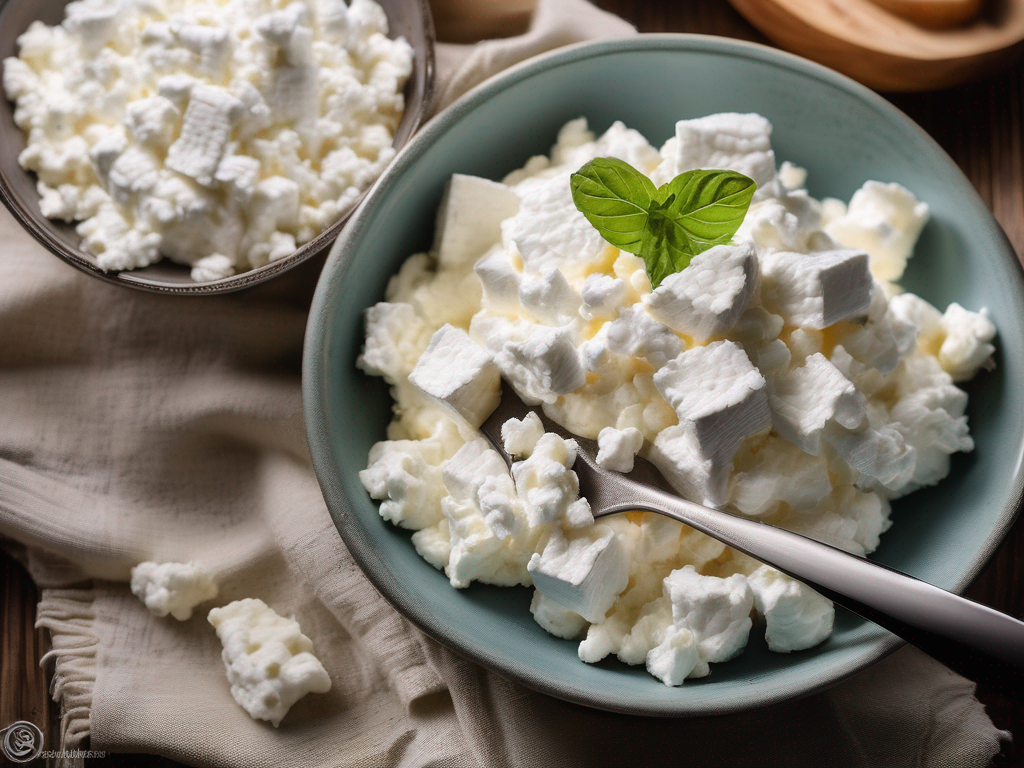
How Long is Cottage Cheese Good Once Opened?
CanIEatExpired.com Team
# How Long is Cottage Cheese Good Once Opened?

Cottage cheese is a popular and versatile dairy product known for its creamy texture and mild flavor. It can be enjoyed on its own, mixed into recipes, or used as a topping for various dishes. However, like any perishable food item, it is essential to understand how long cottage cheese remains safe to eat once it has been opened. ([Cottage cheese](https://canieatexpired.com/food/cottage-cheese))

## Factors Affecting the Shelf Life of Cottage Cheese

Several factors can influence the shelf life of cottage cheese after it has been opened. These include:

### Packaging
- The type of packaging can impact the shelf life of cottage cheese.
- Cottage cheese stored in airtight containers or vacuum-sealed packages may last longer than cottage cheese in containers with less secure seals.

### Temperature
- Cottage cheese should be stored at a consistent temperature to maintain its quality.
- Refrigeration is essential for extending the shelf life of cottage cheese.

### Contamination
- Proper handling and storage can prevent contamination and extend the shelf life of cottage cheese.
- Avoid using dirty utensils or hands when scooping out cottage cheese to prevent introducing bacteria.

### Quality of Ingredients
- The quality of the ingredients used in cottage cheese can impact its shelf life.
- Opt for cottage cheese made from fresh, high-quality dairy products for longer-lasting freshness.

## Shelf Life of Opened Cottage Cheese

Cottage cheese typically has a shorter shelf life once it has been opened compared to unopened cottage cheese. Here are some general guidelines to help you determine how long cottage cheese is good once opened:

1. **Refrigerator Storage**: Once opened, cottage cheese should be stored in the refrigerator at all times to maintain its freshness and prevent spoilage.

2. **Expiration Date**: Check the expiration date on the packaging of the cottage cheese. Once opened, consume it within a few days of the expiration date for optimal quality.

3. **Use-By Date**: Some cottage cheese containers may have a "use-by" date instead of an expiration date. Follow the recommended timeline for consuming the cottage cheese after opening.

4. **Appearance and Smell**: Inspect the cottage cheese for any signs of spoilage, such as mold growth, off odor, or unusual texture. If the cottage cheese appears or smells off, it is best to discard it.

5. **Texture Changes**: Cottage cheese may start to develop a watery consistency or become grainy as it ages. If you notice significant changes in texture, it is a sign that the cottage cheese is no longer fresh.

## Tips for Extending the Shelf Life of Cottage Cheese

To maximize the shelf life of opened cottage cheese and ensure its safety for consumption, consider the following tips:

- Always store cottage cheese in the refrigerator at a temperature of 40°F (4°C) or below.
- Keep the cottage cheese container tightly sealed when not in use to prevent exposure to air and contaminants.
- Avoid cross-contamination by using clean utensils to scoop out the cottage cheese.
- Consume the cottage cheese within a few days of opening for the best quality and flavor.
- Consider transferring leftover cottage cheese to an airtight container for extended freshness.

## common situation: When Cottage Cheese Goes Wrong

Many people have a story about something they’ve eaten that has gone bad, even when they thought it was still okay. For instance, a friend of mine, Sarah, was preparing a quick snack using cottage cheese and some fresh fruit. She opened a container that had been sitting in her fridge for a couple of weeks. Trusting the expiration date, she generously topped her bowl, only to be hit with a sour smell as she took her first bite. It turned out that the cottage cheese had developed mold because it hadn't been sealed properly after the first use. This experience highlighted for her the importance of checking for visual and olfactory signs of spoilage, even when the expiration date seems acceptable.

Another situation involves John, a college student who used cottage cheese as a protein-rich option for his late-night study sessions. He often bought the large tubs, but after opening one, he would forget to finish it. After a week, he noticed the texture had changed and the smell was off. He learned the hard way that he should either buy smaller containers or make a point to finish the opened container within a few days. Now, with a bit of planning, he makes sure to use cottage cheese in recipes like pancakes or smoothies before it goes bad.

## Important Nutritional Insights

Cottage cheese is not just a versatile ingredient; it's also a powerhouse of nutrition. For those looking to maintain a healthy diet, it’s important to understand what makes cottage cheese so beneficial. It is high in protein, low in fat (especially if you choose low-fat or non-fat versions), and packed with calcium, which is essential for bone health.

However, it’s not just about nutrition; the quality of your cottage cheese matters too. The presence of preservatives can sometimes alter both taste and texture. When looking at the ingredient label, opt for brands that use minimal additives. Fresh cottage cheese not only tastes better but can also lead to a better culinary experience as you prepare your meals.

## Common Mistakes: What to Avoid

When it comes to storing cottage cheese, many people unknowingly make a few common mistakes:

1. **Relying Solely on Dates**: While expiration and use-by dates are helpful, they are not the only factors to consider. Cottage cheese can spoil before these dates due to improper storage or contamination.

2. **Not Sealing Properly**: Many people simply place the lid back on the container without ensuring it's tightly sealed. This allows air to get in, leading to quicker spoilage.

3. **Using Contaminated Utensils**: Even a small amount of bacteria from a dirty spoon can lead to spoilage. Always scoop out the cottage cheese with clean utensils.

4. **Ignoring Leftovers**: If you've mixed cottage cheese with other ingredients, its shelf life decreases even further. Consume any mixed dishes containing cottage cheese within a day or two.

## Expert Insights: Professional Recommendations

Food safety experts recommend keeping the refrigerator organized, placing cottage cheese on a shelf in the main compartment rather than in the door, where temperatures fluctuate more. Additionally, consider labeling your opened containers with the date you opened them. This simple practice can help you keep track of how long they’ve been in your fridge and remind you to use them in a timely manner.

For those who enjoy cooking or baking, using cottage cheese in various dishes can help you utilize it before it goes bad. From lasagna layers to creamy dips, the possibilities are plentiful. If you're feeling adventurous, you might even want to try making homemade cottage cheese. This way, you have complete control over freshness and ingredients.

## Safety Considerations

It’s crucial to remember that consuming spoiled dairy products can lead to foodborne illnesses. Symptoms of food poisoning can range from mild to severe and include nausea, vomiting, diarrhea, and abdominal pain. If you ever have any doubts about the freshness of your cottage cheese, it’s better to be safe than sorry—when in doubt, throw it out!

## Conclusion

In conclusion, cottage cheese is a nutritious and delicious dairy product that can be enjoyed in a variety of ways. Understanding how long cottage cheese is good once opened is essential for maintaining food safety and preventing foodborne illnesses. By following proper storage guidelines, monitoring the cottage cheese for signs of spoilage, and consuming it within the recommended timeframe, you can enjoy your cottage cheese at its best quality. Remember to prioritize food safety practices to ensure the health and well-being of yourself and your family. [Cottage cheese](/food/cottage cheese) is a versatile ingredient that can enhance your meals, so make the most of it while it is fresh and safe to eat. ([Cottage cheese](https://canieatexpired.com/food/cottage-cheese))

## Related Posts

Here are some other articles you might find helpful:

- [How Long Does Cottage Cheese Last Once Opened?](/blog/how-long-does-cottage-cheese-last-once-opened)
- [How Long is Cottage Cheese Good for Unopened?](/blog/how-long-is-cottage-cheese-good-for-unopened)
- [How Long is Cottage Cheese Good After the Expiration Date?](/blog/how-long-is-cottage-cheese-good-after-the-expiration-date)
- [How Long is Cottage Cheese Good After the Expiration Date?](/blog/how-long-is-cottage-cheese-good-after-expiration-date)
- [Everything You Need to Know About Cottage Cheese Expiration Date](/blog/cottage-cheese-expiration-date)
Authoritative Food Safety References
These agencies and university labs inform every tip and health precaution we publish.
USDAOfficial guidance
USDA FoodKeeper – Cold Storage Guidelines
Official refrigerator, freezer, and pantry timelines maintained by the U.S. Department of Agriculture.
Visit USDA FoodKeeperFDAOfficial guidance
FDA Produce Safety Rule & Grower Guidance
Field-to-fridge handling practices that prevent contamination of fruits, vegetables, and leafy greens.
Visit FDA Produce SafetyCDCOfficial guidance
CDC Foodborne Illness Prevention Hub
Surveillance-backed guidance on pathogens, symptoms, and steps to reduce foodborne illness risk.
Visit CDC Food SafetyResearchUniversity research
UC Davis Postharvest Technology Center
University research detailing optimal storage atmospheres for produce after harvest.
Visit UC Davis PostharvestResearchUniversity research
Penn State Extension – Home Food Preservation & Safety
Peer-reviewed extension bulletins on safe canning, chilling, and reheating practices.
Visit Penn State ExtensionDisclosure: As an Amazon Associate, we earn from qualifying purchases. This helps support our site and allows us to continue providing free food safety information.
Our articles are created using a combination of AI assistance and human review. All food safety information is based on USDA guidelines and credible sources. Learn more about our review process here.