USDAOfficial guidance
USDA FoodKeeper – Cold Storage Guidelines
Official refrigerator, freezer, and pantry timelines maintained by the U.S. Department of Agriculture.
Visit USDA FoodKeeperLast reviewed: January 2026
Reviewed by the Can I Eat Expired Editorial Team using official USDA, FDA, and CDC food safety guidance. How we assess food safety risk
This food is often safe when handled and stored properly, but safety depends on how it's been kept and whether any spoilage signs are present.
⏱️ Safe for up to 365 days after expiry if properly stored and showing no spoilage signs.
Storage conditions, initial freshness, and proper handling change the answer — and those details are easy to miss.
Get a yes / no answer for your un refried beans →
Check Your Exact Situation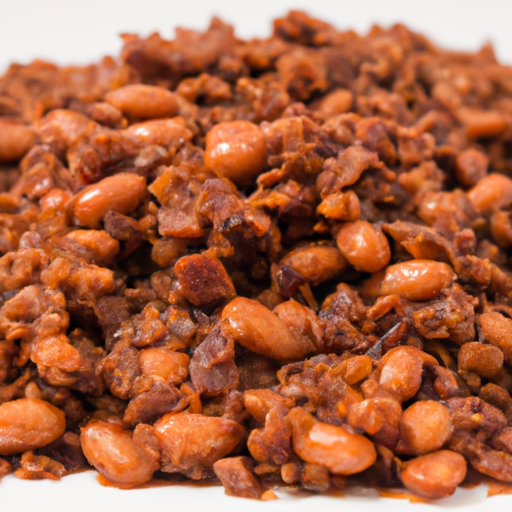
Pantry
50-70°F (10-21°C)
Store in cool dry place. Avoid temperature fluctuations. Check can integrity regularly.
1095 days
Bulging can, rust, dents along seams, leaking, off odor when opened
Dips, burritos, taco filling
Other canned beans, homemade refried beans
The expiration date on canned refried beans indicates the date until which the product is guaranteed to be at its best quality in terms of flavor, texture, and nutritional value. Consuming the beans after the expiration date doesn't necessarily mean they are unsafe, but the quality might deteriorate. It is recommended to consume the beans before the expiration date for the best taste and texture.
To check if unopened canned refried beans have gone bad, look for any signs of rust, dents, or bulging on the can. Additionally, check for any off-putting odor such as a sour or metallic smell when you open the can. Lastly, inspect the texture of the beans - if they appear discolored, slimy, or moldy, it's best to discard them.
Unopened canned refried beans are generally safe to consume as long as the can is not damaged, swollen, rusted, or leaking. However, if the can shows any signs of damage or if the beans appear to be spoiled (off smell, odd color, etc.), it is best to discard them to prevent foodborne illnesses like botulism. Always check the can for any abnormalities before consuming the contents.
To optimize the storage of unopened canned refried beans, store them in a cool, dry place away from direct sunlight. Ensure the cans are not exposed to extreme temperatures or moisture, as it can affect the quality of the product. It's advisable to rotate your canned goods, including refried beans, by placing newer purchases at the back of the pantry and using older cans first to maintain freshness. Once opened, transfer any unused portion to a clean, airtight container and refrigerate promptly for up to 3-4 days.
Refried beans, a staple in Mexican and Tex-Mex cuisine, are made by cooking and mashing beans, typically pinto or black beans, with various seasonings like garlic, onion, and cumin. Contrary to the name, refried beans are not actually fried twice; the 're' in refried comes from the Spanish 'refritos,' which means well-fried. They are a versatile ingredient used in burritos, tacos, tostadas, and more, adding rich flavor and creamy texture to dishes.
Yes, it's safe to store Unopened Canned Refried Beans next to other canned goods in the pantry. Make sure the cans are not damaged or leaking to prevent cross-contamination.
Once opened, Unopened Canned Refried Beans can be safely consumed within 3-4 days if refrigerated promptly in an airtight container. Discard if there are any signs of spoilage like off odors, unusual colors, or mold growth.
Exposure to high temperatures can affect the quality of Unopened Canned Refried Beans. If the cans have been subjected to extreme heat, the texture and flavor may be altered. It's best to avoid consuming them to prevent any potential food safety risks.
Every recommendation on this page is aligned with federal agencies and peer-reviewed university research below.
Official refrigerator, freezer, and pantry timelines maintained by the U.S. Department of Agriculture.
Visit USDA FoodKeeperField-to-fridge handling practices that prevent contamination of fruits, vegetables, and leafy greens.
Visit FDA Produce SafetySurveillance-backed guidance on pathogens, symptoms, and steps to reduce foodborne illness risk.
Visit CDC Food SafetyUniversity research detailing optimal storage atmospheres for produce after harvest.
Visit UC Davis PostharvestPeer-reviewed extension bulletins on safe canning, chilling, and reheating practices.
Visit Penn State ExtensionImportant: These are general guidelines based on authoritative sources listed above. Always use your best judgment and when in doubt, throw it out.