USDAOfficial guidance
USDA FoodKeeper – Cold Storage Guidelines
Official refrigerator, freezer, and pantry timelines maintained by the U.S. Department of Agriculture.
Visit USDA FoodKeeperStorage conditions, initial freshness, and proper handling change the answer — and those details are easy to miss.
Last reviewed: January 2026
Reviewed by the Can I Eat Expired Editorial Team using official USDA, FDA, and CDC food safety guidance. How we assess food safety risk
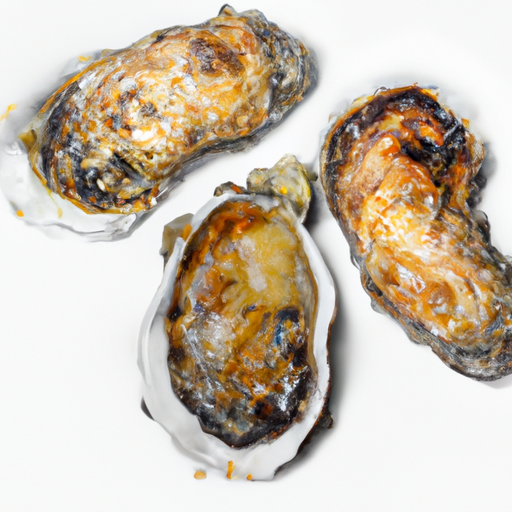
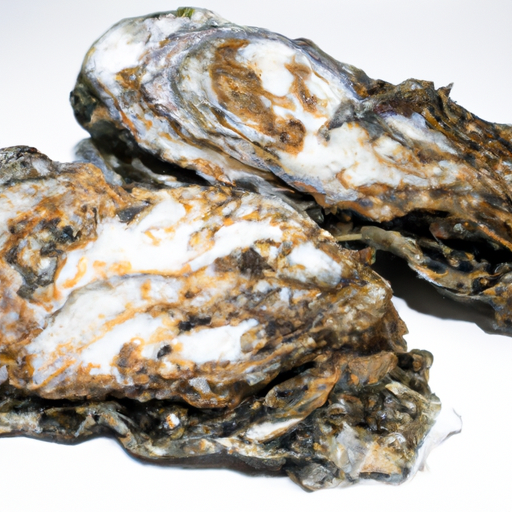
This food is often safe when handled and stored properly, but safety depends on how it's been kept and whether any spoilage signs are present.
⏱️ Safe for up to 365 days after expiry if properly stored and showing no spoilage signs.
Get a yes / no answer for your smoked oysters un →
Pantry
Between 40°F (4°C) and 70°F (21°C)
Store in a cool dry place away from direct sunlight
1095 days
Foul odor, bulging can, off-color appearance
Salads, pasta dishes, appetizers
Canned clams, canned mussels
The expiration date on commercially canned smoked oysters indicates the date until which the product is guaranteed to be at its best quality in terms of taste and texture. However, canned foods like smoked oysters can often be consumed safely past their expiration date as long as the can is intact and shows no signs of spoilage. It is important to use your senses to assess the quality of the product before consuming it, especially checking for any unusual odor, appearance, or taste.
To determine if commercially canned unopened smoked oysters have gone bad, check for any signs of bulging or damage to the can. Next, give it a sniff for any off or foul odors. Lastly, inspect the oysters for any mold, slime, or unusual texture. If any of these indicators are present, it's best to discard the product.
When it comes to commercially canned smoked oysters that are unopened, the main risk is the potential for botulism contamination. Clostridium botulinum spores can survive in low-oxygen environments like canned foods and, if the oysters were not processed correctly, these spores can produce toxins that cause a serious form of food poisoning known as botulism. Symptoms of botulism include blurred vision, difficulty swallowing, muscle weakness, and even paralysis. It is crucial to discard any canned smoked oysters that appear swollen, leaking, or have an off smell as these are signs of potential contamination.
To ensure the optimal storage of commercially canned smoked oysters, it is recommended to store them in a cool, dry place away from direct sunlight. Once opened, any leftover smoked oysters should be transferred to a non-metallic container, covered, and refrigerated. Consuming the opened product within a few days is advisable to maintain freshness and flavor. If you plan to use smoked oysters in a dish, consider adding them towards the end of the cooking process to prevent them from becoming overcooked and losing their delicate flavor.
Smoked oysters have a long history of being considered a delicacy in many cultures around the world. They are often enjoyed as a gourmet appetizer or added to dishes to impart a rich, smoky flavor. In some cultures, smoked oysters are believed to have aphrodisiac properties and are served as a symbol of fertility and prosperity.
Once opened, Smoked Oysters Commercially Canned Unopened can be safely consumed for up to 2-3 days if refrigerated properly in an airtight container. Ensure the oysters are covered in their original liquid to maintain freshness and flavor. Discard if there are any signs of spoilage.
It's not recommended to consume Smoked Oysters Commercially Canned Unopened if it has been stored at room temperature for an extended period. Bacteria can multiply rapidly at room temperature, increasing the risk of foodborne illness. Always refrigerate canned oysters to maintain their quality and safety.
The type of container can impact the shelf life of Smoked Oysters Commercially Canned Unopened. Opt for cans or jars that are intact without any dents or damage. Damaged containers can compromise the oysters' safety and quality. Always follow the manufacturer's storage recommendations for the best results.
Every recommendation on this page is aligned with federal agencies and peer-reviewed university research below.
Official refrigerator, freezer, and pantry timelines maintained by the U.S. Department of Agriculture.
Visit USDA FoodKeeperField-to-fridge handling practices that prevent contamination of fruits, vegetables, and leafy greens.
Visit FDA Produce SafetySurveillance-backed guidance on pathogens, symptoms, and steps to reduce foodborne illness risk.
Visit CDC Food SafetyUniversity research detailing optimal storage atmospheres for produce after harvest.
Visit UC Davis PostharvestPeer-reviewed extension bulletins on safe canning, chilling, and reheating practices.
Visit Penn State ExtensionImportant: These are general guidelines based on authoritative sources listed above. Always use your best judgment and when in doubt, throw it out.