USDAOfficial guidance
USDA FoodKeeper – Cold Storage Guidelines
Official refrigerator, freezer, and pantry timelines maintained by the U.S. Department of Agriculture.
Visit USDA FoodKeeperStorage conditions, initial freshness, and proper handling change the answer — and those details are easy to miss.
Last reviewed: January 2026
Reviewed by the Can I Eat Expired Editorial Team using official USDA, FDA, and CDC food safety guidance. How we assess food safety risk
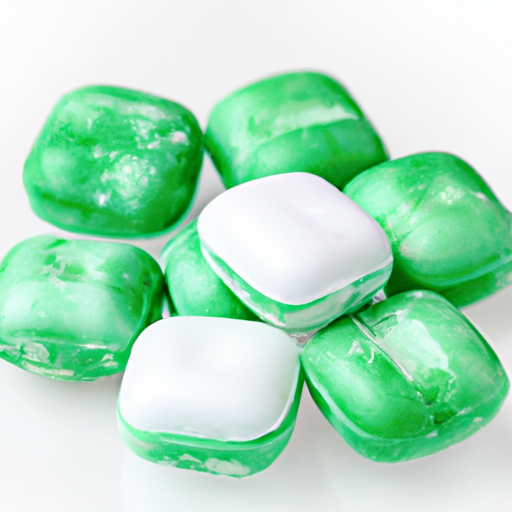
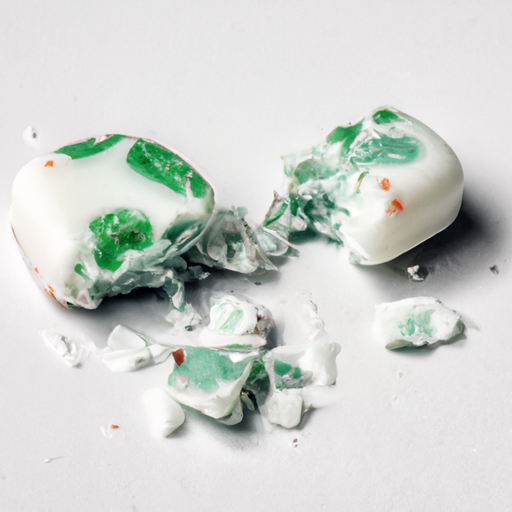
This food is often safe when handled and stored properly, but safety depends on how it's been kept and whether any spoilage signs are present.
⏱️ Safe for up to 30 days after expiry if properly stored and showing no spoilage signs.
Get a yes / no answer for your mints mint candy →
Pantry
65°F (18°C)
Keep in original packaging or airtight container to maintain freshness
365 days
Change in color, loss of mint flavor, stickiness
Crushed mints as cake decoration, flavoring for cocktails
The expiration date on mint candies primarily indicates the date until which the candies are expected to retain their best quality in terms of taste, texture, and appearance. Consuming mint candies after the expiration date may not necessarily pose a food safety risk, but the quality may deteriorate, leading to changes in taste and texture. It's recommended to consume mint candies before the expiration date for the best sensory experience.
To determine if Mints Mint Candy has gone bad, check for any signs of discoloration or unusual spots on the candy. Additionally, give it a sniff to detect any off or sour odors. Lastly, feel the texture to ensure it is still firm and not sticky or overly soft.
Mint candies typically have a long shelf life, but it's important to store them properly to avoid potential contamination. Make sure to keep them away from heat, humidity, and direct sunlight as these can cause the candies to melt or become sticky. Additionally, be cautious if the candies are stored in a humid environment as moisture can lead to bacterial growth. Always check the packaging for any signs of tampering or damage before consuming.
To ensure optimal storage of mint candies, it's recommended to store them in a cool, dry place away from direct sunlight. Airtight containers or resealable bags can help maintain freshness and prevent the candies from absorbing odors from other foods. If the candies become sticky due to humidity, you can try dusting them with a little powdered sugar or cornstarch to restore their texture. Avoid storing mint candies near strong-smelling foods as they can easily absorb odors.
Mint candies have been enjoyed for centuries across various cultures. Peppermint, one of the common flavors used in mint candies, is known for its refreshing and cooling properties. In many cultures, mint is also associated with digestive health and is often consumed after meals to aid digestion. Mint candies are popular as breath fresheners and are often offered as a gesture of hospitality or as a token of appreciation.
Once opened, Mints Mint Candy can typically be consumed within 6-12 months if stored properly in a sealed container in a cool, dry place. Check for any changes in color, texture, or taste before consuming.
If Mints Mint Candy has been left at room temperature for a day, it's still safe to eat within the shelf life of 365 days. However, prolonged exposure to heat can affect the texture and taste. Store it back in a cool, dry place to maintain quality.
The shelf life of Mints Mint Candy can be influenced by the type of container used. Opt for airtight containers to prevent moisture and air exposure, which can lead to staleness. Avoid storing in containers with strong odors to prevent flavor absorption.
Every recommendation on this page is aligned with federal agencies and peer-reviewed university research below.
Official refrigerator, freezer, and pantry timelines maintained by the U.S. Department of Agriculture.
Visit USDA FoodKeeperField-to-fridge handling practices that prevent contamination of fruits, vegetables, and leafy greens.
Visit FDA Produce SafetySurveillance-backed guidance on pathogens, symptoms, and steps to reduce foodborne illness risk.
Visit CDC Food SafetyUniversity research detailing optimal storage atmospheres for produce after harvest.
Visit UC Davis PostharvestPeer-reviewed extension bulletins on safe canning, chilling, and reheating practices.
Visit Penn State ExtensionImportant: These are general guidelines based on authoritative sources listed above. Always use your best judgment and when in doubt, throw it out.