USDAOfficial guidance
USDA FoodKeeper – Cold Storage Guidelines
Official refrigerator, freezer, and pantry timelines maintained by the U.S. Department of Agriculture.
Visit USDA FoodKeeperStorage conditions, initial freshness, and proper handling change the answer — and those details are easy to miss.
Last reviewed: January 2026
Reviewed by the Can I Eat Expired Editorial Team using official USDA, FDA, and CDC food safety guidance. How we assess food safety risk
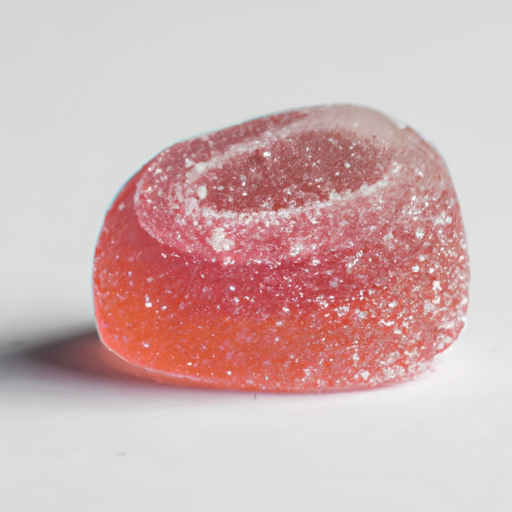
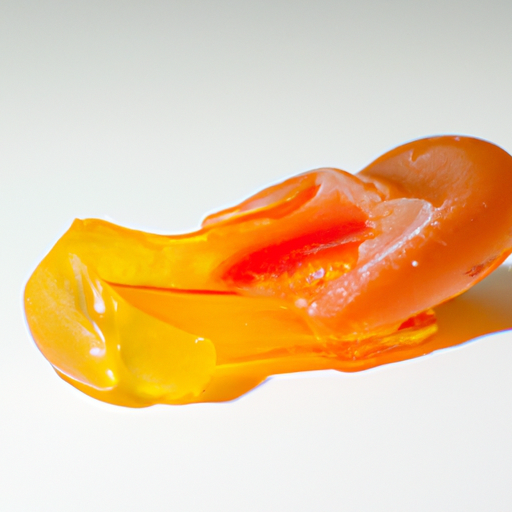
This food is often safe when handled and stored properly, but safety depends on how it's been kept and whether any spoilage signs are present.
⏱️ Safe for up to 30 days after expiry if properly stored and showing no spoilage signs.
Get a yes / no answer for your gummi candy →
Pantry
65°F (18°C)
Keep in original packaging or airtight container to prevent drying out
365 days
Texture hardening, loss of flavor, discoloration
Decorating cakes, cupcakes, or cookies
Gummi candy typically does not have a strict expiration date like perishable foods, but it can lose its best quality over time. The expiration date on the packaging is more about quality rather than safety. As gummi candy ages, it may become hard, stale, or lose its flavor and texture. To enjoy the best quality, it's recommended to consume gummi candy within 6-12 months of purchase. Storing it properly can help maintain its freshness and taste.
If Gummi Candy has gone bad, it may appear discolored or have a white film on the surface. It might also have a strange or off-putting odor. Additionally, the texture of the candy may become hardened or sticky instead of soft and chewy.
Gummi candy is generally considered safe to consume, but there are some potential risks to be aware of. One risk is choking, especially for young children or those who have difficulty chewing. It's important to consume gummi candy in moderation to avoid consuming excessive sugar and calories, which can contribute to health issues like obesity and tooth decay. Additionally, individuals with allergies to certain ingredients used in gummi candy should read the labels carefully to avoid allergic reactions.
To keep gummi candy fresh and enjoyable for longer, it's important to store it properly. Store gummi candy in a cool, dry place away from direct sunlight and heat sources to prevent melting or sticking together. It's best to keep gummi candy in a sealed container or resealable bag to maintain its texture and flavor. If gummi candy becomes too hard or stale, you can try placing it in a sealed container with a slice of bread or a damp paper towel to help soften it back to its original chewy consistency.
Gummi candy holds a special place in popular culture and is beloved by people of all ages around the world. The concept of gummi candy originated in Germany in the early 20th century, and it quickly gained popularity for its unique chewy texture and fruity flavors. In many countries, gummi candy is associated with childhood nostalgia and is often featured in movies, TV shows, and advertisements. Some cultures even have specific traditions or celebrations that involve the sharing and enjoyment of gummi candy.
Gummi Candy is safe to eat if stored in a warm environment for a short period, like a day or two. However, prolonged exposure to heat may affect the texture and taste. Check for any changes in color, consistency, or flavor before consuming.
When stored in a sealed plastic bag in a pantry, Gummi Candy can last up to 365 days, maintaining its quality. Ensure the bag is airtight to prevent moisture absorption, which can lead to gumminess or mold growth.
Avoid storing Gummi Candy next to sticky foods like caramel or chocolate as they can cause cross-contamination, altering the texture or taste. If they come in contact, check for any unusual changes and consider discarding if there are signs of contamination.
Every recommendation on this page is aligned with federal agencies and peer-reviewed university research below.
Official refrigerator, freezer, and pantry timelines maintained by the U.S. Department of Agriculture.
Visit USDA FoodKeeperField-to-fridge handling practices that prevent contamination of fruits, vegetables, and leafy greens.
Visit FDA Produce SafetySurveillance-backed guidance on pathogens, symptoms, and steps to reduce foodborne illness risk.
Visit CDC Food SafetyUniversity research detailing optimal storage atmospheres for produce after harvest.
Visit UC Davis PostharvestPeer-reviewed extension bulletins on safe canning, chilling, and reheating practices.
Visit Penn State ExtensionImportant: These are general guidelines based on authoritative sources listed above. Always use your best judgment and when in doubt, throw it out.