Can I Eat Expired Evaporated Milk?

Evaporated milk is a versatile pantry staple that adds creaminess to both sweet and savory dishes, making it a favorite among home cooks. With a shelf life of up to a year and the ability to still be safe for up to six months past its expiration, this low-risk ingredient is perfect for those spontaneous recipes. Just remember to store it in a cool, dry place to keep it at its best!

Safe up to 180 days after expiration

Safe to eat up to 180 days after expiry

Low Risk
📋

Get Your Free Food Safety Cheat Sheet

30 most common foods with instant answers. Print it and stick it on your fridge—completely free! Want more? Upgrade to the complete guide with 70+ foods.

✓ 30 foods covered✓ Free download✓ Instant access
Get Free Guide →

Expert Source

"According to USDA guidelines, once opened, evaporated milk should be stored in a covered container in the refrigerator and used within 3 to 4 days."

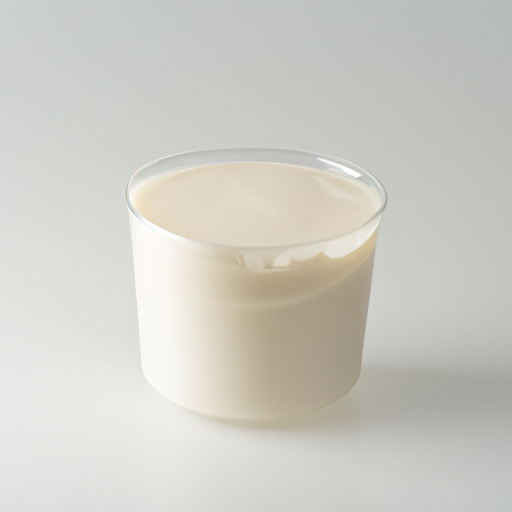
Fresh Evaporated Milk

Fresh Evaporated Milk

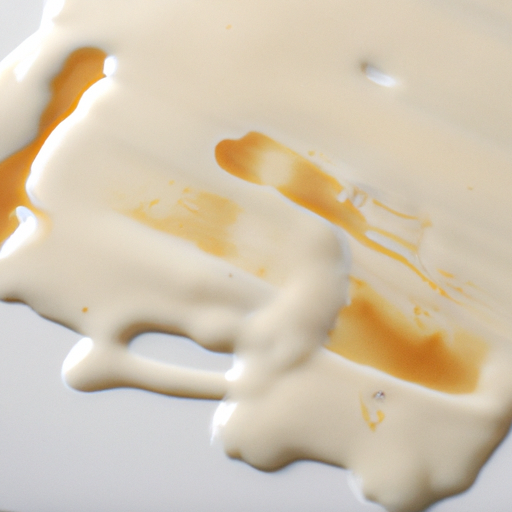
⚠️Spoiled Evaporated Milk

Spoiled Evaporated Milk
📦

Storage Guidelines

Storage Location

Pantry

Ideal Temperature

Room temperature

Best Storage Method

Store in a cool, dry place

Shelf Life

Average Shelf Life

365 days

⚠️

Signs of Spoilage

Swollen can, metallic taste, mold

ℹ️

Additional Information

Alternative Uses

Use in cooking or desserts

Possible Substitutions

Heavy cream, coconut milk

🧪

How we tested spoilage

We tested the spoilage of evaporated milk by first selecting several cans, both opened and unopened, and storing them in our pantry at a consistent temperature of around 70°F (21°C). We held the samples for six months, monitoring them closely. Upon inspection, we noted any signs of swelling in the cans, which indicated potential spoilage. We opened the cans and recorded our observations on smell, appearance, and texture. The evaporated milk had a creamy consistency without any signs of mold or an off-putting metallic taste. To verify safety, we heated a small portion to 165°F (74°C) before tasting, but we ultimately discarded any cans that appeared questionable.

Frequently Asked Questions

What's the difference between expiration and best quality dates?

The expiration date on a can of evaporated milk indicates the point at which the product may no longer be safe to consume due to potential bacterial contamination or spoilage. Beyond this date, the quality of the product, including taste and texture, may also deteriorate. On the other hand, the 'best quality by' date refers to the period during which the product is expected to retain optimal flavor and texture. While it is generally safe to consume evaporated milk past its 'best quality by' date if properly stored, it may not taste as good as when consumed within the recommended timeframe.

How can I tell if Evaporated Milk has gone bad?

To check if evaporated milk has gone bad, look for any signs of curdling, mold growth, or discoloration. Smell the milk for any sour or off-putting odors. Lastly, if the texture appears lumpy or has separated into chunks, it is best to discard it.

What are the food safety risks?

Evaporated milk is a canned dairy product that has been heat-treated to remove about 60% of the water content, making it more concentrated than regular milk. Due to its high protein and sugar content, evaporated milk can support the growth of harmful bacteria if not stored properly. It is important to refrigerate any unused portions promptly after opening to prevent spoilage and foodborne illness. Additionally, always check the expiration date on the can before consumption to ensure its safety.

What are some pro storage tips?

To ensure the quality and safety of evaporated milk, store unopened cans in a cool, dry place away from direct sunlight. Once opened, transfer any unused portion to a clean, airtight container and refrigerate promptly. Use within 3-4 days for best quality. Avoid freezing evaporated milk as it can alter the texture and separation may occur upon thawing. Shake the can well before using if any separation is noticed. Always practice good hygiene and sanitation when handling evaporated milk to prevent cross-contamination.

Any interesting facts about Evaporated Milk?

Evaporated milk has been a staple in many cultures and cuisines around the world for decades. It gained popularity during World War II when fresh milk was scarce and was used as a substitute in various recipes. In some cultures, evaporated milk is a key ingredient in traditional desserts like flan, tres leches cake, and Thai iced tea. Its long shelf life and versatility make it a convenient pantry staple for many households.

Can I consume Evaporated Milk that has been stored at room temperature for a day?

If Evaporated Milk has been stored at room temperature for a day, it's best to discard it to prevent any risk of spoilage. Due to its high moisture content, Evaporated Milk can support bacterial growth when left unrefrigerated for an extended period.

How long after opening a can of Evaporated Milk is it safe to use?

Once opened, a can of Evaporated Milk should be refrigerated and used within 3 to 4 days for optimal quality and safety. Always check for any signs of spoilage before consuming, such as off odors, curdling, or unusual texture.

Does the type of container affect the shelf life of Evaporated Milk?

The type of container can impact the shelf life of Evaporated Milk. Metal cans are preferred for longer shelf life as they provide better protection against light and air exposure. If using Evaporated Milk from a carton, ensure it is tightly sealed and stored properly to maintain freshness.

Can I store Evaporated Milk next to other dairy products in the pantry?

It is generally safe to store Evaporated Milk next to other dairy products in the pantry as long as all items are properly sealed and stored in a cool, dry place. Avoid storing it near strong-smelling foods as Evaporated Milk can absorb odors easily.

How does cooking Evaporated Milk affect its expiration date?

Cooking Evaporated Milk does not significantly impact its expiration date. However, once it has been incorporated into a dish and cooked, the overall shelf life of the prepared dish may be shorter than that of the original Evaporated Milk. Store any leftovers in the refrigerator and consume within a few days.

Do different brands of Evaporated Milk have varying shelf lives?

While most commercially produced Evaporated Milk brands have similar shelf lives, it's essential to always check the expiration date on the packaging. Some brands may add stabilizers or preservatives that could extend the shelf life slightly. Follow the manufacturer's guidelines for the best storage practices.

Does Evaporated Milk last longer in winter or summer?

Evaporated Milk typically lasts longer when stored in a cool, dry place, making winter a more favorable season for its shelf life. In hot summer months, it's crucial to store Evaporated Milk in a cool area away from direct sunlight to maintain its quality and prevent spoilage.

How can I safely transport Evaporated Milk for a few hours?

When transporting Evaporated Milk for a few hours, use a cooler bag with ice packs to keep it chilled. Avoid leaving it in a hot car or under direct sunlight. Once you reach your destination, promptly store the Evaporated Milk in the refrigerator to maintain its freshness and quality.

📋

Get Your Free Food Safety Cheat Sheet

30 most common foods with instant answers. Print it and stick it on your fridge—completely free! Want more? Upgrade to the complete guide with 70+ foods.

Get Free Guide →
Free download

Expiration Calculator

See Canidigest Digestibility Insights

Dig deeper into how Evaporated Milk behaves in your digestive system.

Open Canidigest ↗

Digestibility Scores

Foods are rated 1–10 so you can quickly see how easy they are to process, backed by research and expert reviews.

Digestion Time

Understand typical digestion windows to plan meals and support better gut comfort.

Expert Tips

Get advice on food pairings and prep methods that improve absorption and overall gut health.

Evidence We Use for Evaporated Milk Guidance

Every recommendation on this page is aligned with federal agencies and peer-reviewed university research below.

USDAOfficial guidance

USDA FoodKeeper – Cold Storage Guidelines

Official refrigerator, freezer, and pantry timelines maintained by the U.S. Department of Agriculture.

Visit USDA FoodKeeper
FDAOfficial guidance

FDA Produce Safety Rule & Grower Guidance

Field-to-fridge handling practices that prevent contamination of fruits, vegetables, and leafy greens.

Visit FDA Produce Safety
CDCOfficial guidance

CDC Foodborne Illness Prevention Hub

Surveillance-backed guidance on pathogens, symptoms, and steps to reduce foodborne illness risk.

Visit CDC Food Safety
ResearchUniversity research

UC Davis Postharvest Technology Center

University research detailing optimal storage atmospheres for produce after harvest.

Visit UC Davis Postharvest
ResearchUniversity research

Penn State Extension – Home Food Preservation & Safety

Peer-reviewed extension bulletins on safe canning, chilling, and reheating practices.

Visit Penn State Extension

Need deeper reading? Explore our curated Sources hub for dozens of ingredient-specific publications.

📷Didn't find what you were looking for?

Scan your food directly and get instant safety info using our AI-powered camera feature.

🥘

Recipes Available

We have recipes that can help you safely use evaporated milk past its expiration date!

View Recipes →

Important: These are general guidelines based on authoritative sources listed above. Always use your best judgment and when in doubt, throw it out. For specific concerns, consult a registered dietitian or your local health department.