USDAOfficial guidance
USDA FoodKeeper – Cold Storage Guidelines
Official refrigerator, freezer, and pantry timelines maintained by the U.S. Department of Agriculture.
Visit USDA FoodKeeperLast reviewed: January 2026
Reviewed by the Can I Eat Expired Editorial Team using official USDA, FDA, and CDC food safety guidance. How we assess food safety risk
This food is often safe when handled and stored properly, but safety depends on how it's been kept and whether any spoilage signs are present.
⏱️ Safe for up to 30 days after expiry if properly stored and showing no spoilage signs.
Storage conditions, initial freshness, and proper handling change the answer — and those details are easy to miss.
Get a yes / no answer for your chips un bag →
Check Your Exact Situation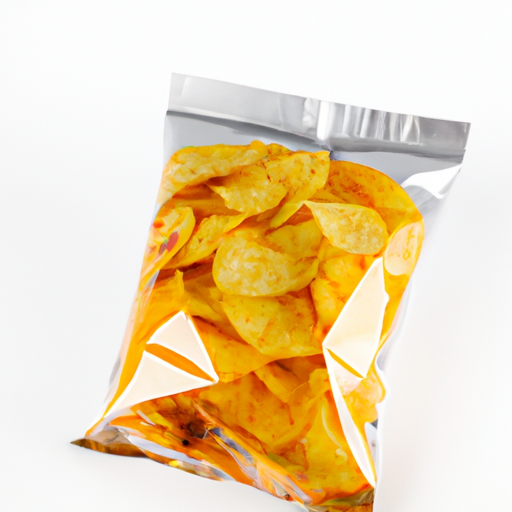
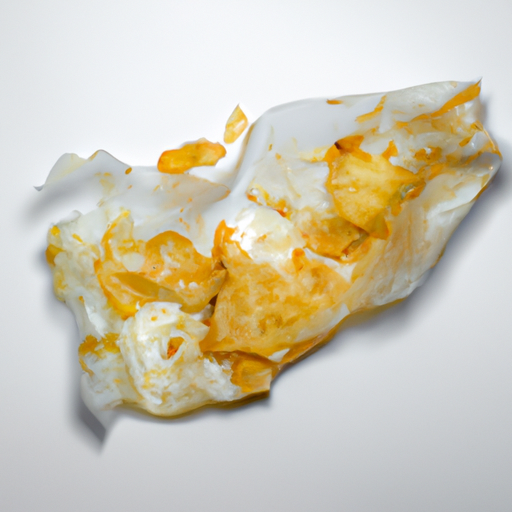
Pantry
60-75°F (15-24°C)
Keep in original sealed bag
90 days
Stale smell, oily appearance, off taste
Crush and use as a topping for casseroles, salads
Chips in unopened bags have a long shelf life due to their low moisture content and high salt content, which act as preservatives. However, over time, the chips may become stale and lose their crunchiness. While they may still be safe to eat past the expiration date, the quality and taste may diminish. It's important to distinguish between expiration dates for safety reasons and best quality dates for optimal taste.
To check if an unopened bag of chips has gone bad, look for any signs of mold, discoloration, or an off smell coming from the package. Additionally, if the chips feel unusually soft, soggy, or have lost their crunchiness, they may be stale and no longer safe to eat.
Chips in unopened bags are generally safe to consume, but there is a risk of contamination if the packaging is compromised. Common pathogens include mold, which can develop in humid environments. To reduce the risk of foodborne illness, store the chips in a cool, dry place away from direct sunlight. High-risk scenarios involve storing the chips near sources of heat or moisture, such as ovens or sinks.
To maintain the freshness of unopened chip bags, roll down the top tightly and secure it with a clip to prevent air exposure. For optimal crunchiness, store the chips in an airtight container after opening. If the chips become stale, you can revive them by placing them in the oven at a low temperature for a few minutes. Avoid storing chips in the refrigerator, as the moisture can make them soggy.
Potato chips, a popular snack worldwide, were invented in 1853 by Chef George Crum at Moon's Lake House in Saratoga Springs, New York. They gained widespread popularity during the Great Depression and are now a staple in many cultures. In the United Kingdom, 'crisps' are the preferred term for chips. In Japan, unique flavors like wasabi and seaweed are common.
While Chips Unopened Bag has a shelf life of 90 days, it may still be safe to consume for up to 30 days after the expiry date if it shows no signs of spoilage. Check for any changes in color, texture, or smell before consuming. If in doubt, it's best to discard it to prevent any potential foodborne illnesses.
Once opened, Chips Unopened Bag is best consumed within 7-10 days to ensure freshness and quality. Seal the bag tightly after each use and store it in a cool, dry place to maintain its crispness and flavor.
The type of container can impact the shelf life of Chips Unopened Bag. It's recommended to store Chips Unopened Bag in its original sealed packaging or in an airtight container to maintain its crunchiness and prevent exposure to moisture, air, and odors that can affect its quality.
Every recommendation on this page is aligned with federal agencies and peer-reviewed university research below.
Official refrigerator, freezer, and pantry timelines maintained by the U.S. Department of Agriculture.
Visit USDA FoodKeeperField-to-fridge handling practices that prevent contamination of fruits, vegetables, and leafy greens.
Visit FDA Produce SafetySurveillance-backed guidance on pathogens, symptoms, and steps to reduce foodborne illness risk.
Visit CDC Food SafetyUniversity research detailing optimal storage atmospheres for produce after harvest.
Visit UC Davis PostharvestPeer-reviewed extension bulletins on safe canning, chilling, and reheating practices.
Visit Penn State ExtensionImportant: These are general guidelines based on authoritative sources listed above. Always use your best judgment and when in doubt, throw it out.