USDAOfficial guidance
USDA FoodKeeper – Cold Storage Guidelines
Official refrigerator, freezer, and pantry timelines maintained by the U.S. Department of Agriculture.
Visit USDA FoodKeeperStorage conditions, initial freshness, and proper handling change the answer — and those details are easy to miss.
Last reviewed: January 2026
Reviewed by the Can I Eat Expired Editorial Team using official USDA, FDA, and CDC food safety guidance. How we assess food safety risk
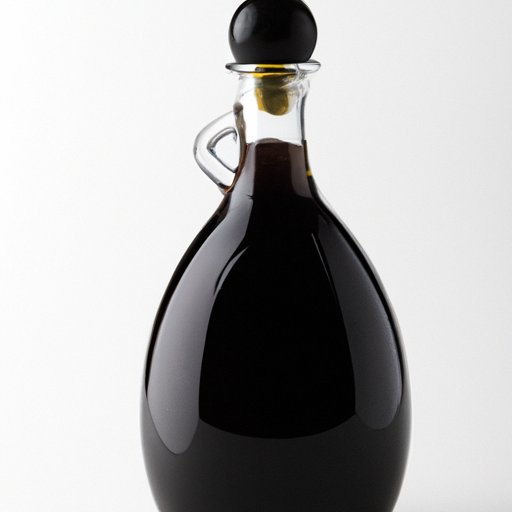
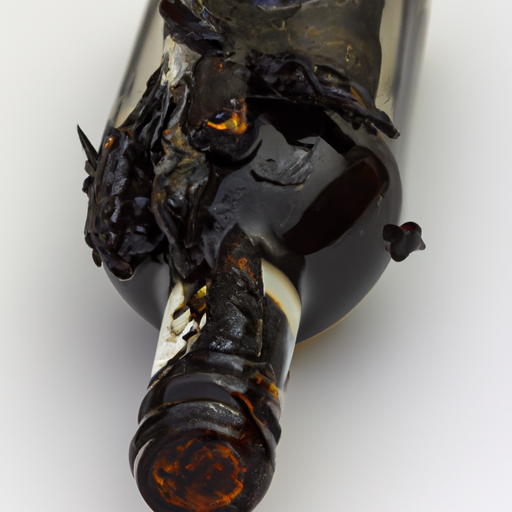
This food is often safe when handled and stored properly, but safety depends on how it's been kept and whether any spoilage signs are present.
⏱️ Safe for up to 730 days after expiry if properly stored and showing no spoilage signs.
Get a yes / no answer for your aged balsamic dop →
Cool Dark Place
59-68°F (15-20°C)
Original bottle, upright position, away from heat and light
Spices lose flavor and potency when exposed to air and moisture. Keeping them sealed in an airtight spice container (Amazon) helps preserve flavor and prevent clumping.
3650 days
Sediment, mold on cork, vinegar smell instead of sweet aroma
Digestive aid, skin toner
Regular balsamic vinegar, reduced wine vinegar
Aged Balsamic DOP does not have a strict expiration date like perishable items. Instead, it has a best-by date that indicates the period during which the product will maintain its peak quality. While it won't necessarily spoil after this date, its flavor and aroma may start to deteriorate over time. It's best to consume it within a year of opening for optimal taste.
To determine if Aged Balsamic Dop has gone bad, look for any signs of mold growth, a cloudy or murky appearance, or a sour smell. Additionally, check for any changes in texture, such as a thicker or slimy consistency, which can indicate spoilage.
Aged Balsamic DOP is a high-acid product with low water activity, making it less susceptible to bacterial growth. However, it is still important to store it properly to avoid contamination. Improper storage may lead to mold growth or changes in flavor and quality.
To preserve the quality of Aged Balsamic DOP, store it in a cool, dark place away from direct sunlight and heat sources. Seal the bottle tightly after each use to prevent oxidation. Avoid storing it near strong-smelling foods as it can absorb odors. If you notice any sediment or cloudiness in the vinegar, it is a natural occurrence due to aging and does not indicate spoilage. Simply shake the bottle gently before use.
Balsamic vinegar has a rich history dating back to ancient Rome, where it was prized for its medicinal properties. True Traditional Balsamic Vinegar of Modena (DOP) is made from grape must aged in wooden barrels for a minimum of 12 years, resulting in a complex, sweet-tart flavor profile. It is a staple in Italian cuisine and is often used as a finishing touch on dishes like Parmigiano Reggiano or fresh strawberries.
It's safe to store Aged Balsamic Dop next to other condiments in the pantry as long as they are properly sealed and there is may be safe if properly stored of cross-contamination. Ensure the bottles are tightly closed to prevent any flavors from mixing.
Exposure to sunlight can degrade the quality of Aged Balsamic Dop over time. It's best to store it in a cool, dark place to maintain its flavor and consistency. Prolonged exposure to sunlight may alter the taste and color of the balsamic vinegar.
Cooking with Aged Balsamic Dop doesn't significantly impact its expiration date or safety. However, high heat can alter the flavor profile of the vinegar. If using it for cooking, consider adding it towards the end of the cooking process to preserve its taste.
Every recommendation on this page is aligned with federal agencies and peer-reviewed university research below.
Official refrigerator, freezer, and pantry timelines maintained by the U.S. Department of Agriculture.
Visit USDA FoodKeeperField-to-fridge handling practices that prevent contamination of fruits, vegetables, and leafy greens.
Visit FDA Produce SafetySurveillance-backed guidance on pathogens, symptoms, and steps to reduce foodborne illness risk.
Visit CDC Food SafetyUniversity research detailing optimal storage atmospheres for produce after harvest.
Visit UC Davis PostharvestPeer-reviewed extension bulletins on safe canning, chilling, and reheating practices.
Visit Penn State ExtensionImportant: These are general guidelines based on authoritative sources listed above. Always use your best judgment and when in doubt, throw it out.
Disclosure: As an Amazon Associate, we earn from qualifying purchases. This helps support our site and allows us to continue providing free food safety information.