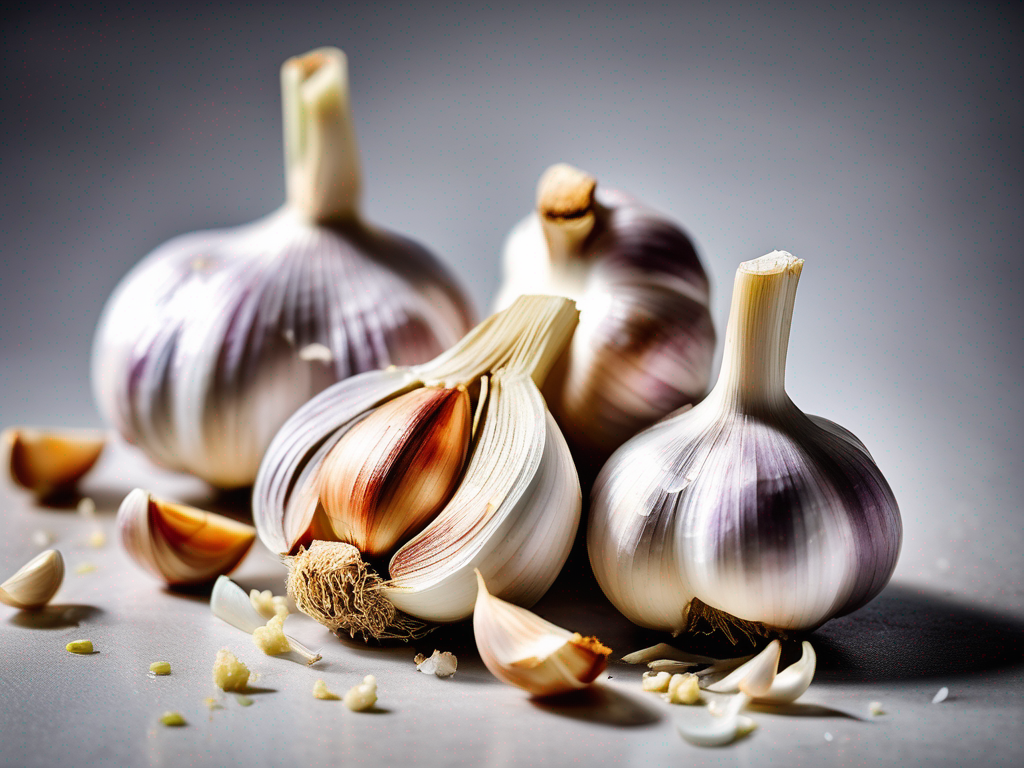
Maximizing Freshness: How to Store Chopped Garlic
CanIEatExpired.com Team
# Maximizing Freshness: How to Store Chopped Garlic

Garlic is a staple ingredient in many cuisines around the world, known for its pungent flavor and numerous nutritional quality. Whether you're a home cook or a professional chef, having chopped garlic on hand can save time in the kitchen. However, proper storage is essential to maintain its freshness and flavor. In this blog post, we will explore the best practices for storing chopped garlic to ensure it stays fresh for as long as possible. ([Garlic](https://canieatexpired.com/food/garlic))

## Why Proper Storage Matters

[Garlic](/food/garlic) contains natural oils that can quickly turn rancid when exposed to air and moisture. Improper storage can lead to garlic losing its flavor, aroma, and potentially even becoming unsafe to consume. By following the right storage techniques, you can prolong the shelf life of chopped garlic and preserve its quality.

### The Science Behind Garlic Storage

Garlic contains allicin, a compound that gives it its distinctive smell and taste. When garlic is chopped or minced, more of this compound is released, enhancing its flavor but also making it more susceptible to oxidation. The exposure to air can lead to a breakdown of these compounds, diminishing the garlic's potent flavor and nutritional quality. By sealing it away from air, you can help maintain the integrity of these compounds, keeping your garlic flavorful and safe to use.

## Storing Chopped Garlic: Step-by-Step Guide

### 1. Prepare the Garlic

Before storing chopped garlic, it's essential to prepare it correctly:

1. Peel the garlic cloves.
2. Chop or mince the garlic into the desired size.

### 2. Choose the Right Container

Selecting the appropriate container is crucial for storing chopped garlic:

- Use an airtight container to prevent air exposure.
- Opt for glass or BPA-free plastic containers to avoid any chemical leaching.

### 3. Add Oil or Salt

Adding oil or salt can help preserve chopped garlic:

- Cover the chopped garlic with olive oil or vegetable oil.
- Sprinkle a pinch of salt over the chopped garlic to help extend its shelf life.

### 4. Store in the Refrigerator

Proper refrigeration is key to maintaining the freshness of chopped garlic:

- Place the airtight container in the refrigerator.
- Store the chopped garlic in the refrigerator's vegetable crisper drawer for optimal humidity levels.

### 5. Monitor and Rotate

To ensure maximum freshness, keep an eye on your chopped garlic:

- Check for any signs of spoilage, such as discoloration or a foul odor.
- Use and rotate the chopped garlic within a reasonable timeframe to prevent waste.

## common situation

Imagine you’ve just come home from a busy day at work, and you want to whip up a quick pasta dish. You reach for the jar of pre-chopped garlic you made over the weekend, only to find that it has turned a strange color and smells off. If only you had stored it correctly!

In another case, a friend of mine, Sam, loves to cook and often preps large batches of chopped garlic for meal prep. He recently learned that he should be storing his garlic in oil rather than just in a container, which not only keeps it fresh but also makes it easier to use right away. Now, he always has perfectly preserved garlic ready for any recipe.

## Safety Tips for Storing Chopped Garlic

When storing chopped garlic, it's essential to prioritize food safety. Here are some safety tips to keep in mind:

- Wash your hands thoroughly before handling garlic to prevent contamination.
- Use clean utensils and cutting boards when chopping garlic to avoid cross-contamination.
- Label the container with the date when you chopped the garlic to track its freshness.

### Important Cautions

It's crucial to be aware of the risks associated with storing chopped garlic, especially when using oil. Garlic stored in oil can create an ideal environment for botulism, a rare but serious illness caused by bacteria. To mitigate this risk, keep the garlic in the refrigerator and use it within a week or two. If you're unsure about the garlic's safety, trust your senses — if it looks or smells off, it's better to err on the side of caution and discard it.

## Common Mistakes to Avoid

Even seasoned cooks can make mistakes when it comes to storing chopped garlic. Here are some pitfalls to watch out for:

1. **Leaving Garlic at Room Temperature**: Many people mistakenly believe that garlic can be left out on the counter without any issues. However, chopped garlic should always be refrigerated to prevent spoilage.

2. **Not Using an Airtight Container**: Some might think that any container will do, but using a non-airtight container allows air to degrade the garlic's quality. Always go for airtight!

3. **Overlooking the Signs of Spoilage**: If you notice any dark spots, an unusual odor, or a slimy texture, it’s time to toss the garlic. Trust your instincts — don't risk your health!

## Expert Insights

Food safety experts recommend that for optimal freshness, chopped garlic should be used within one week when stored in oil. If you want to extend its shelf life, consider freezing it. Just scoop portions of chopped garlic into an ice cube tray, cover it with water or oil, and freeze. Once frozen, transfer the cubes to a freezer-safe bag or container. This method allows you to pull out just the right amount of garlic for your meals.

## Additional Storage Methods

### Freezing Chopped Garlic

If you find yourself with an abundance of garlic, freezing is an excellent option. Here’s how you can do it effectively:

- **Prep the Garlic**: Chop your garlic as usual.
- **Portion Control**: Use ice cube trays to portion out the chopped garlic. You can mix it with oil for added flavor.
- **Freeze**: Place the trays in the freezer until the garlic is solid.
- **Transfer**: Once frozen, pop the cubes out and transfer them to a freezer bag. Label the bag with the date.

Frozen garlic can retain its flavor for up to six months, allowing you to have fresh-tasting garlic on hand whenever you need it.

### Dehydrating Garlic

Another option is to dehydrate chopped garlic. This method reduces moisture and helps prevent spoilage:

1. **Spread the Chopped Garlic**: Spread the chopped garlic onto a dehydrator tray or a baking sheet lined with parchment paper.
2. **Set the Dehydrator**: If using a dehydrator, set it to 125°F (52°C) and let it run for several hours until the garlic is completely dry.
3. **Store**: Once dried, store it in an airtight container in a cool, dark place.

Dehydrated garlic can be rehydrated in recipes or used as a seasoning without the risk of spoilage.

## Conclusion

Proper storage is crucial for maintaining the freshness and quality of chopped garlic. By following the steps outlined in this guide, you can extend the shelf life of chopped garlic and enjoy its flavor in your culinary creations for longer. Remember to choose the right container, add oil or salt, refrigerate the garlic, and monitor its freshness regularly. With these tips in mind, you can make the most of your chopped garlic and elevate your dishes with its aromatic flavor. ([Garlic](https://canieatexpired.com/food/garlic))

## Related Posts

Here are some other articles you might find helpful:

- [Making the Most of Leftover Ginger Paste: Tips for Commercially Packaged Opened Paste](/blog/best-ways-to-use-up-leftover-ginger-paste-commercially-packaged-opened-before-it-goes-bad)
- [The Ultimate Guide to Storing Frozen Zucchini Noodles for Maximum Freshness](/blog/how-to-store-frozen-zucchini-noodles-for-maximum-freshness)
- [Innovative Ways to Repurpose Leftover Gherkin Pickles Commercially Jarred Sold Unrefrigerated Opened](/blog/innovative-ways-to-repurpose-leftover-gherkin-pickles-commercially-jarred-sold-unrefrigerated-opened-before-it-goes-bad)
- [How to Store Garlic Paste Commercially Packaged Unopened for Long-Lasting Freshness](/blog/how-to-store-garlic-paste-commercially-packaged-unopened-for-long-lasting-freshness)
- [How to Store Garlic Powder to Extend Its Shelf Life](/blog/how-to-store-garlic-powder-to-extend-its-shelf-life)
Authoritative Food Safety References
These agencies and university labs inform every tip and health precaution we publish.
USDAOfficial guidance
USDA FoodKeeper – Cold Storage Guidelines
Official refrigerator, freezer, and pantry timelines maintained by the U.S. Department of Agriculture.
Visit USDA FoodKeeperFDAOfficial guidance
FDA Produce Safety Rule & Grower Guidance
Field-to-fridge handling practices that prevent contamination of fruits, vegetables, and leafy greens.
Visit FDA Produce SafetyCDCOfficial guidance
CDC Foodborne Illness Prevention Hub
Surveillance-backed guidance on pathogens, symptoms, and steps to reduce foodborne illness risk.
Visit CDC Food SafetyResearchUniversity research
UC Davis Postharvest Technology Center
University research detailing optimal storage atmospheres for produce after harvest.
Visit UC Davis PostharvestResearchUniversity research
Penn State Extension – Home Food Preservation & Safety
Peer-reviewed extension bulletins on safe canning, chilling, and reheating practices.
Visit Penn State ExtensionDisclosure: As an Amazon Associate, we earn from qualifying purchases. This helps support our site and allows us to continue providing free food safety information.
Our articles are created using a combination of AI assistance and human review. All food safety information is based on USDA guidelines and credible sources. Learn more about our review process here.