How to Store Garlic Powder to Extend Its Shelf Life
How to Store Garlic Powder to Extend Its Shelf Life
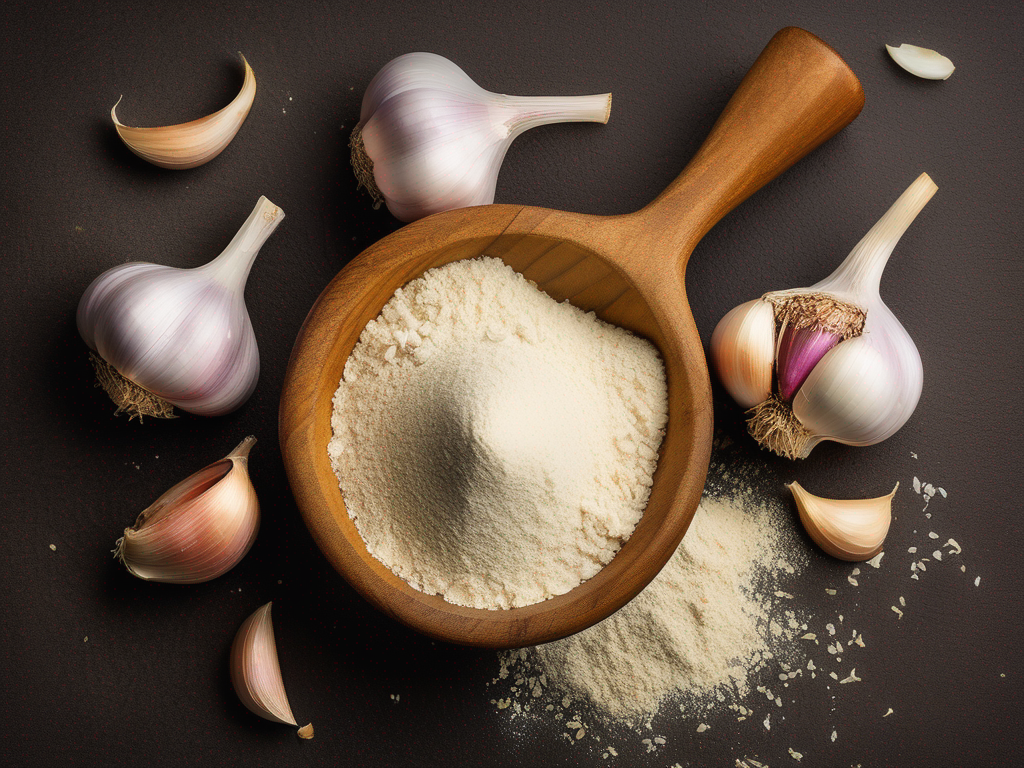
Garlic powder is a versatile ingredient that can add flavor and aroma to a wide variety of dishes, from soups and stews to marinades and sauces. However, like all spices, garlic powder can lose its potency and flavor over time if not stored properly. In this blog post, we will discuss the best practices for storing garlic powder to extend its shelf life and ensure that it remains fresh and flavorful for as long as possible. (Garlic powder)
Why Proper Storage of Garlic Powder is Important
Properly storing garlic powder is essential for maintaining its flavor, aroma, and quality. When exposed to air, light, heat, and moisture, garlic powder can lose its potency and flavor more quickly. Storing garlic powder in the right conditions can help prevent it from becoming stale, clumping, or developing off-flavors.
Factors that Affect the Shelf Life of Garlic Powder
Several factors can affect the shelf life of garlic powder, including:
Dairy products require consistent cold storage to prevent spoilage and bacterial growth. A refrigerator thermometer (Amazon) helps ensure your refrigerator maintains safe temperatures (40°F or below).
- Exposure to air
- Exposure to light
- Exposure to heat
- Exposure to moisture
- Quality of the garlic powder
By taking steps to address these factors, you can help prolong the shelf life of your garlic powder and ensure that it remains fresh and flavorful for longer.
Best Practices for Storing Garlic Powder
To extend the shelf life of your garlic powder, follow these best practices for proper storage:
1. Choose the Right Container
- Store garlic powder in an airtight container to prevent exposure to air and moisture.
- Opt for a dark-colored container to protect the garlic powder from light, which can degrade its flavor and aroma.
- Glass containers with tight-fitting lids are ideal for storing garlic powder, as they are non-reactive and do not absorb odors.
2. Store in a Cool, Dark Place
- Keep garlic powder in a cool, dark place away from heat sources such as the stove or oven.
- Avoid storing garlic powder near windows or other sources of light, as exposure to light can cause it to lose flavor and potency.
3. Keep Away from Moisture
- Store garlic powder in a dry environment to prevent clumping and preserve its flavor.
- Avoid storing garlic powder near the sink or dishwasher, where it may be exposed to moisture.
4. Label and Date the Container
- Clearly label the container with the date of purchase or expiration to track the freshness of the garlic powder.
- Use a permanent marker or label maker to ensure that the information remains legible over time.
5. Rotate Stock Regularly
- Use older containers of garlic powder first to ensure that you are always using the freshest product.
- Rotate your stock regularly to prevent garlic powder from sitting unused for extended periods.
common situation
Let’s explore a couple of common situation where proper storage of garlic powder made a difference.
After opening, transferring dairy into an airtight container (Amazon) can reduce odor absorption, limit moisture exposure, and help slow bacterial growth.
situation 1: The Busy Home Cook
Many home cooks, like Sarah, love to experiment with flavors. After a recent grocery trip, she purchased a large container of garlic powder, envisioning all the delicious dishes she would create. However, she stored it in her kitchen cabinet above the stove, where the heat from cooking frequently fluctuated.
Over a few months, Sarah noticed that her once fragrant garlic powder had lost its flavor. She ended up tossing it out, frustrated that her meals lacked the punch she had anticipated. If Sarah had stored her garlic powder in a cool, dark cupboard away from heat, she could have preserved its flavor and enjoyed many more delicious meals.
situation 2: The Baker's Delight
Tom, an avid baker, often incorporates garlic powder into savory breads. He kept his garlic powder in a well-sealed container but stored it in a drawer under the sink, where moisture sometimes lingered after washing dishes. One day, he opened his container only to find clumps forming, making it difficult to measure and incorporate into his dough.
If Tom had placed the garlic powder in a dry pantry instead, away from any moisture, he would have maintained its freshness and avoided a baking mishap.
Scientific Context
Understanding the science behind how garlic powder degrades can help us appreciate why proper storage is essential. Garlic powder contains compounds such as allicin, which contribute to its pungent flavor and aroma. Over time, exposure to air and moisture can lead to oxidation and hydrolysis, breaking down these compounds and resulting in a bland flavor.
Research suggests that spices, including garlic powder, can retain their potency for up to three years when stored correctly. However, beyond that timeframe, they can lose significant flavor; hence, it's crucial to pay attention to storage conditions.
Common Mistakes in Storing Garlic Powder
Even seasoned cooks can overlook essential storage practices. Here are some common mistakes people make when storing garlic powder:
- Using Non-Airtight Containers: Many believe that simply closing the lid is enough. However, if the container isn't airtight, air will seep in, leading to oxidation.
- Storing in Clear Containers: Some people prefer clear containers for aesthetic reasons, but this exposes your garlic powder to light, which can degrade its quality.
- Ignoring Expiration Dates: Just because garlic powder seems fine doesn’t mean it's still effective. Many overlook expiration dates, thinking spices can last forever.
Practical Tips for Garlic Powder Storage
Here are additional practical tips to ensure your garlic powder remains fresh and flavorful:
- Desiccant Use: Consider adding a small food-safe desiccant packet to your garlic powder container. This can help absorb any excess moisture that might sneak in.
- Avoiding Cross-Contamination: Always use a clean, dry spoon to scoop out garlic powder. Introducing moisture or other spices can lead to clumping or spoilage.
- Repackaging: If you buy garlic powder in bulk, consider repackaging it into smaller containers. This way, the main supply remains sealed while you use a smaller portion regularly.
- Mind the Temperature: If your kitchen tends to get warm, think about storing your garlic powder in a cool area of your house, like a basement or cellar, if available.
Expert Insights
Food safety experts recommend regularly assessing your pantry for spices and herbs. According to the USDA, dried spices and herbs can lose flavor over time but remain safe to consume beyond their expiration dates. If garlic powder loses its aroma or flavor, it’s a sign you should replace it, as it won't provide the intended taste in your dishes.
Additionally, professional chefs emphasize the importance of quality when purchasing spices. Opt for reputable brands that have a good turnover rate, ensuring freshness when you buy them.
Safety Warnings
When handling garlic powder, it's crucial to be aware of allergies and sensitivities. People with garlic allergies should avoid any products containing garlic powder altogether. Furthermore, if you notice any unusual odors or discoloration in your garlic powder, it's better to err on the side of caution and discard it.
Conclusion
Properly storing garlic powder is essential for maintaining its flavor, aroma, and quality over time. By following the best practices outlined in this blog post, you can extend the shelf life of your garlic powder and ensure that it remains fresh and flavorful for longer. Remember to choose the right container, store in a cool, dark place, keep away from moisture, label and date the container, and rotate stock regularly. By taking these simple steps, you can enjoy the full flavor and aroma of garlic powder in your favorite dishes for months to come. (Garlic powder)
Related Posts
Here are some other articles you might find helpful:
Authoritative Food Safety References
These agencies and university labs inform every tip and health precaution we publish.
USDA FoodKeeper – Cold Storage Guidelines
Official refrigerator, freezer, and pantry timelines maintained by the U.S. Department of Agriculture.
Visit USDA FoodKeeperFDA Produce Safety Rule & Grower Guidance
Field-to-fridge handling practices that prevent contamination of fruits, vegetables, and leafy greens.
Visit FDA Produce SafetyCDC Foodborne Illness Prevention Hub
Surveillance-backed guidance on pathogens, symptoms, and steps to reduce foodborne illness risk.
Visit CDC Food SafetyUC Davis Postharvest Technology Center
University research detailing optimal storage atmospheres for produce after harvest.
Visit UC Davis PostharvestPenn State Extension – Home Food Preservation & Safety
Peer-reviewed extension bulletins on safe canning, chilling, and reheating practices.
Visit Penn State ExtensionDisclosure: As an Amazon Associate, we earn from qualifying purchases. This helps support our site and allows us to continue providing free food safety information.