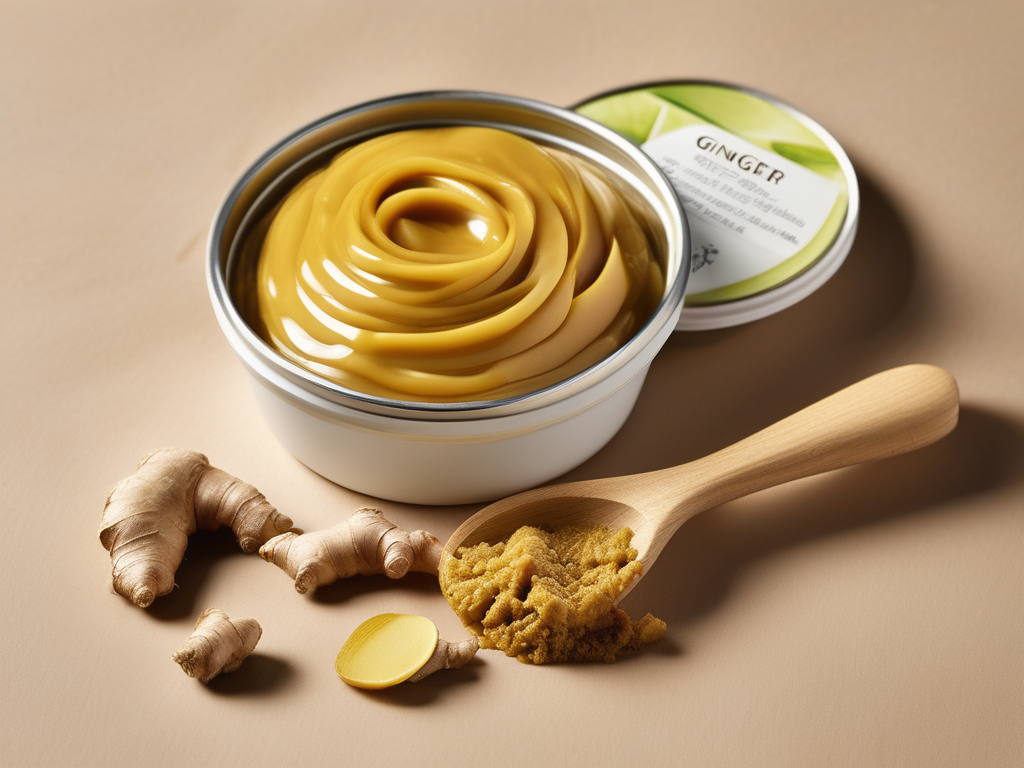
Making the Most of Leftover Ginger Paste: Tips for Commercially Packaged Opened Paste
CanIEatExpired.com Team
# Making the Most of Leftover Ginger Paste: Tips for Commercially Packaged Opened Paste

Ginger paste is a versatile ingredient that adds a unique flavor and aroma to various dishes. However, once you open a commercially packaged ginger paste, it's essential to use it up efficiently before it loses its freshness and potency. In this blog post, we'll explore the best ways to utilize leftover ginger paste to prevent wastage while maintaining food safety. ([Ginger paste commercially packaged opened](https://canieatexpired.com/food/ginger-paste-commercially-packaged-opened))

## Understanding Ginger Paste Shelf Life

Before delving into how to use up leftover ginger paste, it's crucial to understand its shelf life. Once you open a commercially packaged ginger paste, it typically lasts for about 2-3 months when stored properly in the refrigerator. However, its quality may start to deteriorate after this period, affecting the taste and aroma of your dishes.

### Signs of Spoiled Ginger Paste

To ensure food safety, always check for the following signs that indicate ginger paste has gone bad:

- Mold growth
- Unpleasant odor
- Change in color or texture

If you notice any of these signs, it's best to discard the ginger paste to avoid foodborne illnesses.

## Creative Ways to Use Leftover Ginger Paste

Now, let's explore some innovative ways to use up leftover ginger paste before it reaches its expiration date:

### 1. Flavorful Marinades and Sauces

- Mix ginger paste with soy sauce, honey, garlic, and lime juice to create a delicious marinade for meats or tofu.
- Blend ginger paste with yogurt, mint, and a pinch of salt to make a refreshing sauce for grilled vegetables or kebabs.

### 2. Enhance Stir-Fries and Curries

- Add a spoonful of ginger paste to stir-fried vegetables or meat for an extra kick of flavor.
- Stir ginger paste into curry sauces or soups to elevate the taste and aroma of your dishes.

### 3. Infused Beverages

- Stir ginger paste into hot water with lemon and honey for a soothing ginger tea.
- Blend ginger paste with pineapple juice and coconut milk for a tropical ginger smoothie.

### 4. Flavorful Dressings and Dips

- Combine ginger paste with sesame oil, rice vinegar, and a touch of sugar for a tangy Asian-inspired salad dressing.
- Mix ginger paste with Greek yogurt, chopped herbs, and lemon juice for a zesty dip for veggies or pita chips.

### 5. Baked Goods and Desserts

- Incorporate ginger paste into cookie or cake batter for a spicy and aromatic twist.
- Stir ginger paste into whipped cream or frosting for a unique flavor profile in desserts.

## common situation: When You Have Leftover Ginger Paste

Many people have found themselves in situations where they have leftover ginger paste after making a specific dish. For instance, Sarah, a young professional, opened a jar of ginger paste to make a stir-fry only to end up with half the jar leftover. Instead of letting it sit in the fridge until it spoiled, she decided to experiment with her favorite smoothie recipe, adding a tablespoon of ginger paste. The result was a refreshing and invigorating drink that helped her kick-start her day.

Similarly, John, a passionate home chef, frequently uses ginger in his Asian dishes. He often opens a new jar but doesn't use it all at once. To avoid waste, he started blending ginger paste into his marinades and even into homemade salad dressings. By doing this, he not only finished the paste but also added a delightful zing to his meals!

## Food Safety Science Behind Ginger Paste

Understanding the science behind food preservation can be incredibly beneficial. Ginger paste, primarily made from fresh ginger, contains compounds like gingerol and shogaol, which are known for their antimicrobial properties. These compounds can help inhibit the growth of certain bacteria, which is why ginger is often revered for its nutritional quality.

However, once the paste is opened, exposure to air can lead to oxidation, reducing its shelf life. This is why proper storage is critical. Keeping it in an airtight container minimizes air exposure and helps maintain its flavor and safety.

### Practical Storage Tips for Ginger Paste

To maximize the shelf life and usability of your ginger paste, consider these practical storage tips:

- **Airtight Containers:** Always transfer the ginger paste into a small, airtight container if it isn’t already. A jar with a tight seal reduces air exposure.
- **Freezing:** If you realize you won’t use the ginger paste in time, consider freezing it. Portion the paste into ice cube trays and freeze. Once frozen, transfer the cubes to a freezer bag. This way, you can easily pop out a cube whenever you need it.
- **Labeling:** Don’t forget to label your containers with the opening date. Using a permanent marker, jot down the date on the lid or container so you can track freshness easily.
- **Cool and Dark Storage:** Always store your ginger paste in the refrigerator or freezer, away from light and heat sources, as these can degrade its quality.

## Common Mistakes People Make with Ginger Paste

Even the best home cooks can fall victim to some common mistakes when it comes to using and storing ginger paste. Here are a few pitfalls to avoid:

- **Using Dirty Utensils:** One of the most common mistakes is using a dirty spoon to scoop out ginger paste. This can introduce bacteria into the jar, speeding up spoilage.
- **Not Securing the Lid Properly:** Failing to close the lid tightly can lead to the paste drying out or absorbing odors from other foods in the fridge.
- **Ignoring Expiry Dates:** Many people overlook the “best before” dates on jars, thinking they can use it indefinitely. Always be mindful of these dates to ensure you’re consuming safe food.

## Expert Insights on Ginger Paste Safety

As a food safety expert, I recommend that consumers always err on the side of caution. If you’re unsure about the freshness of your ginger paste, it’s better to toss it out than to risk foodborne illness. Signs like a sour smell, unusual texture, or separation can indicate that the paste has gone bad.

Additionally, I’ve found that maintaining a clean environment is crucial. Regularly clean your refrigerator and ensure that food items are stored correctly. This habit not only preserves the quality of your ginger paste but also promotes overall food safety in your kitchen.

## Conclusion

In conclusion, leftover ginger paste from commercially packaged containers can be utilized in various creative ways to enhance the flavor of your dishes. By following proper storage practices and safety guidelines, you can make the most of this versatile ingredient before it goes bad. Experiment with different recipes and enjoy the unique taste of ginger in your culinary creations. ([Ginger paste commercially packaged opened](https://canieatexpired.com/food/ginger-paste-commercially-packaged-opened))

## Related Posts

Here are some other articles you might find helpful:

- [How to Store Ginger Paste Commercially Packaged Opened for Extended Freshness](/blog/how-to-store-ginger-paste-commercially-packaged-opened-for-extended-freshness)
Authoritative Food Safety References
These agencies and university labs inform every tip and health precaution we publish.
USDAOfficial guidance
USDA FoodKeeper – Cold Storage Guidelines
Official refrigerator, freezer, and pantry timelines maintained by the U.S. Department of Agriculture.
Visit USDA FoodKeeperFDAOfficial guidance
FDA Produce Safety Rule & Grower Guidance
Field-to-fridge handling practices that prevent contamination of fruits, vegetables, and leafy greens.
Visit FDA Produce SafetyCDCOfficial guidance
CDC Foodborne Illness Prevention Hub
Surveillance-backed guidance on pathogens, symptoms, and steps to reduce foodborne illness risk.
Visit CDC Food SafetyResearchUniversity research
UC Davis Postharvest Technology Center
University research detailing optimal storage atmospheres for produce after harvest.
Visit UC Davis PostharvestResearchUniversity research
Penn State Extension – Home Food Preservation & Safety
Peer-reviewed extension bulletins on safe canning, chilling, and reheating practices.
Visit Penn State ExtensionDisclosure: As an Amazon Associate, we earn from qualifying purchases. This helps support our site and allows us to continue providing free food safety information.
Our articles are created using a combination of AI assistance and human review. All food safety information is based on USDA guidelines and credible sources. Learn more about our review process here.