The Ultimate Guide to Properly Storing Ground Cinnamon for Long-Lasting Freshness
The Ultimate Guide to Properly Storing Ground Cinnamon for Long-Lasting Freshness
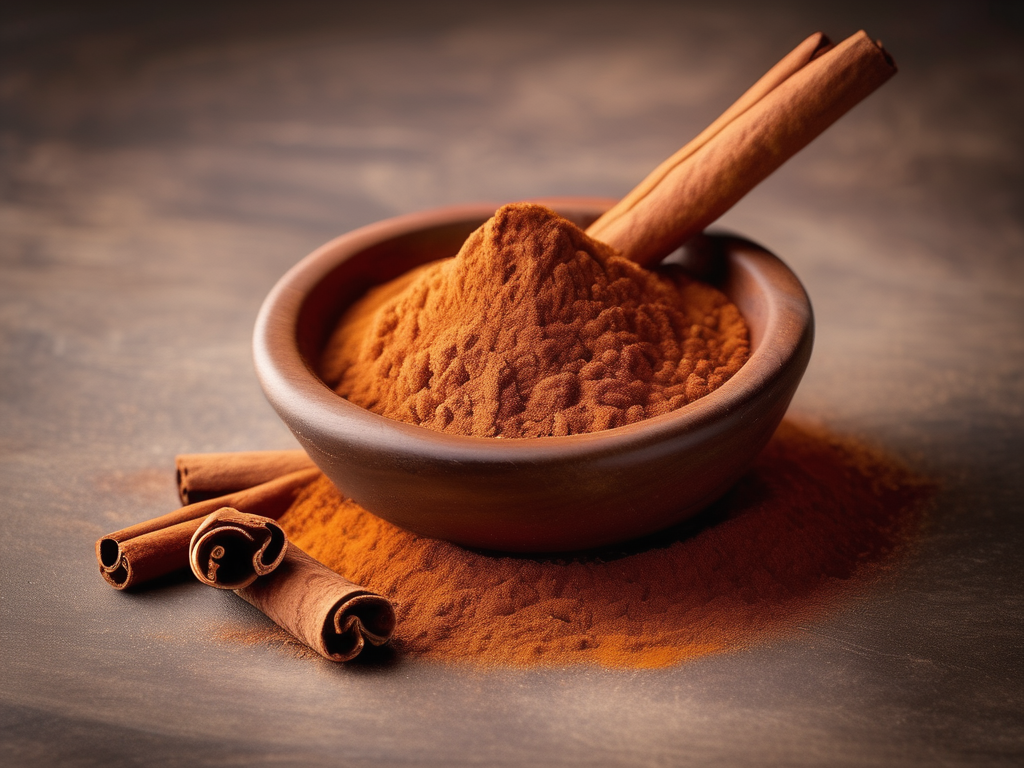
Ground cinnamon is a versatile spice that adds warmth and depth to both sweet and savory dishes. Whether you use it in baking, cooking, or beverages, proper storage is crucial to maintaining its flavor and potency. In this comprehensive guide, we will explore the best practices for storing ground cinnamon to ensure it stays fresh for an extended period. (Ground cinnamon)
Why Proper Storage Matters for Ground Cinnamon
Ground cinnamon, derived from the bark of the Cinnamomum tree, contains volatile oils that give it its distinct aroma and flavor. When exposed to air, light, heat, and moisture, these oils can degrade, leading to a loss of flavor and potency. Proper storage helps protect the spice from these elements, preserving its quality and ensuring optimal taste in your culinary creations.
Factors That Affect Ground Cinnamon's Shelf Life
Several factors can impact the shelf life of ground cinnamon:
Proper airflow and humidity control can significantly extend produce freshness. Many households use produce storage containers (Amazon) in the refrigerator to regulate moisture and slow spoilage.
- Air Exposure: Oxygen can cause the volatile oils in cinnamon to evaporate, leading to flavor loss.
- Light: Exposure to light can accelerate the degradation of the spice's essential oils.
- Heat: High temperatures can cause the volatile compounds in cinnamon to break down, affecting its flavor.
- Moisture: Humidity can cause ground cinnamon to clump and may promote the growth of mold.
Now, let's dive into the best practices for storing ground cinnamon to maintain its freshness and flavor.
How to Properly Store Ground Cinnamon
1. Choose the Right Container
- Airtight Container: Transfer ground cinnamon to an airtight container to protect it from air exposure.
- Dark Container: Opt for a dark-colored container to shield the spice from light.
- Glass or Metal: Glass or metal containers are ideal for storing ground cinnamon, as they are non-reactive and do not impart unwanted flavors.
2. Store in a Cool, Dark Place
- Pantry: Store ground cinnamon in a cool, dark pantry away from heat sources like the stove or oven.
- Avoid Sunlight: Keep the spice away from direct sunlight to prevent flavor loss.
3. Avoid Moisture
- Dry Environment: Ensure the storage area is dry to prevent the spice from clumping.
- Silica Gel Packets: Place silica gel packets in the container to absorb any excess moisture.
4. Label and Date
- Label Container: Clearly label the container with the contents and date of purchase to track freshness.
- Rotate Stock: Use older ground cinnamon first to ensure you always have fresh spice on hand.
5. Consider Refrigeration or Freezing
- Refrigeration: While not necessary, storing ground cinnamon in the refrigerator can extend its shelf life.
- Freezing: Ground cinnamon can be frozen in an airtight container for long-term storage, but be mindful of condensation when thawing.
common situation: How Storage Affects Flavor
When it comes to spices like ground cinnamon, the difference in flavor from proper storage can be dramatic. For instance, Common situations include, wintry evening where you decide to whip up a batch of cinnamon rolls. You reach for your cinnamon, only to realize that it’s been sitting in a clear jar on a sunny windowsill for months. The once-vibrant aroma has diminished to a whisper, and your rolls lack the comforting spice they should have.
In another situation, Common situations include gathering where you’re preparing a spiced apple cider. If you've stored your ground cinnamon correctly in an airtight, dark container, you’ll be able to infuse your cider with a rich flavor that envelops your guests in warmth and nostalgia. On the other hand, using stale cinnamon could leave your guests wondering what’s missing from that signature hug-in-a-mug experience.
Keeping produce organized can improve air circulation and cooling. refrigerator organizer bins (Amazon) help reduce overcrowding and maintain consistent refrigerator temperatures.
Let’s paint a picture of a casual Sunday brunch with friends. Perhaps you're making a fabulous French toast dish that calls for a generous sprinkle of ground cinnamon. If your spice has been improperly stored, you might find yourself hesitant as you take a whiff, wondering if the lackluster aroma will translate to a lackluster taste. The contrast of fresh, aromatic cinnamon versus stale spice can certainly affect the overall dining experience, leaving everyone feeling a bit underwhelmed.
These common situations underscore the importance of proper storage in maximizing the flavor potential of cinnamon, ensuring that every recipe shines.
Scientific Context: The Chemistry of Cinnamon
Understanding the chemistry behind cinnamon can enhance your appreciation for this spice and its optimal storage. Ground cinnamon contains essential oils, primarily composed of cinnamaldehyde, which is responsible for its sweet and spicy flavor profile. Cinnamaldehyde is sensitive to environmental factors, particularly heat and light.
Studies have shown that when cinnamon is stored improperly—exposed to heat or light—the levels of cinnamaldehyde decrease, resulting in a less flavorful product. By keeping your cinnamon in a cool, dark place, you're not just preserving its flavor; you're also prolonging its shelf life by protecting these sensitive compounds from degradation.
Common Mistakes in Cinnamon Storage
Many people don’t realize that the way they store their spices can significantly impact their flavors. Here are some common mistakes to avoid:
-
Keeping it in the Original Packaging: Most store-bought ground cinnamon comes in thin, plastic containers that don’t provide a barrier against air and light. Transfer it to a sturdier, opaque container.
-
Storing Near the Stove: Many home cooks store spices in a convenient drawer or cabinet near the stove. While this makes them easily accessible, the heat from cooking can reduce their potency over time.
-
Buying in Bulk: It’s tempting to buy spices in bulk to save money, but if you can’t use that amount quickly, it’s better to purchase smaller quantities. Freshness is key!
-
Using Wet Utensils: Always use a dry spoon when scooping out cinnamon. Introducing moisture can lead to clumping and potential mold growth.
-
Ignoring Expiration Dates: Even though spices don’t spoil like perishable foods, they do lose potency over time. If you’ve had your ground cinnamon for several years, it might be time for a refresh.
Practical Tips for Maintaining Freshness
-
Smell Test: Before using cinnamon, give it a good sniff. If it doesn’t have a potent aroma, it might be time to replace it.
-
Flavor Enhancers: If you find yourself with slightly stale cinnamon, consider adding it to recipes that contain strong flavors, such as spiced desserts or hearty stews, where it can still contribute warmth and depth.
-
Store with Other Spices: Consider storing your ground cinnamon alongside complementary spices such as nutmeg or ginger. This not only makes for an organized spice rack but also encourages creativity in your cooking.
-
Use Smaller Portions: If you find that you often have leftover cinnamon after a recipe, consider only purchasing small amounts at a time or even grinding your own cinnamon from sticks, which can be fresher and more flavorful.
Expert Insights: Professional Recommendations for Spice Storage
Food safety experts often emphasize the importance of maintaining a consistent environment for spices. Food safety guidance from public health agencies, a renowned food scientist, recommends using a vacuum-sealed container if you're serious about preserving freshness. “Vacuum sealing removes air, which is one of the primary factors in the degradation of spices,” she says. “For long-term storage, this method can significantly extend the life of your ground cinnamon.”
Additionally, she advises being cautious of spice blends that contain cinnamon. “Many pre-made spice blends contain fillers or preservatives that can affect the integrity of the cinnamon. When in doubt, fresh ground spices are always a better choice.”
Another noteworthy expert, Chef Michael Jones, emphasizes the importance of keeping a spice inventory. “Just like a restaurant, your kitchen should have a running inventory of spices. This helps you use older spices first and avoid any that have been neglected and lost their flavor.”
Alternative Storage Methods for Ground Cinnamon
-
Opaque Glass Jars: Using opaque glass jars not only protects against light but also allows you to see how much cinnamon you have left without opening the container.
-
Freezer-Friendly Bags: For those who prefer to freeze their spices, use heavy-duty freezer bags instead of regular plastic bags. Ensure you remove as much air as possible before sealing.
-
Mason Jars: These can be effective for storing ground cinnamon. They are airtight and can be found in various sizes, which means you can store cinnamon in quantities that suit your cooking habits.
-
Labeling: Consider investing in a label maker to neatly label your spices with the purchase date and any specific notes about usage. This will help streamline your cooking process and ensure you always have the freshest spices on hand.
-
Rotation System: Implement a rotation system in your spice storage. Place newly purchased spices at the back and older ones at the front. This way, you can easily grab the spices that need to be used first.
Safety Warnings and Considerations
While ground cinnamon is generally safe to use, it's important to be mindful of a few things:
-
Allergies: Some individuals may have allergies or sensitivities to cinnamon. Always be cautious when introducing it into recipes for others.
-
Consumption Limits: Cinnamaldehyde, particularly when consumed in large amounts, can lead to gastrointestinal issues. Moderation is key.
-
Quality Over Quantity: Always opt for high-quality ground cinnamon to ensure you’re not consuming additives or fillers that could cause unwanted side effects.
Conclusion
Properly storing ground cinnamon is essential for preserving its flavor and aroma. By following these guidelines and storing the spice in a cool, dark, and dry place, you can ensure that your cinnamon remains fresh and potent for an extended period. Remember to check the spice for any signs of degradation before use and discard if it appears stale or off. With these storage tips, you can enjoy the full flavor of ground cinnamon in your favorite recipes for months to come.
For more information on ground cinnamon and other food safety tips, visit here. Happy cooking! (Ground cinnamon)
Related Posts
Here are some other articles you might find helpful:
Authoritative Food Safety References
These agencies and university labs inform every tip and health precaution we publish.
USDA FoodKeeper – Cold Storage Guidelines
Official refrigerator, freezer, and pantry timelines maintained by the U.S. Department of Agriculture.
Visit USDA FoodKeeperFDA Produce Safety Rule & Grower Guidance
Field-to-fridge handling practices that prevent contamination of fruits, vegetables, and leafy greens.
Visit FDA Produce SafetyCDC Foodborne Illness Prevention Hub
Surveillance-backed guidance on pathogens, symptoms, and steps to reduce foodborne illness risk.
Visit CDC Food SafetyUC Davis Postharvest Technology Center
University research detailing optimal storage atmospheres for produce after harvest.
Visit UC Davis PostharvestPenn State Extension – Home Food Preservation & Safety
Peer-reviewed extension bulletins on safe canning, chilling, and reheating practices.
Visit Penn State ExtensionDisclosure: As an Amazon Associate, we earn from qualifying purchases. This helps support our site and allows us to continue providing free food safety information.