USDAOfficial guidance
USDA FoodKeeper – Cold Storage Guidelines
Official refrigerator, freezer, and pantry timelines maintained by the U.S. Department of Agriculture.
Visit USDA FoodKeeperStorage conditions, initial freshness, and proper handling change the answer — and those details are easy to miss.
Get a yes / no answer for your ground cinnamon →
Check Your Exact Situation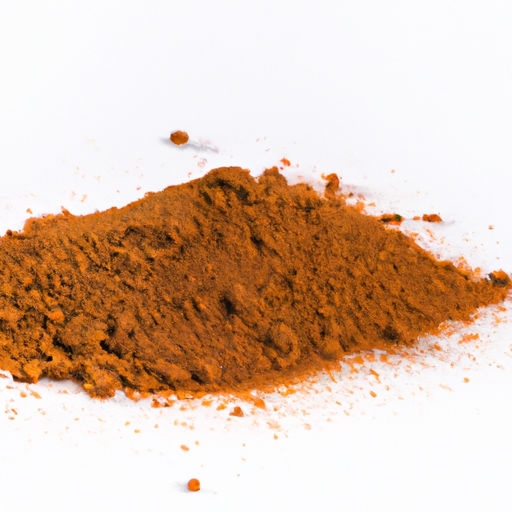
Last reviewed: January 2026
Reviewed by the Can I Eat Expired Editorial Team using official USDA, FDA, and CDC food safety guidance. How we assess food safety risk
This food is often safe when handled and stored properly, but safety depends on how it's been kept and whether any spoilage signs are present.
⏱️ Safe for up to 365 days after expiry if properly stored and showing no spoilage signs.
Cool Dark Place
60-70°F (15-21°C)
Airtight container in cool, dark place away from heat and sunlight
Spices lose flavor and potency when exposed to air and moisture. Keeping them sealed in an airtight spice container (Amazon) helps preserve flavor and prevent clumping.
1095 days
Loss of aroma, clumping, mold if exposed to moisture
Natural ant deterrent, plant fertilizer
Nutmeg, allspice, or cardamom
The expiration date on ground cinnamon primarily indicates when the spice may start to lose its potency and flavor. While it doesn't necessarily mean that the cinnamon is unsafe to consume after that date, its taste and aroma may diminish. For best quality, it's recommended to use ground cinnamon within 6 months to one year of opening the container. However, if stored properly, ground cinnamon can last for several years without going bad.
To check if ground cinnamon has gone bad, look for any signs of mold, discoloration, or clumping. Sniff the cinnamon to detect any off or musty odors that indicate spoilage. Rub a small amount of cinnamon between your fingers - fresh cinnamon should have a powdery, dry texture, whereas stale or old cinnamon may feel moist or clumpy.
Ground cinnamon is generally safe to consume, but like all spices, it can harbor harmful bacteria if not stored properly. Contaminated cinnamon can cause foodborne illnesses such as salmonella or E. coli. To minimize the risk, always ensure that you store ground cinnamon in a cool, dry place away from direct sunlight and moisture. Additionally, it's important to check for any signs of mold or off-odor before using it in your dishes.
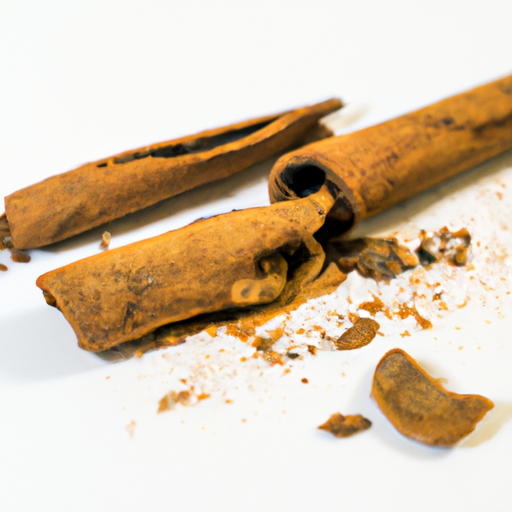
To maximize the shelf life of ground cinnamon, store it in an airtight container in a cool, dark pantry or cupboard, away from heat sources and sunlight. Avoid storing it near the stove or oven, as exposure to heat can cause the spice to lose its flavor more quickly. It's best to buy whole cinnamon sticks and grind them as needed to retain the freshest flavor, but if you have ground cinnamon, try to use it within a year for optimal taste and aroma.
Cinnamon has a rich cultural history and is one of the oldest known spices. It was highly prized in ancient civilizations like Egypt, Rome, and China for its medicinal properties and as a flavoring agent. Cinnamon is commonly used in both sweet and savory dishes around the world and is a key ingredient in many traditional recipes. In some cultures, cinnamon is also associated with festive occasions and religious ceremonies.
If Ground Cinnamon has been stored in a warm area for a few days, it should still be safe to consume. However, prolonged exposure to heat can affect its flavor potency. It's best to store it in a cool, dark place to maintain its quality.
Ground Cinnamon can be used for up to 2 years after opening if stored properly in a cool, dark place. After this time, the flavor may diminish, but it should still be safe to consume for another year beyond the expiry date.
The type of container can impact the shelf life of Ground Cinnamon. Airtight containers like glass jars or metal tins are best for preserving its flavor and aroma. Avoid storing it in plastic bags or containers that may not seal well, as they can lead to flavor loss.
Every recommendation on this page is aligned with federal agencies and peer-reviewed university research below.
Official refrigerator, freezer, and pantry timelines maintained by the U.S. Department of Agriculture.
Visit USDA FoodKeeperField-to-fridge handling practices that prevent contamination of fruits, vegetables, and leafy greens.
Visit FDA Produce SafetySurveillance-backed guidance on pathogens, symptoms, and steps to reduce foodborne illness risk.
Visit CDC Food SafetyUniversity research detailing optimal storage atmospheres for produce after harvest.
Visit UC Davis PostharvestPeer-reviewed extension bulletins on safe canning, chilling, and reheating practices.
Visit Penn State ExtensionImportant: These are general guidelines based on authoritative sources listed above. Always use your best judgment and when in doubt, throw it out.
Disclosure: As an Amazon Associate, we earn from qualifying purchases. This helps support our site and allows us to continue providing free food safety information.