Is Your Chinese Cinnamon Still Safe to Use?
Is Your Chinese Cinnamon Still Safe to Use?
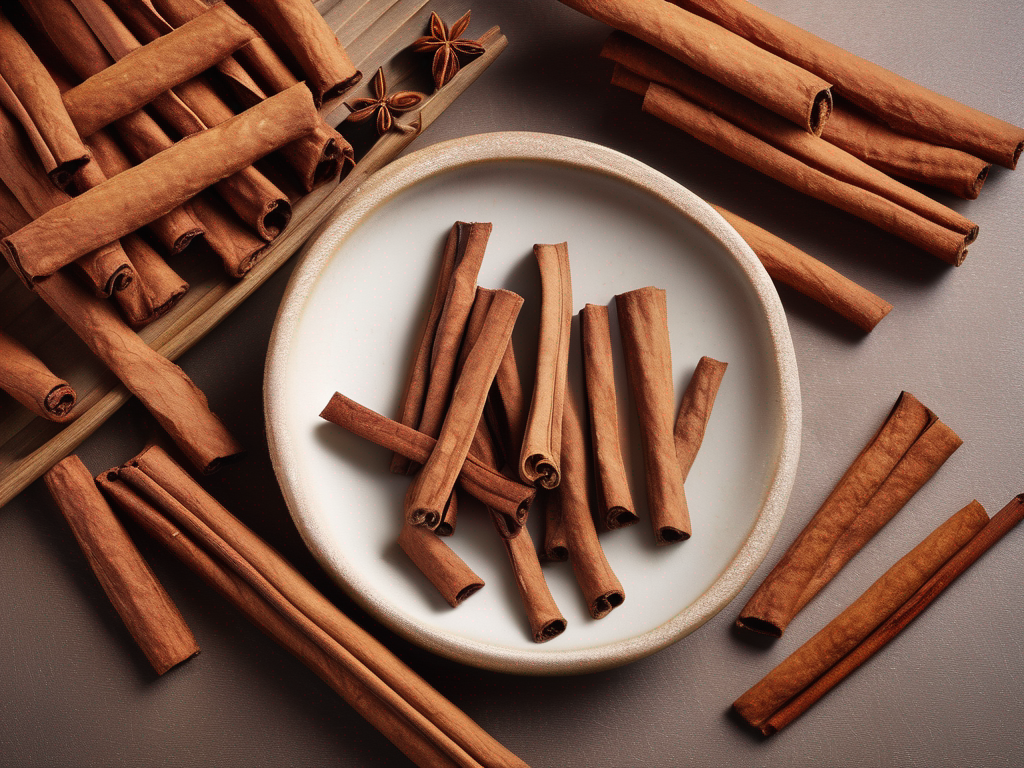
Chinese cinnamon, also known as cassia cinnamon, is a popular spice used in various dishes and baked goods for its warm and aromatic flavor. However, like any other spice, Chinese cinnamon can go bad over time, affecting both its flavor and safety for consumption. In this blog post, we will explore how to tell if your Chinese cinnamon has gone bad and is no longer safe to use. (Chinese cinnamon)
Understanding Chinese Cinnamon
Chinese cinnamon is derived from the bark of the Cinnamomum cassia tree and is commonly used in Chinese and Asian cuisines. It is known for its strong, spicy flavor and is often used in both sweet and savory dishes. Chinese cinnamon is also believed to have several nutritional quality, including anti-inflammatory and antimicrobial properties.
Like other spices, Chinese cinnamon can lose its flavor and potency over time. Additionally, improper storage can lead to the growth of mold, yeast, or bacteria, making it unsafe for consumption.
Signs Your Chinese Cinnamon Has Gone Bad
Visual Inspection
- Mold: Check for any signs of mold on the surface of the cinnamon. Mold growth can appear as fuzzy patches or spots of different colors.
- Discoloration: If the cinnamon has darkened in color or appears dull, it may have gone bad.
- Clumping: Clumps or moisture in the cinnamon powder indicate that it has absorbed moisture and is no longer safe to use.
Aromatic Test
- Smell: Fresh Chinese cinnamon has a strong, sweet aroma. If the cinnamon smells musty, rancid, or off, it is likely spoiled.
Taste Test
- Taste: If the cinnamon tastes bitter, sour, or has a strange flavor, it has likely gone bad.
Proper Storage of Chinese Cinnamon
To ensure the longevity and quality of your Chinese cinnamon, proper storage is essential. Here are some tips to help you store your Chinese cinnamon correctly:
- Air-Tight Container: Store Chinese cinnamon in an airtight container to prevent exposure to air and moisture.
- Cool, Dark Place: Keep the cinnamon away from heat and sunlight, as exposure to light can degrade its flavor.
- Avoid Humidity: Moisture can cause the cinnamon to clump and spoil quickly. Store it in a dry environment.
- Label and Date: Properly label the container with the date of purchase to track its freshness.
Shelf Life of Chinese Cinnamon
Like other spices, Chinese cinnamon does not spoil in the same way as perishable foods but can lose its flavor and potency over time. Here are some general guidelines for the shelf life of Chinese cinnamon:
- Whole Cinnamon Sticks: Up to 4 years
- Ground Cinnamon: 2-3 years
- Cinnamon Powder: 6 months to 1 year
It is essential to regularly check the aroma, taste, and appearance of your Chinese cinnamon to ensure its quality.
Conclusion
In conclusion, Chinese cinnamon is a versatile spice that adds depth and warmth to a variety of dishes. By understanding the signs of spoilage and following proper storage practices, you can ensure that your Chinese cinnamon remains fresh and safe for consumption. Remember to trust your senses and discard any cinnamon that shows signs of mold, off-odor, or unusual taste. By taking these precautions, you can enjoy the flavorful benefits of Chinese cinnamon in your cooking for years to come. (Chinese cinnamon)
Authoritative Food Safety References
These agencies and university labs inform every tip and health precaution we publish.
USDA FoodKeeper – Cold Storage Guidelines
Official refrigerator, freezer, and pantry timelines maintained by the U.S. Department of Agriculture.
Visit USDA FoodKeeperFDA Produce Safety Rule & Grower Guidance
Field-to-fridge handling practices that prevent contamination of fruits, vegetables, and leafy greens.
Visit FDA Produce SafetyCDC Foodborne Illness Prevention Hub
Surveillance-backed guidance on pathogens, symptoms, and steps to reduce foodborne illness risk.
Visit CDC Food SafetyUC Davis Postharvest Technology Center
University research detailing optimal storage atmospheres for produce after harvest.
Visit UC Davis PostharvestPenn State Extension – Home Food Preservation & Safety
Peer-reviewed extension bulletins on safe canning, chilling, and reheating practices.
Visit Penn State Extension