How Long Can You Keep Ground Cinnamon in the Pantry Before it Expires?
How Long Can You Keep Ground Cinnamon in the Pantry Before it Expires?
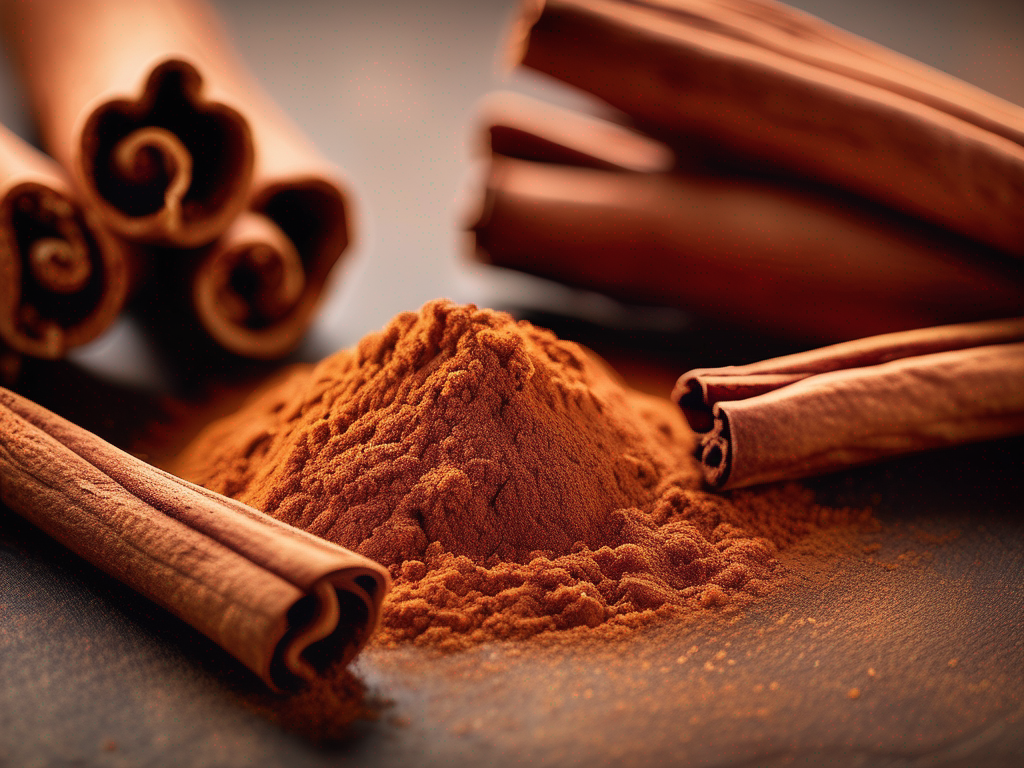
Ground cinnamon is a versatile spice that adds warmth and flavor to both sweet and savory dishes. Whether you use it in baked goods, curries, or hot beverages, having ground cinnamon on hand can enhance the taste of your culinary creations. But like any spice, ground cinnamon does have a shelf life. In this blog post, we will explore how long ground cinnamon can be kept in the pantry before it expires, as well as some tips for proper storage to maintain its quality. (Ground cinnamon)
Understanding Ground Cinnamon Shelf Life
Ground cinnamon, like other spices, does not spoil in the traditional sense but can lose its potency and flavor over time. The shelf life of ground cinnamon depends on various factors, including how it is stored and whether it is exposed to heat, light, or moisture. Here are some key points to consider:
Factors Affecting Ground Cinnamon Shelf Life
- Storage Conditions: Proper storage is crucial for preserving the quality of ground cinnamon. Exposure to heat, light, and moisture can accelerate the degradation of the spice.
- Quality of the Cinnamon: The freshness and quality of the ground cinnamon at the time of purchase can influence how long it will retain its flavor and aroma.
- Packaging: Ground cinnamon that is stored in airtight containers or sealed packaging will last longer than cinnamon that is exposed to air.
How Long Does Ground Cinnamon Last?
The shelf life of ground cinnamon can vary depending on the factors mentioned above. On average, ground cinnamon can last for:
- Unopened Ground Cinnamon: Up to 4 years if stored in a cool, dark place away from heat and moisture.
- Opened Ground Cinnamon: 1-2 years if stored properly in an airtight container away from light and heat sources.
Signs that Ground Cinnamon Has Gone Bad
- Loss of Aroma: Ground cinnamon that has lost its potency will have a dull aroma and flavor.
- Change in Color: Cinnamon that has expired may appear faded or discolored.
- Presence of Mold: If you notice any signs of mold or unusual growth, discard the ground cinnamon immediately.
Tips for Properly Storing Ground Cinnamon
To ensure that your ground cinnamon stays fresh for as long as possible, follow these storage tips:
- Store in a Cool, Dark Place: Keep your ground cinnamon in a cool, dark pantry away from heat sources like the stove or sunlight.
- Use Airtight Containers: Transfer ground cinnamon to airtight containers or resealable bags to protect it from air and moisture.
- Avoid Humid Areas: Moisture can cause ground cinnamon to clump and lose its flavor, so avoid storing it in humid areas like near the sink or dishwasher.
- Label and Date: To keep track of when you opened the ground cinnamon, label the container with the date of purchase or opening.
Conclusion
Ground cinnamon is a pantry staple that can elevate the taste of your dishes, but it is essential to store it properly to maintain its flavor and quality. By following the tips outlined in this blog post and being mindful of storage conditions, you can enjoy the aromatic and flavorful benefits of ground cinnamon for an extended period. Remember to check the quality of your ground cinnamon periodically and discard it if it shows any signs of deterioration. [Ground cinnamon](/food/ground cinnamon) is a versatile spice that deserves a place in your kitchen, so make sure to store it correctly to make the most of its shelf life. (Ground cinnamon)
Authoritative Food Safety References
These agencies and university labs inform every tip and health precaution we publish.
USDA FoodKeeper – Cold Storage Guidelines
Official refrigerator, freezer, and pantry timelines maintained by the U.S. Department of Agriculture.
Visit USDA FoodKeeperFDA Produce Safety Rule & Grower Guidance
Field-to-fridge handling practices that prevent contamination of fruits, vegetables, and leafy greens.
Visit FDA Produce SafetyCDC Foodborne Illness Prevention Hub
Surveillance-backed guidance on pathogens, symptoms, and steps to reduce foodborne illness risk.
Visit CDC Food SafetyUC Davis Postharvest Technology Center
University research detailing optimal storage atmospheres for produce after harvest.
Visit UC Davis PostharvestPenn State Extension – Home Food Preservation & Safety
Peer-reviewed extension bulletins on safe canning, chilling, and reheating practices.
Visit Penn State Extension