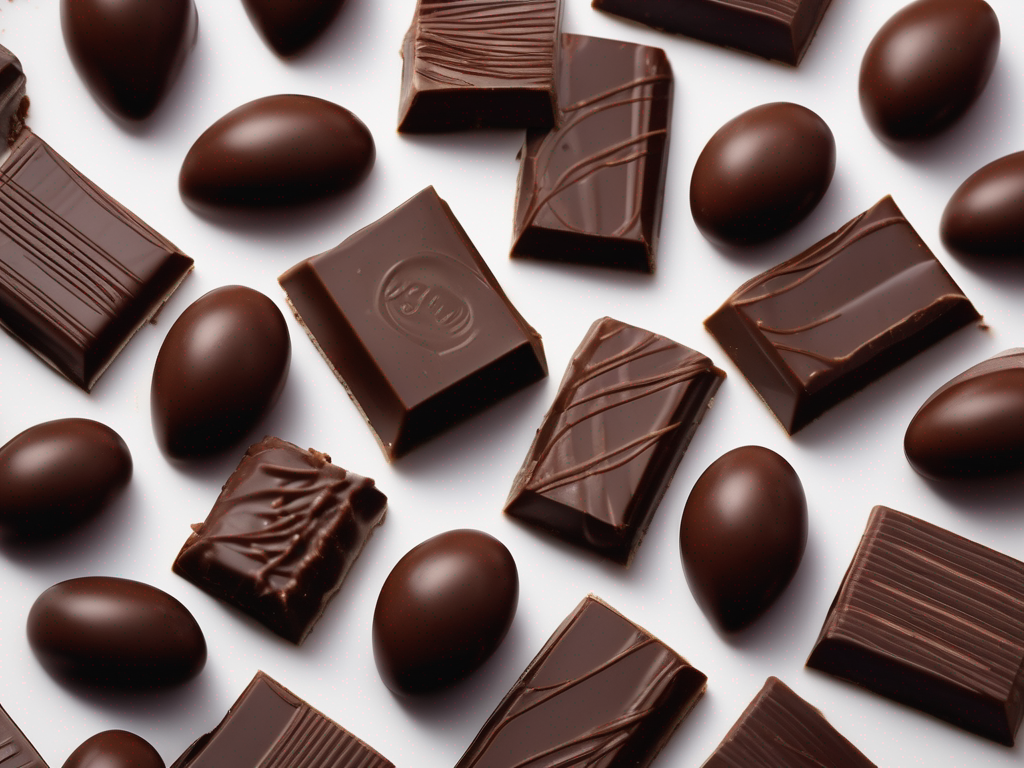
Preventing Blooming on Dark Chocolate: Tips for Proper Storage
Preventing Blooming on Dark Chocolate: Tips for Proper Storage
Dark chocolate is a beloved treat for many, with its rich and intense flavor. However, nothing is more disappointing than finding that your dark chocolate has developed a white, powdery film on its surface, known as blooming. Blooming doesn't affect the taste or safety of the chocolate but can impact its appearance and texture. In this guide, we'll explore why blooming happens and provide you with practical tips on how to prevent it through proper storage techniques. (Dark chocolate)
Understanding Blooming on Dark Chocolate
What Causes Blooming?
- Fat Bloom: Fat bloom occurs when the cocoa butter in the chocolate rises to the surface and crystallizes. This can happen due to temperature fluctuations or improper storage.
- Sugar Bloom: Sugar bloom occurs when moisture comes into contact with the chocolate, causing the sugar in the chocolate to dissolve and recrystallize on the surface.
Effects of Blooming
- Appearance: Blooming creates a dull, white film on the surface of the chocolate, affecting its visual appeal.
- Texture: Blooming can cause the chocolate to feel gritty or rough on the tongue.
- Storage Conditions: Factors like temperature, humidity, and light exposure can contribute to blooming.
Tips for Preventing Blooming on Dark Chocolate
1. Store in a Cool, Dry Place
- Dark chocolate should be stored in a cool, dry place away from direct sunlight and heat sources.
- Optimal storage temperature for dark chocolate is between 60-70°F (15-21°C).
2. Use Airtight Containers
- Store dark chocolate in airtight containers or resealable bags to protect it from moisture and odors.
- Ensure the container is clean and dry before storing the chocolate.
3. Avoid Temperature Fluctuations
- Keep dark chocolate away from areas with fluctuating temperatures, such as near ovens, stoves, or windows.
- Sudden temperature changes can cause condensation, leading to sugar bloom.
4. Wrap Chocolate Properly
- If the dark chocolate comes in a resealable package, ensure it is tightly sealed after each use.
- If you're repackaging the chocolate, use food-grade plastic wrap or aluminum foil to wrap it securely.
5. Store Away from Strong Odors
- Dark chocolate can absorb odors from strong-smelling foods. Store it away from items like onions, garlic, or spices.
- Consider using a separate storage area for your dark chocolate to maintain its flavor integrity.
Conclusion
Proper storage is key to preventing blooming on dark chocolate and preserving its quality. By following these tips and storing your dark chocolate in a cool, dry place, you can enjoy its rich flavor and smooth texture for longer periods. Remember to keep an eye on storage conditions and ensure that your dark chocolate is well-protected from moisture and temperature fluctuations. With the right storage practices, you can savor your dark chocolate without worrying about blooming affecting its appearance or taste.
For more tips on preserving the freshness and quality of your dark chocolate, check out [our guide on dark chocolate](/food/dark chocolate). (Dark chocolate)
Dairy products require consistent cold storage to prevent spoilage and bacterial growth. A refrigerator thermometer (Amazon) helps ensure your refrigerator maintains safe temperatures (40°F or below).
Related Posts
Here are some other articles you might find helpful:
- Creative Recipes Using Leftover Maraschino Cherries
- Creative Ways to Use Up Leftover Greek Yogurt Before It Expires
- Is Your Dark Chocolate Still Good? How to Tell If It Has Gone Bad
- How to Store Dark Chocolate for Optimal Freshness
- How Long Can You Safely Eat a Chocolate Bar After Its Expiration Date?
Authoritative Food Safety References
These agencies and university labs inform every tip and health precaution we publish.
USDA FoodKeeper – Cold Storage Guidelines
Official refrigerator, freezer, and pantry timelines maintained by the U.S. Department of Agriculture.
Visit USDA FoodKeeperFDA Produce Safety Rule & Grower Guidance
Field-to-fridge handling practices that prevent contamination of fruits, vegetables, and leafy greens.
Visit FDA Produce SafetyCDC Foodborne Illness Prevention Hub
Surveillance-backed guidance on pathogens, symptoms, and steps to reduce foodborne illness risk.
Visit CDC Food SafetyUC Davis Postharvest Technology Center
University research detailing optimal storage atmospheres for produce after harvest.
Visit UC Davis PostharvestPenn State Extension – Home Food Preservation & Safety
Peer-reviewed extension bulletins on safe canning, chilling, and reheating practices.
Visit Penn State ExtensionDisclosure: As an Amazon Associate, we earn from qualifying purchases. This helps support our site and allows us to continue providing free food safety information.