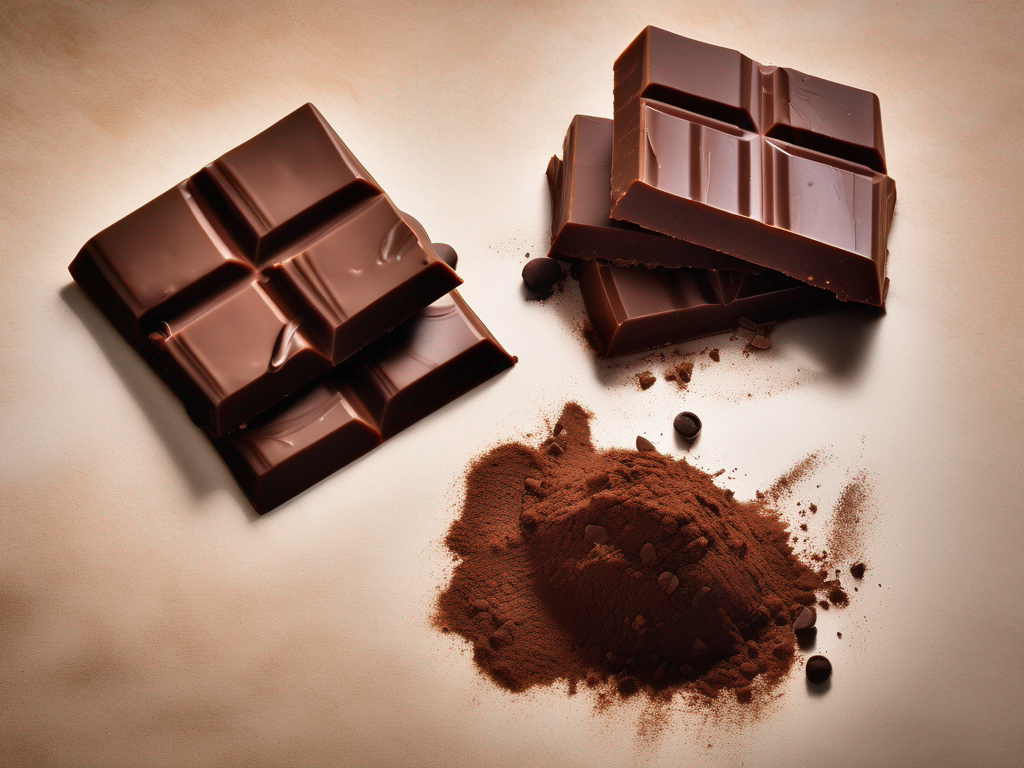
How to Store Dark Chocolate for Optimal Freshness
How to Store Dark Chocolate for Optimal Freshness
Dark chocolate is a beloved treat for many, with its rich flavor and potential nutritional quality. However, to fully enjoy its taste and texture, proper storage is essential. Storing dark chocolate correctly can help maintain its freshness, prevent it from going bad, and ensure that it stays delicious for longer periods. In this guide, we will explore the best practices for storing dark chocolate to preserve its quality. (Dark chocolate)
Why Proper Storage Matters
Before delving into the specifics of storing dark chocolate, it's crucial to understand why proper storage is essential. Dark chocolate is susceptible to changes in temperature, humidity, and exposure to light, all of which can impact its flavor and texture. Improper storage can lead to issues such as blooming (the formation of white spots on the surface), loss of flavor, and a shorter shelf life.
Ideal Conditions for Storing Dark Chocolate
To keep your dark chocolate fresh and delicious, follow these guidelines for optimal storage:
Dry foods stay fresher when protected from moisture, pests, and air exposure. Using airtight pantry containers (Amazon) helps maintain quality and extend shelf life for pantry staples.
1. Temperature
- Store dark chocolate in a cool, dry place with a consistent temperature of around 60-70°F (15-21°C).
- Avoid exposing dark chocolate to extreme temperatures or fluctuations, as this can cause it to melt or develop a grainy texture.
2. Humidity
- Dark chocolate should be stored in a low-humidity environment, ideally below 50% humidity.
- High humidity can cause dark chocolate to absorb moisture, leading to a soft or sticky texture and potential mold growth.
3. Light Exposure
- Keep dark chocolate away from direct sunlight or artificial light sources, as UV rays can degrade its quality and flavor.
- Store dark chocolate in a dark or opaque container to protect it from light exposure.
4. Airtight Packaging
- To prevent dark chocolate from absorbing odors and flavors from its surroundings, store it in an airtight container or resealable bag.
- Ensure that the packaging is sealed properly to maintain the chocolate's freshness.
Tips for Storing Dark Chocolate
Follow these practical tips to ensure that your dark chocolate stays fresh and delicious for as long as possible:
1. Choose the Right Storage Container
- Opt for airtight containers such as glass jars or plastic containers with tight-fitting lids to protect dark chocolate from moisture and odors.
- Consider wrapping dark chocolate in foil or parchment paper before placing it in the container for an extra layer of protection.
2. Avoid Refrigeration
- While it may be tempting to refrigerate dark chocolate to prolong its shelf life, this can cause condensation to form on the chocolate's surface, altering its texture and flavor.
- Instead, store dark chocolate at room temperature in a cool, dry place.
3. Use Proper Wrapping Techniques
- If you need to store partially consumed dark chocolate, wrap it tightly in plastic wrap or aluminum foil to prevent exposure to air and moisture.
- Place the wrapped chocolate in an airtight container to maintain its freshness.
4. Rotate Your Stock
- If you have multiple bars of dark chocolate, be sure to rotate your stock by consuming older bars first.
- This practice ensures that your dark chocolate is always fresh and avoids having bars sit for too long.
Conclusion
Proper storage is key to preserving the freshness and flavor of dark chocolate. By following the guidelines outlined in this guide, you can enjoy your dark chocolate at its best for longer periods. Remember to store dark chocolate in a cool, dry place, away from light and moisture, in an airtight container. With these simple steps, you can savor the rich taste of dark chocolate whenever you indulge in this delectable treat. [Learn more about dark chocolate](/food/dark chocolate) and its benefits. (Dark chocolate)
Authoritative Food Safety References
These agencies and university labs inform every tip and health precaution we publish.
USDA FoodKeeper – Cold Storage Guidelines
Official refrigerator, freezer, and pantry timelines maintained by the U.S. Department of Agriculture.
Visit USDA FoodKeeperFDA Produce Safety Rule & Grower Guidance
Field-to-fridge handling practices that prevent contamination of fruits, vegetables, and leafy greens.
Visit FDA Produce SafetyCDC Foodborne Illness Prevention Hub
Surveillance-backed guidance on pathogens, symptoms, and steps to reduce foodborne illness risk.
Visit CDC Food SafetyUC Davis Postharvest Technology Center
University research detailing optimal storage atmospheres for produce after harvest.
Visit UC Davis PostharvestPenn State Extension – Home Food Preservation & Safety
Peer-reviewed extension bulletins on safe canning, chilling, and reheating practices.
Visit Penn State ExtensionDisclosure: As an Amazon Associate, we earn from qualifying purchases. This helps support our site and allows us to continue providing free food safety information.