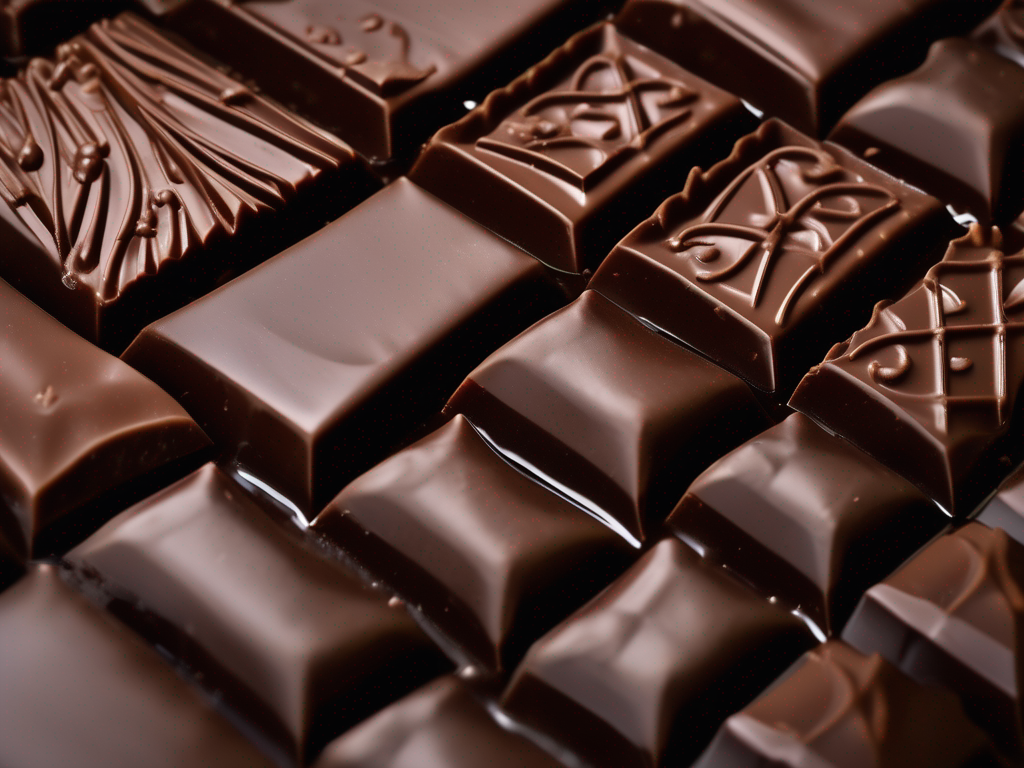
Is Your Dark Chocolate Still Good? How to Tell If It Has Gone Bad
Is Your Dark Chocolate Still Good? How to Tell If It Has Gone Bad
Dark chocolate is a beloved treat for many, known for its rich flavor and potential nutritional quality. Whether you enjoy it as a snack, in recipes, or paired with a glass of wine, it's essential to ensure that your dark chocolate is still safe to eat. Like any food product, dark chocolate can go bad if not stored properly or kept for too long. In this blog post, we will explore how to tell if your dark chocolate has gone bad and provide you with practical tips on storage and safety. (Dark chocolate)
Understanding Dark Chocolate Expiration Dates
Dark chocolate typically comes with an expiration date printed on the packaging. While this date is a helpful guideline, it's essential to remember that dark chocolate doesn't necessarily spoil in the same way as perishable foods like dairy or meat. Instead, dark chocolate can lose its quality over time, affecting its taste and texture. Here's what you need to know about dark chocolate expiration dates:
Factors Affecting Dark Chocolate Shelf Life
Several factors can impact the shelf life of dark chocolate, including:
Proper cooking temperatures are essential for food safety. An instant-read food thermometer (Amazon) helps ensure meat reaches safe internal temperatures and reduces the risk of foodborne illness.
- Storage Conditions: Proper storage is crucial to maintaining the quality of dark chocolate. Exposure to heat, light, and moisture can cause dark chocolate to deteriorate more quickly.
- Ingredients: The quality of ingredients used in dark chocolate can also influence its shelf life. Dark chocolate with higher cocoa content tends to last longer due to its antioxidant properties.
- Packaging: Dark chocolate stored in airtight, opaque packaging is less likely to be affected by external factors that can cause it to spoil.
Signs Your Dark Chocolate May Have Gone Bad
While dark chocolate doesn't typically harbor harmful bacteria, it can still go bad under certain conditions. Here are some common signs that your dark chocolate may have gone bad:
- Changes in Appearance: Check for any signs of discoloration, blooming (white spots on the surface), or a dull, chalky appearance.
- Texture Changes: Spoiled dark chocolate may become brittle, crumbly, or have a grainy texture instead of its usual smooth consistency.
- Off Odors: If your dark chocolate smells rancid, sour, or has an unusual odor, it may have gone bad.
- Taste Test: While dark chocolate doesn't pose a significant health risk when consumed past its prime, it may taste stale, bitter, or off-putting.
Best Practices for Storing Dark Chocolate
Proper storage is key to extending the shelf life of your dark chocolate and preserving its quality. Follow these tips to ensure your dark chocolate stays fresh and delicious:
1. Optimal Storage Conditions
Store your dark chocolate in a cool, dry place away from direct sunlight, moisture, and strong odors. A pantry or cupboard with a consistent temperature of around 60-70°F (15-21°C) is ideal.
Refrigerator temperature fluctuations can accelerate spoilage and increase food safety risks. A refrigerator thermometer (Amazon) helps monitor consistent cold storage (40°F or below).
2. Use Airtight Containers
If you've opened a dark chocolate bar and want to store it for later, transfer it to an airtight container or resealable bag to prevent exposure to air and moisture.
3. Avoid Refrigeration
While it may be tempting to refrigerate your dark chocolate to prevent melting, this can cause it to absorb odors from other foods and develop condensation, affecting its taste and texture.
4. Freeze for Long-Term Storage
If you need to store dark chocolate for an extended period, consider freezing it. Wrap the chocolate in plastic wrap and place it in an airtight container before freezing. Allow it to come to room temperature before consuming.
Conclusion
In conclusion, while dark chocolate doesn't pose significant food safety risks, it can lose its quality over time if not stored properly. By understanding the factors that affect dark chocolate shelf life, recognizing signs of spoilage, and following best practices for storage, you can enjoy your dark chocolate at its best. Remember to check the expiration date, inspect the appearance and texture, and trust your senses when determining if your dark chocolate is still good to eat. Enjoy your indulgent treat with peace of mind knowing it's safe and delicious.
Remember to [check out our dark chocolate selection](/food/dark chocolate) for premium quality options that are sure to delight your taste buds! (Dark chocolate)
Authoritative Food Safety References
These agencies and university labs inform every tip and health precaution we publish.
USDA FoodKeeper – Cold Storage Guidelines
Official refrigerator, freezer, and pantry timelines maintained by the U.S. Department of Agriculture.
Visit USDA FoodKeeperFDA Produce Safety Rule & Grower Guidance
Field-to-fridge handling practices that prevent contamination of fruits, vegetables, and leafy greens.
Visit FDA Produce SafetyCDC Foodborne Illness Prevention Hub
Surveillance-backed guidance on pathogens, symptoms, and steps to reduce foodborne illness risk.
Visit CDC Food SafetyUC Davis Postharvest Technology Center
University research detailing optimal storage atmospheres for produce after harvest.
Visit UC Davis PostharvestPenn State Extension – Home Food Preservation & Safety
Peer-reviewed extension bulletins on safe canning, chilling, and reheating practices.
Visit Penn State ExtensionDisclosure: As an Amazon Associate, we earn from qualifying purchases. This helps support our site and allows us to continue providing free food safety information.