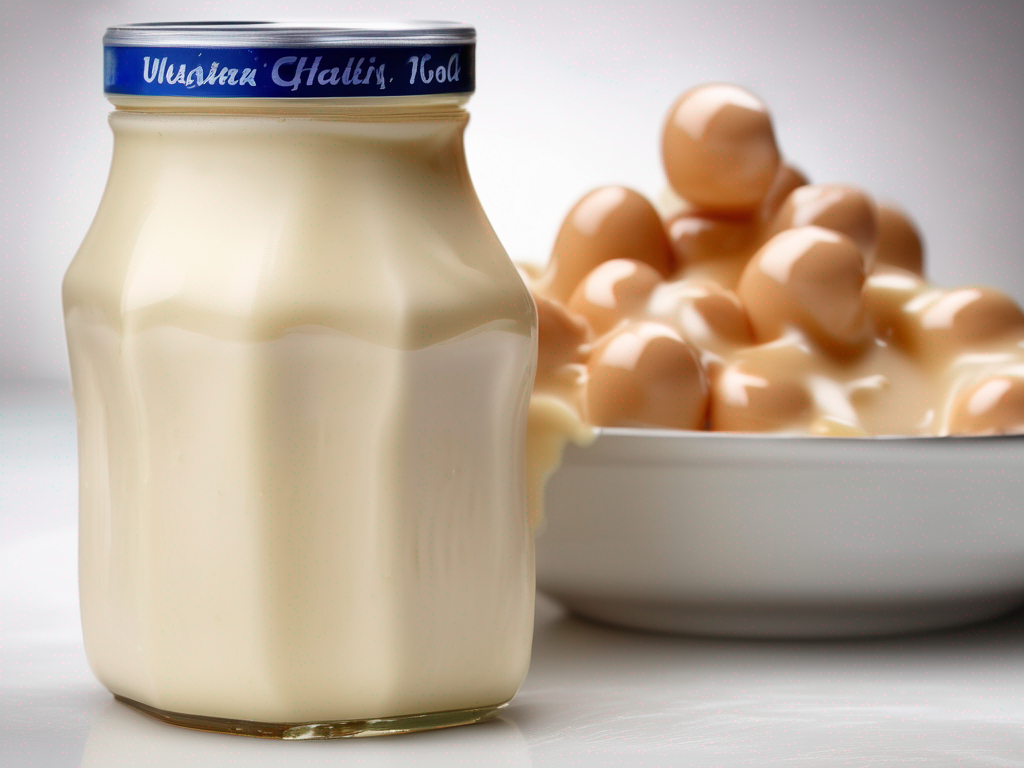
How Long Does Evaporated Milk Last After the Expiration Date?
How Long Does Evaporated Milk Last After the Expiration Date?
Evaporated milk is a staple in many kitchens due to its versatility and long shelf life. However, like any other food product, it does have a limited lifespan, even after the expiration date. In this blog post, we will delve into how long evaporated milk can last past its expiration date, how to store it properly, and practical tips to ensure its safety for consumption. (Evaporated milk)
Understanding Expiration Dates on Evaporated Milk
Evaporated milk typically comes with a "best by" or expiration date printed on the packaging. This date indicates the manufacturer's estimate of when the product is at its peak quality in terms of flavor and texture. It is not a strict deadline after which the milk automatically becomes unsafe to consume.
Factors Affecting the Shelf Life of Evaporated Milk
Several factors can influence how long evaporated milk remains safe to consume after the expiration date:
Dairy products require consistent cold storage to prevent spoilage and bacterial growth. A refrigerator thermometer (Amazon) helps ensure your refrigerator maintains safe temperatures (40°F or below).
-
Storage Conditions: Proper storage is crucial in extending the shelf life of evaporated milk. Temperature fluctuations, exposure to light, and humidity can impact its quality.
-
Packaging: Unopened cans of evaporated milk have a longer shelf life compared to opened cans. Once opened, the milk is exposed to air and bacteria, hastening its deterioration.
-
Quality of Milk: The quality of the evaporated milk at the time of purchase plays a significant role in determining its post-expiration date lifespan.
How Long Can Evaporated Milk Last After the Expiration Date?
While it is always best to adhere to the expiration date for optimal quality, evaporated milk can still be safe for consumption after that date under certain conditions.
Shelf Life of Unopened Evaporated Milk
Unopened cans of evaporated milk can typically last beyond the expiration date if stored properly. The milk may experience slight changes in flavor and texture but should still be safe to consume for several months.
Shelf Life of Opened Evaporated Milk
Once a can of evaporated milk is opened, its shelf life is significantly reduced. It is recommended to consume the milk within 3-5 days after opening to ensure its safety and quality.
Signs of Spoiled Evaporated Milk
To determine if evaporated milk is still safe to consume, look out for the following signs of spoilage:
- Foul Odor: If the milk smells rancid or sour, it has likely gone bad.
- Unusual Texture: Curdling, clumps, or separation indicate spoilage.
- Off-Color: Discoloration or mold growth are clear signs to discard the milk.
common situation
Common situations include mom who finds a can of evaporated milk tucked away in the back of her pantry while preparing for a last-minute dessert. She remembers that it expired six months ago but wonders if she can still use it for her famous creamy pumpkin pie. This situation is all too common, and many people face similar dilemmas. In such cases, checking for signs of spoilage is vital.
Another situation involves a college student who buys a few cans of evaporated milk at the beginning of the semester, intending to make soups and sauces. As the semester progresses, cans get pushed to the back of the cupboard. When finals week arrives, they discover that one can is past its expiration date. Instead of tossing it out immediately, they can perform a quick sniff test and visual inspection to decide if it's still usable.
In a different household, a couple enjoys cooking together and often uses evaporated milk in their recipes. They have a habit of buying extra cans when they’re on sale. One day, while making a creamy pasta dish, they find an opened can that’s been sitting in the fridge for a week. They have to determine if it’s still good by looking for signs of spoilage or just playing it safe and discarding it.
Proper Storage Tips for Evaporated Milk
To maximize the shelf life of evaporated milk, follow these storage tips:
-
Store in a Cool, Dark Place: Keep unopened cans in a cool, dark pantry away from heat sources. Ideally, temperatures should be consistent and below 75°F (24°C) to maintain optimal quality.
-
Refrigerate After Opening: Once opened, transfer any unused milk to an airtight container and store it in the refrigerator. This helps protect it from absorbing odors from other foods and minimizes bacterial growth.
-
Avoid Contamination: Use clean utensils to scoop out the milk to prevent bacterial growth. Avoid pouring directly from the can into another container, as this can introduce bacteria.
-
Use Labels: If you’re transferring the evaporated milk to another container, label it with the date you opened it, so you can easily keep track of how long it has been in the fridge.
Common Mistakes
Many people mistakenly assume that evaporated milk can be stored indefinitely, especially when it's unopened. Others might think that all canned goods remain safe indefinitely past the expiration date. However, even canned goods can degrade in quality over time. Additionally, some may ignore the signs of spoilage, thinking that the milk is still good simply because it hasn't reached an arbitrary date.
It's also common for individuals to confuse evaporated milk with sweetened condensed milk, leading to confusion about storage and shelf life. Remember that sweetened condensed milk has added sugar, which alters its shelf life and storage conditions.
Scientific Context
Evaporated milk is produced by removing about 60% of the water content from regular milk, which can increase the likelihood of a more concentrated product. This process not only gives it a unique flavor but also extends its shelf life due to the reduction of moisture that bacteria need to thrive. However, once the can is opened, the product is exposed to air, increasing its susceptibility to spoilage.
Nutritionally, evaporated milk is rich in calcium and contains more protein than regular milk. However, it’s important to note that it is also higher in calories and fat, so moderation is key, especially for those monitoring their diet.
Expert Insights
As a food safety expert, I often recommend that consumers err on the side of caution. If you're unsure about the status of your evaporated milk after its expiration date, consider the context. If the can is bulging, leaking, or dented, it's best to dispose of it. Always prioritize health and safety over saving a few dollars or reducing food waste.
Many people don't realize that proper handling and storage can greatly extend the usability of many pantry staples, including evaporated milk. Using clean utensils and proper refrigerating practices after opening can make a significant difference in safety and shelf life.
Safety Warnings
It's essential to remember that food safety should always be your top priority. If you ever feel uncertain about the quality of your evaporated milk, it's better to be safe than sorry. Consuming spoiled milk can can increase the likelihood of foodborne illnesses that can disrupt your health and well-being. Always trust your senses—sight, smell, and taste—and when in doubt, toss it out.
Conclusion
In conclusion, evaporated milk can last beyond its expiration date if stored properly and monitored for signs of spoilage. While it is generally safe to consume after the expiration date, exercise caution and trust your senses when evaluating its quality. By following the storage tips outlined in this blog post, you can enjoy the creamy goodness of evaporated milk for an extended period. Remember, when in doubt, it's best to err on the side of caution and discard any milk that shows signs of spoilage. (Evaporated milk)
Related Posts
Here are some other articles you might find helpful:
- The Ultimate Guide to Condensed Milk Expiration Date
- The Shelf Life of Canned Milk: Everything You Need to Know
- How Long Does Sweetened Condensed Milk Last in the Refrigerator?
- The Ultimate Guide to Long Shelf Life Foods
- Foods with Long Shelf Life: A Guide to Stocking Up
Authoritative Food Safety References
These agencies and university labs inform every tip and health precaution we publish.
USDA FoodKeeper – Cold Storage Guidelines
Official refrigerator, freezer, and pantry timelines maintained by the U.S. Department of Agriculture.
Visit USDA FoodKeeperFDA Produce Safety Rule & Grower Guidance
Field-to-fridge handling practices that prevent contamination of fruits, vegetables, and leafy greens.
Visit FDA Produce SafetyCDC Foodborne Illness Prevention Hub
Surveillance-backed guidance on pathogens, symptoms, and steps to reduce foodborne illness risk.
Visit CDC Food SafetyUC Davis Postharvest Technology Center
University research detailing optimal storage atmospheres for produce after harvest.
Visit UC Davis PostharvestPenn State Extension – Home Food Preservation & Safety
Peer-reviewed extension bulletins on safe canning, chilling, and reheating practices.
Visit Penn State ExtensionFrequently Asked Questions
How long can evaporated milk last after the expiration date?
Can I use evaporated milk past its expiration date in recipes?
How should I store evaporated milk to maximize its shelf life?
What are the signs that evaporated milk has gone bad?
Can evaporated milk be frozen to extend its shelf life?
Disclosure: As an Amazon Associate, we earn from qualifying purchases. This helps support our site and allows us to continue providing free food safety information.