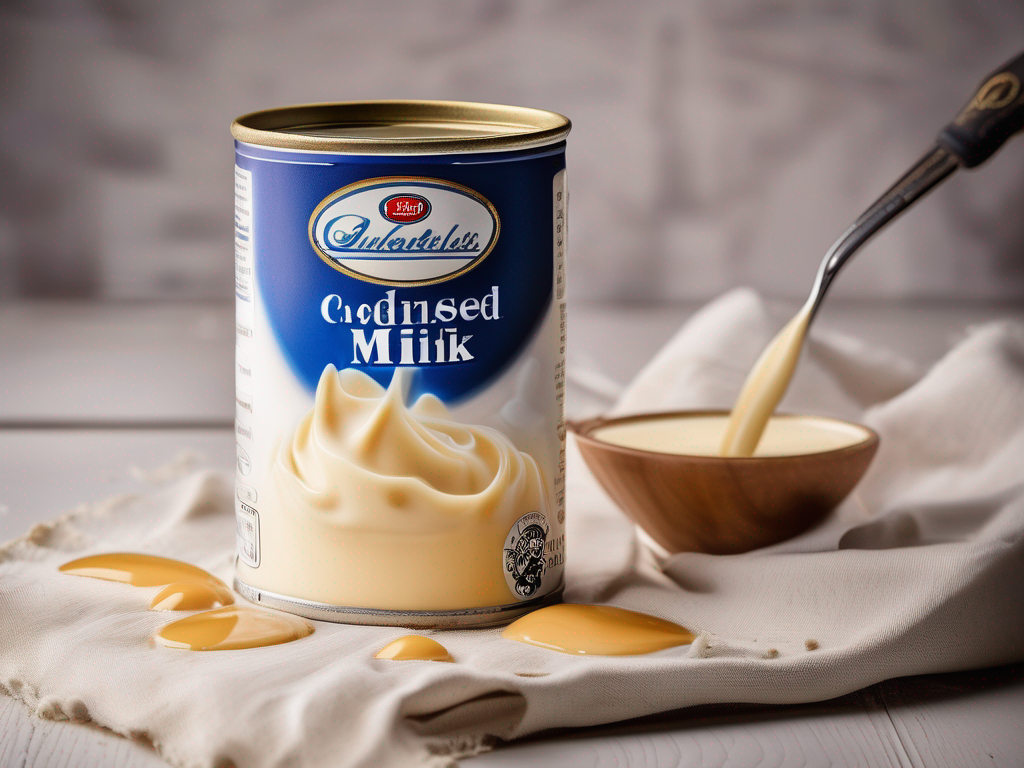
How Long Does Sweetened Condensed Milk Last in the Refrigerator?
CanIEatExpired.com Team
# How Long Does Sweetened Condensed Milk Last in the Refrigerator?

Sweetened condensed milk is a versatile and delicious ingredient that is commonly used in baking, desserts, and beverages. It is made by removing water from cow's milk and adding sugar, creating a thick, sweet syrup. But how long does sweetened condensed milk last in the refrigerator? In this blog post, we will explore the shelf life of sweetened condensed milk, proper storage methods, and tips for ensuring its safety and quality. ([Condensed milk](https://canieatexpired.com/food/condensed-milk))

## Understanding the Shelf Life of Sweetened Condensed Milk

Sweetened condensed milk typically comes in a can or tube packaging. The shelf life of sweetened condensed milk can vary depending on factors such as the packaging, storage conditions, and whether it has been opened or not. Here are some general guidelines for the shelf life of sweetened condensed milk:

### Unopened Sweetened Condensed Milk

- **Canned sweetened condensed milk**: When stored in a cool, dry place away from direct sunlight, unopened canned sweetened condensed milk can last for up to 1 year past the printed expiration date.
- **Tube-packaged sweetened condensed milk**: Unopened tube-packaged sweetened condensed milk can last for up to 6 months past the expiration date if stored properly.

### Opened Sweetened Condensed Milk

- Once opened, sweetened condensed milk should be stored in the refrigerator to maintain its quality and safety.
- **Canned sweetened condensed milk**: After opening, canned sweetened condensed milk can last for about 2 weeks in the refrigerator.
- **Tube-packaged sweetened condensed milk**: Opened tube-packaged sweetened condensed milk should be consumed within 1 week for best quality.

## common situation

Many people encounter sweetened condensed milk in their kitchens, often leading to questions about its longevity. For example, consider Sarah, an avid baker who opened a can of sweetened condensed milk to make a rich tres leches cake. After using just half, she placed the remaining milk in the fridge, but a week later, she forgot about it. When she finally noticed it again, Sarah was unsure if it was still safe to use. To avoid such situations, keeping track of opened products and their respective expiration timelines is crucial.

Another situation involves Tom, who loves experimenting with new recipes. He bought a tube of sweetened condensed milk for a special dessert but ended up using only a small amount. Two weeks later, he was about to dive into another dessert adventure but hesitated upon seeing the open tube. He recalled reading about spoilage and decided to check for signs before using it. By staying vigilant, he avoided a potential food safety issue.

## Proper Storage Tips for Sweetened Condensed Milk

Proper storage is essential for maintaining the freshness and safety of sweetened condensed milk. Follow these tips to ensure your sweetened condensed milk stays safe to consume:

### Refrigeration

- Always refrigerate sweetened condensed milk after opening to prevent spoilage.
- Store sweetened condensed milk in an airtight container or transfer it to a clean glass jar with a tight-fitting lid to maintain its freshness.
- Keep sweetened condensed milk away from strong-smelling foods in the refrigerator to prevent absorption of odors.

### Freezing

- Sweetened condensed milk can be frozen for extended storage. Transfer any unused portions to a freezer-safe container and label it with the date.
- Thaw frozen sweetened condensed milk in the refrigerator overnight before using it. Avoid thawing at room temperature to prevent bacterial growth.

### Check for Signs of Spoilage

- Before using sweetened condensed milk, always check for signs of spoilage, such as an off smell, unusual texture, or mold growth.
- If the sweetened condensed milk shows any signs of spoilage, discard it immediately to prevent foodborne illness.

## Common Mistakes

When it comes to storing and using sweetened condensed milk, many people make a few common mistakes.

- **Not sealing it properly**: After opening, some might think that just putting the lid back on the can or tube is enough. However, this often leaves gaps for air to enter, speeding up spoilage. Always transfer it to a tightly sealed container.

- **Ignoring the expiration date**: Some believe that as long as the milk looks and smells fine, it's safe to consume past the expiration date. However, it's crucial to consider how long it has been opened, as opened products are more susceptible to spoilage.

- **Thawing at room temperature**: As mentioned, many people may not realize that thawing sweetened condensed milk at room temperature can lead to dangerous bacterial growth. Always thaw it in the refrigerator for safety.

## Safety Precautions for Using Sweetened Condensed Milk

While sweetened condensed milk is a delicious ingredient, it is essential to handle it safely to avoid foodborne illnesses. Here are some safety precautions to keep in mind when using sweetened condensed milk:

### Avoid Contamination

- Use clean utensils and containers when scooping out sweetened condensed milk to prevent contamination.
- Do not consume sweetened condensed milk if the can or tube is damaged, bulging, or leaking.

### Do Not Consume Raw

- Sweetened condensed milk is not meant to be consumed raw. Always use it in recipes that require further cooking or baking to ensure food safety.

### Store Away from Heat

- Store sweetened condensed milk away from heat sources, such as stoves or ovens, to prevent spoiling.

## The Science Behind Sweetened Condensed Milk

Understanding the science of sweetened condensed milk can give you a deeper appreciation for this pantry staple. The process of making sweetened condensed milk involves evaporating most of the water from milk, which not only thickens the texture but also increases its shelf stability. The high sugar content acts as a preservative, which is why unopened sweetened condensed milk can last so long.

Moreover, the sugar in sweetened condensed milk contributes to its deliciously sweet flavor while also creating a hostile environment for some bacteria, thus prolonging its shelf life. However, it's essential to remember that once the package is opened, exposure to air and moisture can lead to spoilage, so proper storage becomes vital.

## Nutritional Considerations

Sweetened condensed milk is rich in calories and sugar, making it a delicious but indulgent addition to many recipes. One tablespoon contains about 62 calories and 11 grams of sugar. While it's a great source of energy, especially for those needing a quick pick-me-up, moderation is key. For those watching their sugar intake, consider using it sparingly in recipes or look for low-sugar alternatives.

## Expert Insights

Food safety professionals recommend the following best practices when using sweetened condensed milk:

- **Label your products**: Always label opened containers with the date you opened them. This simple step can help keep track of how long they've been in your fridge.

- **Use it creatively**: Consider incorporating sweetened condensed milk into various recipes beyond desserts—think coffee, smoothies, or even savory dishes that call for a hint of sweetness.

- **Plan ahead**: If you know you won’t use the rest of the can or tube within the recommended time frames, it might be worth freezing the leftover milk right away to avoid waste.

## Conclusion

Sweetened condensed milk is a pantry staple that can add richness and sweetness to a wide variety of dishes. By following proper storage guidelines, refrigerating opened cans or tubes, and checking for signs of spoilage, you can enjoy sweetened condensed milk safely and deliciously. Remember to consume sweetened condensed milk within the recommended time frames for the best quality and flavor. Enjoy experimenting with sweetened condensed milk in your favorite recipes while keeping food safety in mind. ([Condensed milk](https://canieatexpired.com/food/condensed-milk))

## Related Posts

Here are some other articles you might find helpful:

- [Can Evaporated Milk Spoil?](/blog/can-evaporated-milk-spoil)
- [Making the Most of Leftover Evaporated Milk: Creative Ways to Use It Before It Expires](/blog/easy-ways-to-use-up-leftover-evaporated-milk-before-it-goes-bad)
- [Comprehensive Guide to Properly Storing Evaporated Milk for Extended Shelf Life](/blog/how-to-properly-store-evaporated-milk-to-extend-its-shelf-life)
- [Can You Use Expired Condensed Milk for Baking?](/blog/can-you-use-expired-condensed-milk-for-baking-any-way)
- [How to Prevent Mold in Leftover Condensed Milk](/blog/preventing-mold-in-leftover-condensed-milk)
Authoritative Food Safety References
These agencies and university labs inform every tip and health precaution we publish.
USDAOfficial guidance
USDA FoodKeeper – Cold Storage Guidelines
Official refrigerator, freezer, and pantry timelines maintained by the U.S. Department of Agriculture.
Visit USDA FoodKeeperFDAOfficial guidance
FDA Produce Safety Rule & Grower Guidance
Field-to-fridge handling practices that prevent contamination of fruits, vegetables, and leafy greens.
Visit FDA Produce SafetyCDCOfficial guidance
CDC Foodborne Illness Prevention Hub
Surveillance-backed guidance on pathogens, symptoms, and steps to reduce foodborne illness risk.
Visit CDC Food SafetyResearchUniversity research
UC Davis Postharvest Technology Center
University research detailing optimal storage atmospheres for produce after harvest.
Visit UC Davis PostharvestResearchUniversity research
Penn State Extension – Home Food Preservation & Safety
Peer-reviewed extension bulletins on safe canning, chilling, and reheating practices.
Visit Penn State ExtensionDisclosure: As an Amazon Associate, we earn from qualifying purchases. This helps support our site and allows us to continue providing free food safety information.
Our articles are created using a combination of AI assistance and human review. All food safety information is based on USDA guidelines and credible sources. Learn more about our review process here.