The Ultimate Guide to Condensed Milk Expiration Date
CanIEatExpired.com Team
# The Ultimate Guide to Condensed Milk Expiration Date

Condensed milk is a versatile and delicious ingredient that can be used in various sweet and savory recipes. However, like any other food product, condensed milk also has an expiration date that consumers should be aware of. In this comprehensive guide, we will explore everything you need to know about condensed milk expiration dates, how to store it properly, and tips for ensuring its safety. ([Condensed milk](https://canieatexpired.com/food/condensed-milk))

## What is Condensed Milk?

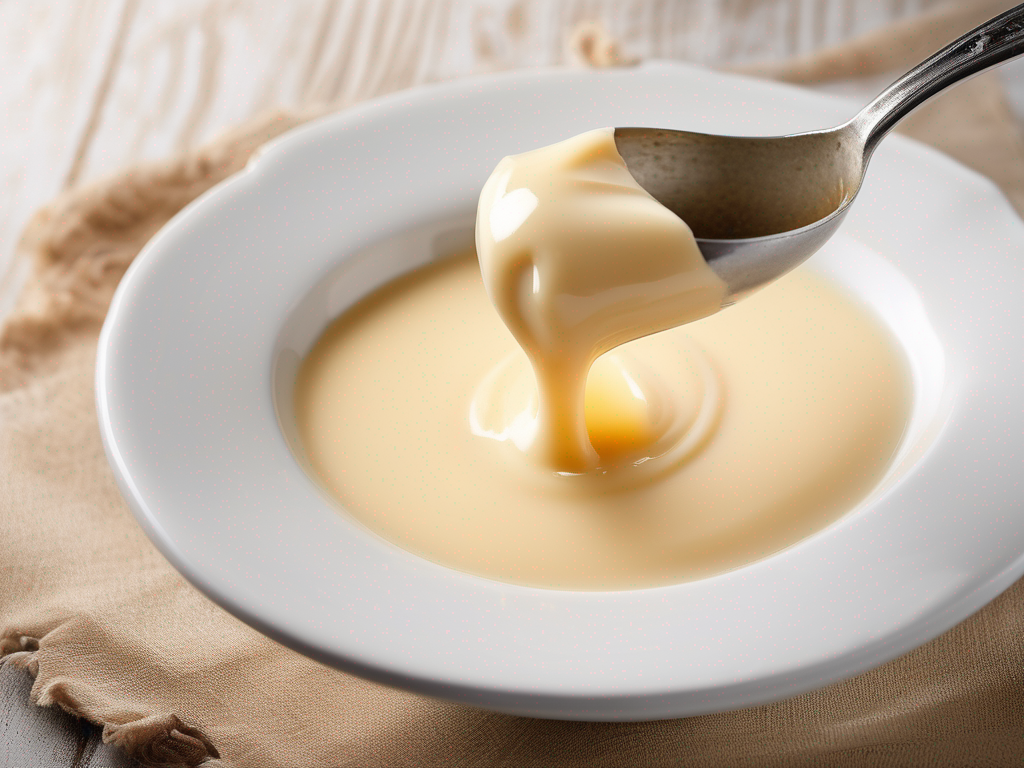
Condensed milk is a type of milk that has been sweetened and had water removed to create a thick, syrupy consistency. It is commonly used in baking, desserts, and beverages to add richness and sweetness. Condensed milk is a popular ingredient in dishes like fudge, ice cream, and tres leches cake.

For more information on condensed milk, you can check out this [condensed milk](/food/condensed milk) resource.

## Understanding the Expiration Date on Condensed Milk

The expiration date on condensed milk is an important indicator of its freshness and safety for consumption. Here are some key points to keep in mind:

### How to Read the Expiration Date

- The expiration date on condensed milk is typically printed on the can or packaging.
- It is important to check the expiration date before using the condensed milk in recipes.
- The expiration date indicates the last date that the product is guaranteed to be at its peak quality.

### Factors Affecting Expiration

- Factors such as storage conditions and handling can affect the shelf life of condensed milk.
- Proper storage is crucial in extending the shelf life of condensed milk.

## Proper Storage of Condensed Milk

Proper storage of condensed milk is essential in maintaining its quality and safety. Here are some tips for storing condensed milk:

### Refrigeration

- Once opened, condensed milk should be refrigerated.
- Store the opened can or container of condensed milk in an airtight container to prevent odors from affecting its flavor.
- Condensed milk can typically last in the refrigerator for up to two weeks after opening.

### Freezing

- Condensed milk can be frozen to extend its shelf life.
- Transfer unused portions of condensed milk to a freezer-safe container.
- When ready to use, thaw the frozen condensed milk in the refrigerator.

## Safety Tips for Using Condensed Milk

When using condensed milk in recipes, it is important to follow safety guidelines to prevent foodborne illnesses. Here are some safety tips to keep in mind:

### Avoid Contamination

- Ensure that utensils and containers used with condensed milk are clean and sanitized.
- Do not use condensed milk that shows signs of spoilage, such as off odors or discoloration.

### Check for Signs of Spoilage

- Before using condensed milk, check for any signs of spoilage, such as mold growth or off flavors.
- If the condensed milk appears spoiled, discard it immediately.

### Use By Date

- Always check the expiration date on the condensed milk before using it in recipes.
- Using expired condensed milk can affect the taste and quality of your dishes.

## common situation

Many people encounter situations where they might be unsure about the usability of their condensed milk. For instance, Sarah, a passionate baker, had a can of condensed milk she bought for a previous dessert recipe. Several months later, she decided to make her famous tres leches cake. When she checked the expiration date, she noticed it had passed. Instead of tossing the can, she decided to open it first. Surprisingly, the milk looked and smelled fine, and after cooking with it, her cake turned out just as delicious as ever! This serves as a reminder that sometimes, our senses can be trusted, but caution should always be exercised.

Another story involves Mark, a busy dad who often uses condensed milk in his coffee. He had a habit of buying several cans at once, thinking he would always have some on hand. One day, he found a can at the back of his pantry that had expired. Instead of throwing it away right away, he inspected it thoroughly. Although the can was undamaged, he still decided to use it for a homemade dessert instead of his coffee! It ended up being a delightful addition to his family’s dessert night.

## Scientific Context

Condensed milk undergoes a process that significantly extends its shelf life. The removal of water not only gives it a dense texture but also inhibits the growth of bacteria. The high sugar content acts as a preservative, further prolonging its usability when stored correctly. This is why, even after the expiration date, unopened condensed milk may remain safe for consumption for some time. However, it's essential to note that quality may decline, affecting flavor and texture.

Understanding the science behind food preservation can help consumers make better choices. Essentially, when food products are processed, several factors come into play, including temperature, acidity, and moisture levels. For condensed milk, the combination of low moisture and high sugar creates an environment that is less hospitable to harmful microbes.

## Practical Tips for Using Condensed Milk

Here are some additional practical tips for ensuring you get the most out of your condensed milk:

1. **Labeling**: When transferring condensed milk to a new container, make sure to label it with the date opened or frozen. This will help you keep track of how long it's been stored.

2. **Portion Control**: If you're using condensed milk in smaller amounts, consider pouring it into ice cube trays and freezing them. This way, you can defrost just the portion you need for your recipes.

3. **Use Within Two Weeks**: After opening, try to use the condensed milk within two weeks. Although it may remain safe for longer, the quality might not be as good.

4. **Temperature Control**: When cooking or baking with condensed milk, avoid exposing it to high temperatures for extended periods, as this can alter its flavor and consistency.

## Common Mistakes

One of the most frequent mistakes people make with condensed milk is assuming that it has the same shelf life as other canned goods. While it does have a long shelf life, it isn't indefinite, especially once opened. Additionally, some people believe that if condensed milk looks fine, it’s safe to use without checking the expiration date. This can lead to unpleasant surprises and potentially compromised dishes.

Another common misconception is that freezing condensed milk ruins its texture. In reality, while it may separate upon thawing, a good stir or blend can help regain its creamy consistency. Embracing this method can be a lifesaver for those who don’t use condensed milk frequently.

## Expert Insights

Food safety experts recommend always erring on the side of caution. Even if a product is past its expiration date, checking for obvious signs of spoilage is crucial. If you're unsure, it’s best to discard it. As a general rule, if it smells or looks off, it likely is.

Also, food safety specialists advise consumers to maintain a clean pantry and fridge. Regularly check items and organize them by expiration date to ensure older items are used first. This helps minimize waste and ensures you enjoy your ingredients at their best.

## Conclusion

In conclusion, understanding the expiration date on condensed milk is essential for ensuring its safety and quality. By following proper storage guidelines and safety tips, you can enjoy the delicious flavor of condensed milk in your favorite recipes. Remember to always check the expiration date, store it properly, and discard any spoiled or expired condensed milk. Enjoy cooking with condensed milk and create delightful dishes for you and your loved ones. ([Condensed milk](https://canieatexpired.com/food/condensed-milk))

## Related Posts

Here are some other articles you might find helpful:

- [The Shelf Life of Canned Milk: Everything You Need to Know](/blog/shelf-life-of-canned-milk)
- [How Long Does Sweetened Condensed Milk Last in the Refrigerator?](/blog/how-long-does-sweetened-condensed-milk-last-in-the-refrigerator)
- [Can Evaporated Milk Spoil?](/blog/can-evaporated-milk-spoil)
- [Making the Most of Leftover Evaporated Milk: Creative Ways to Use It Before It Expires](/blog/easy-ways-to-use-up-leftover-evaporated-milk-before-it-goes-bad)
- [Comprehensive Guide to Properly Storing Evaporated Milk for Extended Shelf Life](/blog/how-to-properly-store-evaporated-milk-to-extend-its-shelf-life)
Authoritative Food Safety References
These agencies and university labs inform every tip and health precaution we publish.
USDAOfficial guidance
USDA FoodKeeper – Cold Storage Guidelines
Official refrigerator, freezer, and pantry timelines maintained by the U.S. Department of Agriculture.
Visit USDA FoodKeeperFDAOfficial guidance
FDA Produce Safety Rule & Grower Guidance
Field-to-fridge handling practices that prevent contamination of fruits, vegetables, and leafy greens.
Visit FDA Produce SafetyCDCOfficial guidance
CDC Foodborne Illness Prevention Hub
Surveillance-backed guidance on pathogens, symptoms, and steps to reduce foodborne illness risk.
Visit CDC Food SafetyResearchUniversity research
UC Davis Postharvest Technology Center
University research detailing optimal storage atmospheres for produce after harvest.
Visit UC Davis PostharvestResearchUniversity research
Penn State Extension – Home Food Preservation & Safety
Peer-reviewed extension bulletins on safe canning, chilling, and reheating practices.
Visit Penn State ExtensionDisclosure: As an Amazon Associate, we earn from qualifying purchases. This helps support our site and allows us to continue providing free food safety information.
Our articles are created using a combination of AI assistance and human review. All food safety information is based on USDA guidelines and credible sources. Learn more about our review process here.