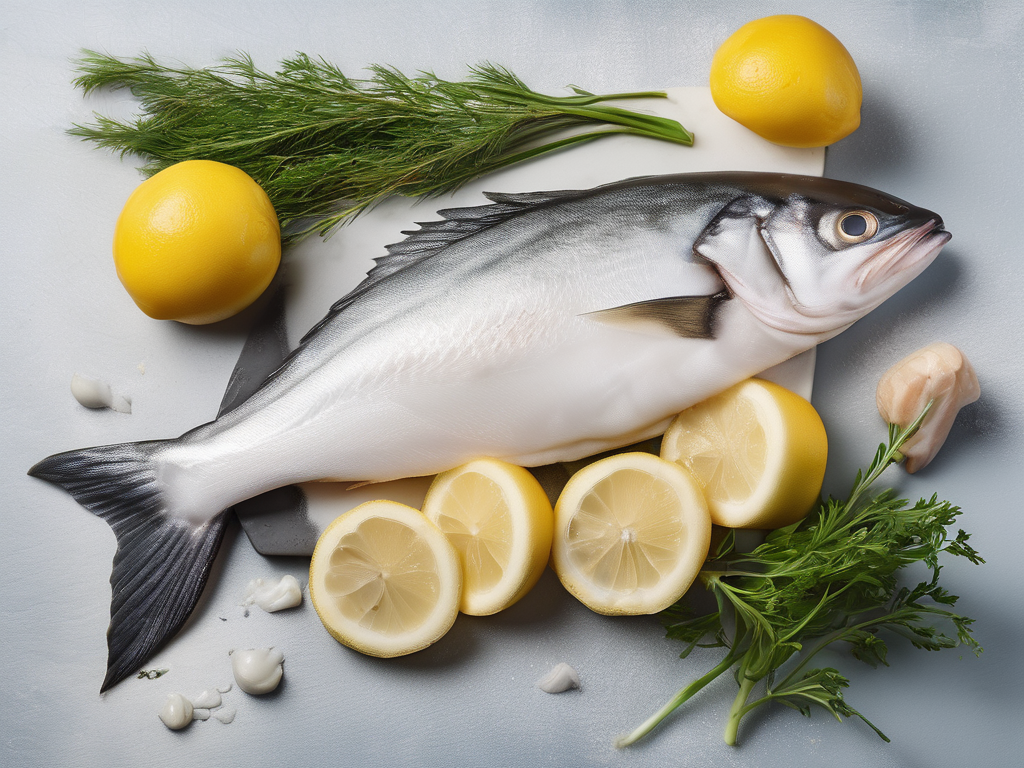
How Long Can Haddock Fresh Raw Be Refrigerated Before It Goes Bad
CanIEatExpired.com Team
# How Long Can Haddock Fresh Raw Be Refrigerated Before It Goes Bad

When it comes to seafood, freshness is key not only for flavor but also for food safety. Haddock, a mild and flaky white fish, is a popular choice for many seafood lovers. However, ensuring the freshness and proper storage of haddock is crucial to prevent spoilage and foodborne illnesses. In this blog post, we will delve into how long haddock fresh raw can be refrigerated before it goes bad, and provide you with practical tips to ensure food safety. ([Haddock fresh raw](https://canieatexpired.com/food/haddock-fresh-raw))

## Understanding Haddock Fresh Raw

[Haddock fresh raw](/food/haddock fresh raw) refers to uncooked haddock that has been recently caught or purchased from a seafood market. This type of haddock is highly perishable and requires proper handling and storage to maintain its quality and safety.

### Characteristics of Haddock Fresh Raw:

- Mild flavor
- White, flaky flesh
- Low in fat
- High in protein and nutrients

## Refrigerating Haddock Fresh Raw

Refrigeration is essential for preserving the freshness of haddock fresh raw and preventing bacterial growth. Here are some key points to keep in mind when refrigerating haddock:

### Storage Temperature:

- Store haddock fresh raw in the coldest part of your refrigerator, ideally at a temperature of 32°F to 38°F (0°C to 3°C).
- Avoid storing haddock in the refrigerator door as temperatures fluctuate more in this area.

### Packaging:

- Place haddock fresh raw in an airtight container or a resealable plastic bag to prevent cross-contamination and odors from other foods.
- If the haddock is wrapped in plastic wrap from the store, ensure it is tightly sealed to maintain freshness.

### Shelf Life:

- Haddock fresh raw can typically be refrigerated for up to 1 to 2 days before it starts to deteriorate in quality.
- The fresher the haddock when purchased, the longer it can be safely refrigerated.

### Signs of Spoilage:

- Check for any off smells, sliminess, or discoloration on the haddock. If you notice any of these signs, it is best to discard the fish.
- Fresh haddock should have a mild, briny scent and firm, translucent flesh.

## common situation

Imagine you’re at your local fish market, eagerly anticipating a delicious haddock dinner. You pick up a fresh fillet, and the vendor assures you it was caught that morning. You head home, but life gets busy, and that beautiful fish sits in your refrigerator for a couple of days. You might think, “It still looks fine!” But as we know, looks can be deceiving. This is why knowing how long haddock can last in the fridge is essential.

Another situation might be a family gathering where haddock is on the menu. You’ve prepared the dish ahead of time, but the gathering gets delayed by a couple of hours. It’s a situation many can relate to, and knowing how long fish can sit safely before serving is crucial to ensure everyone enjoys a safe meal without worry.

In a different situation, Common situations include student with a tight schedule. They buy a pack of haddock thinking they'll cook it that evening, but end up with late-night study sessions instead. It's easy to forget about that haddock in the fridge. Understanding proper storage and signs of spoilage can help avoid food waste and ensure safety.

## Tips for Keeping Haddock Fresh Raw Longer

To extend the shelf life of haddock fresh raw and maintain its quality, consider the following tips:

1. **Proper Handling**: Always handle haddock fresh raw with clean hands and utensils to prevent contamination.
2. **Quick Chilling**: Refrigerate haddock promptly after purchase to slow down bacterial growth.
3. **Use-by Date**: Follow the use-by date on the packaging if purchased from a store to ensure freshness.
4. **Proper Thawing**: If you freeze haddock fresh raw for later use, thaw it in the refrigerator overnight rather than at room temperature.
5. **Limit Exposure**: Try to minimize the time haddock is out of refrigeration during meal prep. Only take it out when you’re ready to start cooking.
6. **Ice Packs**: If you’re transporting haddock and might not get it back into the refrigerator immediately, consider using ice packs to keep it cool.

## Common Mistakes

Many people don’t realize that the way they store fish can significantly affect its freshness. One common mistake is leaving fish in its original packaging, thinking it will keep it fresh longer. While store packaging may seem secure, transferring it to an airtight container can provide better protection against air and moisture, which can lead to spoilage.

Another mistake involves the refrigerator's temperature. Many consumers assume that just because the fridge is cold, it’s adequately preserving their food. However, keeping seafood at the optimal temperature range of 32°F to 38°F is critical for preventing bacteria from thriving. A digital thermometer can be a great investment to ensure your refrigerator maintains the proper temperature.

## Scientific Context

Understanding the science behind food safety can help demystify the importance of proper storage. Fish, like haddock, is highly perishable due to its high protein content and moisture. When stored at higher temperatures, spoilage bacteria multiply rapidly. One of the most concerning bacteria found in fish is *Vibrio*, which can cause serious illness.

According to the FDA, fish should be kept at 32°F to minimize the risk of bacterial growth. Additionally, when freezing fish, it’s essential to do so at 0°F (-18°C) to halt bacterial growth entirely. It’s worth noting that while freezing can extend the shelf life significantly, the quality may degrade over time, so it’s advisable to use frozen fish within three months for optimal flavor and texture.

## Expert Insights

Food safety experts recommend always being aware of the “smell test.” Fresh fish should have a clean, ocean-like smell. If it begins to smell sour or overly fishy, that’s a clear sign it has gone bad.

Furthermore, experts suggest cooking fish to an internal temperature of 145°F (63°C) to ensure that any potential pathogens are killed. This is especially important for high-risk populations, including pregnant women, young children, and the elderly.

Experts also emphasize the importance of "first in, first out" when it comes to storage. If you have multiple packages of haddock, always use the older one first to minimize waste and ensure freshness.

## Storage Methods

Besides refrigeration, there are several effective methods for storing haddock:

### Freezing

If you’re not planning to cook your haddock within 1 to 2 days, consider freezing it. Wrap the fish tightly in plastic wrap, then place it in a freezer bag to prevent freezer burn. Properly stored, haddock can last for up to 6 months in the freezer. Just remember to label your packages with the date to keep track of their freshness!

### Vacuum Sealing

For even better preservation, consider using a vacuum sealer. This method removes air from the packaging, significantly slowing down spoilage and freezer burn. Vacuum-sealed haddock can maintain its quality for up to a year in the freezer.

### Marinades

Another fun way to extend the shelf life of haddock is to marinate it before freezing. This not only adds flavor but can help preserve the fish as well. Just be sure to freeze it immediately after marinating to prevent the growth of bacteria.

## Safety Warnings

When it comes to seafood, a few essential safety warnings should always be kept in mind:

- **Cross-Contamination**: Always use separate cutting boards and utensils for raw fish to avoid contaminating other foods.
- **Thawing**: Never thaw haddock at room temperature, as this can encourage bacterial growth. Always opt for refrigerator thawing or use the cold water method if you’re in a hurry.
- **Discarding**: If in doubt, throw it out. If you’re unsure whether your haddock is still good, it’s safer to err on the side of caution.

## Conclusion

In conclusion, haddock fresh raw can be refrigerated for 1 to 2 days before its quality starts to decline. By following proper storage practices, such as maintaining the right temperature, packaging the fish correctly, and being mindful of signs of spoilage, you can enjoy fresh and safe haddock for a delicious meal. Remember to prioritize food safety when handling seafood to prevent foodborne illnesses and ensure a pleasurable dining experience. ([Haddock fresh raw](https://canieatexpired.com/food/haddock-fresh-raw))

## Related Posts

Here are some other articles you might find helpful:

- [The Ultimate Guide to Storing Haddock Fresh Raw](/blog/most-effective-methods-for-storing-haddock-fresh-raw-to-prevent-spoilage)
- [How to Properly Store Fresh Raw Haddock in the Refrigerator](/blog/what-is-the-best-way-to-store-haddock-fresh-raw-in-the-refrigerator)
- [How to Tell if Your Haddock Fresh Raw has Gone Bad](/blog/how-can-i-tell-if-my-haddock-fresh-raw-has-gone-bad)
Authoritative Food Safety References
These agencies and university labs inform every tip and health precaution we publish.
USDAOfficial guidance
USDA FoodKeeper – Cold Storage Guidelines
Official refrigerator, freezer, and pantry timelines maintained by the U.S. Department of Agriculture.
Visit USDA FoodKeeperFDAOfficial guidance
FDA Produce Safety Rule & Grower Guidance
Field-to-fridge handling practices that prevent contamination of fruits, vegetables, and leafy greens.
Visit FDA Produce SafetyCDCOfficial guidance
CDC Foodborne Illness Prevention Hub
Surveillance-backed guidance on pathogens, symptoms, and steps to reduce foodborne illness risk.
Visit CDC Food SafetyResearchUniversity research
UC Davis Postharvest Technology Center
University research detailing optimal storage atmospheres for produce after harvest.
Visit UC Davis PostharvestResearchUniversity research
Penn State Extension – Home Food Preservation & Safety
Peer-reviewed extension bulletins on safe canning, chilling, and reheating practices.
Visit Penn State ExtensionDisclosure: As an Amazon Associate, we earn from qualifying purchases. This helps support our site and allows us to continue providing free food safety information.
Our articles are created using a combination of AI assistance and human review. All food safety information is based on USDA guidelines and credible sources. Learn more about our review process here.