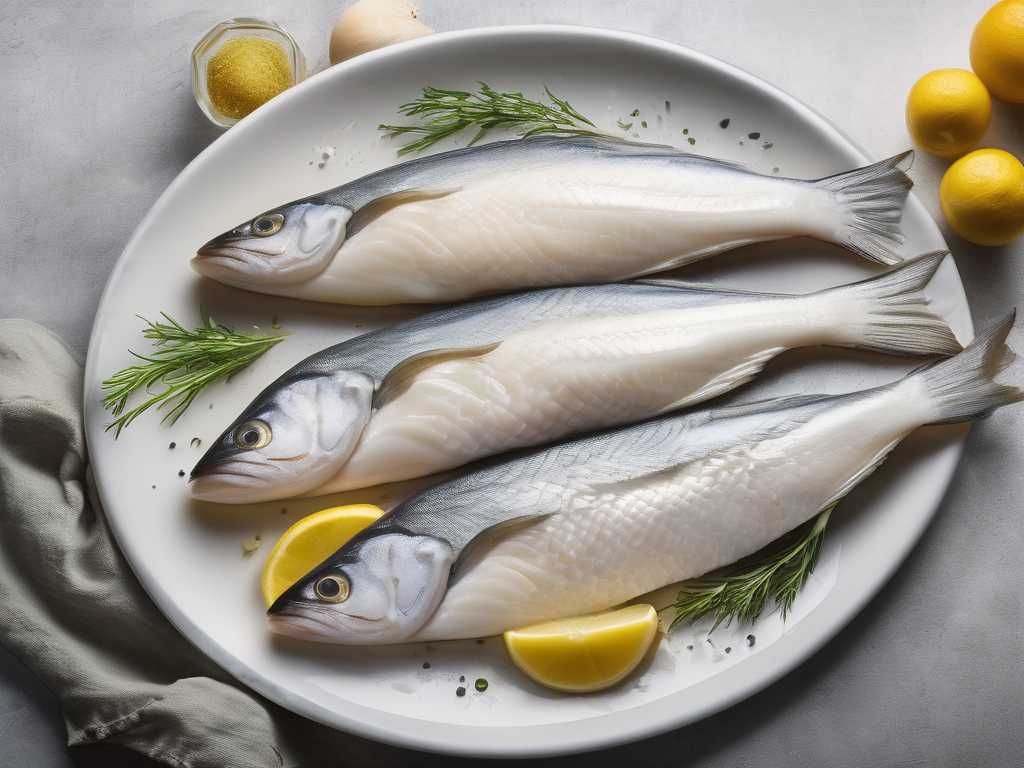
The Ultimate Guide to Storing Haddock Fresh Raw
The Ultimate Guide to Storing Haddock Fresh Raw
Haddock is a delicious and versatile fish that can be enjoyed in various dishes. To fully enjoy its fresh taste and prevent spoilage, proper storage methods are essential. In this comprehensive guide, we will explore the most effective ways to store haddock fresh raw to maintain its quality and safety. (Haddock fresh raw)
Importance of Proper Storage for Haddock Fresh Raw
Proper storage of haddock fresh raw is crucial for maintaining its quality and preventing spoilage. Here are a few reasons why storing haddock correctly is important:
Retaining Freshness:
- Proper storage helps retain the fresh taste and texture of the haddock.
- Preventing exposure to air and bacteria can extend the shelf life of the fish.
Food Safety:
- Storing haddock fresh raw correctly reduces the risk of foodborne illnesses caused by bacteria or parasites.
- Proper storage helps maintain the nutritional value of the fish.
Cost-Effectiveness:
- By storing haddock properly, you can avoid wastage and save money on buying fresh fish frequently.
Best Methods for Storing Haddock Fresh Raw
When it comes to storing haddock fresh raw, there are several effective methods you can follow to ensure its freshness and safety:
Seafood is highly perishable and requires consistent cold storage. A refrigerator thermometer (Amazon) helps ensure your refrigerator maintains safe temperatures (40°F or below) to prevent spoilage.
1. Refrigeration:
- Temperature: Store haddock fresh raw in the coldest part of the refrigerator, ideally at temperatures between 32°F to 38°F (0°C to 3°C).
- Packaging: Place the fish in an airtight container or wrap it tightly in plastic wrap to prevent exposure to air and odors.
- Shelf Life: Fresh haddock can be stored in the refrigerator for up to 2-3 days.
2. Freezing:
- Preparation: Before freezing, ensure the haddock is cleaned, gutted, and filleted.
- Packaging: Wrap the fish tightly in freezer-safe bags or vacuum-sealed bags to prevent freezer burn.
- Temperature: Store frozen haddock at 0°F (-18°C) or below for optimal quality.
- Shelf Life: Frozen haddock can be stored for up to 6 months without compromising quality.
3. Proper Handling:
- Thawing: When thawing frozen haddock, do so in the refrigerator overnight or under cold running water. Avoid thawing at room temperature.
- Cross-Contamination: Always wash hands, utensils, and surfaces that come in contact with raw haddock to prevent cross-contamination with other foods.
4. Odor Control:
- Absorb Odors: To prevent fishy odors from spreading in the refrigerator, place haddock in a container with baking soda or activated charcoal.
5. Quality Check:
- Freshness: Check the smell and appearance of haddock before cooking. Fresh haddock should have a mild ocean smell and firm flesh.
common situation
Understanding the importance of proper storage becomes even clearer when we look at common situation.
situation 1: The Family Gathering
Imagine you're hosting a family gathering, and you decide to prepare a delicious haddock dish that everyone will love. You buy fresh haddock the day before, but when you get home, you forget to store it properly. The next day, when you take it out, the fish has developed an off smell, and the texture seems mushy. You realize that if you had followed proper refrigeration techniques, you could have avoided this disappointment and served a delightful meal instead.
situation 2: The Busy Professional
Take the case of a busy professional who often buys fresh haddock on their way home from work, intending to whip up a healthy dinner. They place the fish in the fridge but forget about it as the week goes on. When they finally remember it, they find that it has gone bad. If they had frozen the fish right away, they would have had the convenience of enjoying it later without spoiling.
Proper packaging is crucial when freezing seafood. Using freezer-safe storage bags (Amazon) helps preserve texture, prevent freezer burn, and maintain quality during storage.
situation 3: The First-Time Cook
Common situations include cook who is excited to try their hand at preparing haddock for the first time. They purchase a beautiful fillet but are unsure how to store it overnight. They leave it out on the counter while they look up some recipes. The next day, they find the fish has spoiled, leading to disappointment and food safety concerns. If they had known the importance of refrigeration or freezing, they could have enjoyed a lovely meal without distress.
Scientific Context of Freshness and Safety
When it comes to seafood, freshness is paramount. The quality of fish can decline rapidly due to several factors, including temperature fluctuations, exposure to air, and bacterial growth.
Microbial Growth: One of the primary concerns with fresh fish like haddock is the growth of bacteria, such as Vibrio and Listeria, which can cause foodborne illnesses. These bacteria thrive in temperatures above 40°F (4°C), making it essential to keep haddock stored in the right temperature range.
Nutritional Value: Haddock is rich in protein, omega-3 fatty acids, and various vitamins and minerals. However, as fish ages, its nutritional value can diminish. Studies have shown that the best way to retain the nutritional benefits of fish is to consume it fresh or freeze it soon after purchase.
Practical Tips for Storing Haddock
Label and Date
One simple yet effective way to manage your haddock storage is to label and date your packages. When you freeze haddock, write the date on the bag. This practice helps you keep track of how long it has been stored and ensures you use it within the recommended timeframe.
Use Ice Packs
If you’re transporting fresh haddock, such as from the market to home, consider using ice packs or a cooler to maintain a low temperature. This method can minimize the risk of temperature abuse, keeping your fish fresh as you travel.
Divide Portions
If you're not planning to use the entire catch at once, consider portioning the haddock before freezing. This way, you can take out only what you need, which helps maintain the quality of the remaining fish.
Store Accompanying Ingredients
If you plan to cook haddock with certain ingredients, consider storing them together. For instance, if you buy fresh herbs or vegetables that will accompany your fish, keep them in close proximity in the fridge. This not only saves space but also ensures that when you’re ready to cook, you have everything at hand without having to rummage through your pantry.
Common Mistakes in Storing Haddock
Many people unknowingly make mistakes that can affect the quality of their haddock. Here are a few common pitfalls to avoid:
1. Storing in Original Packaging
Many assume that the original packaging from the fishmonger is sufficient for storage. However, these packages may not provide a tight seal, allowing air and moisture in. Always transfer to airtight containers or vacuum-seal.
2. Leaving at Room Temperature
A common mistake is leaving fresh haddock out on the counter for extended periods. As mentioned earlier, bacteria can multiply quickly at room temperature, which can lead to spoilage. Always refrigerate or freeze as soon as possible.
3. Not Checking the Use-By Date
If you purchase pre-packaged haddock, don't forget to check the use-by date. While fresh fish can last a few days, packaged fish may have different timelines. Consuming it after this date can pose food safety risks.
4. Ignoring Sensory Cues
Some people may overlook key sensory cues like smell and texture when determining if their haddock is still good to eat. If the fish smells overly fishy or has developed a slimy coating, it's best to err on the side of caution.
Expert Insights
As a food safety expert, I recommend always being mindful of the source of your haddock. Buying from reputable sources not only ensures freshness but also reduces the risk of contaminated seafood. Look for certifications from organizations that adhere to sustainable fishing practices.
Additionally, consider incorporating more seafood into your diet, as it can offer numerous nutritional quality. If you have dietary concerns, consulting with a nutritionist about how to include fish like haddock can be beneficial. They can provide insights into balancing your meals and ensuring you receive the right nutrients.
Safety Warnings
While enjoying haddock, always be vigilant about the signs of spoilage. If you notice any of the following, it's best to discard the fish:
- A sour or off smell
- Slimy texture
- Discoloration or dull appearance
Remember, when in doubt, throw it out! Consuming spoiled fish can lead to serious health issues.
Conclusion
Storing haddock fresh raw properly is essential for maintaining its quality, freshness, and safety. By following the methods outlined in this guide, you can enjoy delicious haddock dishes without worrying about spoilage or foodborne illnesses. Remember to always practice proper food safety measures and check the quality of the fish before consumption.
For more information on haddock fresh raw, visit [here](/food/haddock fresh raw) to explore our range of high-quality seafood products. Happy cooking and enjoy your fresh haddock! (Haddock fresh raw)
Related Posts
Here are some other articles you might find helpful:
Authoritative Food Safety References
These agencies and university labs inform every tip and health precaution we publish.
USDA FoodKeeper – Cold Storage Guidelines
Official refrigerator, freezer, and pantry timelines maintained by the U.S. Department of Agriculture.
Visit USDA FoodKeeperFDA Produce Safety Rule & Grower Guidance
Field-to-fridge handling practices that prevent contamination of fruits, vegetables, and leafy greens.
Visit FDA Produce SafetyCDC Foodborne Illness Prevention Hub
Surveillance-backed guidance on pathogens, symptoms, and steps to reduce foodborne illness risk.
Visit CDC Food SafetyUC Davis Postharvest Technology Center
University research detailing optimal storage atmospheres for produce after harvest.
Visit UC Davis PostharvestPenn State Extension – Home Food Preservation & Safety
Peer-reviewed extension bulletins on safe canning, chilling, and reheating practices.
Visit Penn State ExtensionDisclosure: As an Amazon Associate, we earn from qualifying purchases. This helps support our site and allows us to continue providing free food safety information.