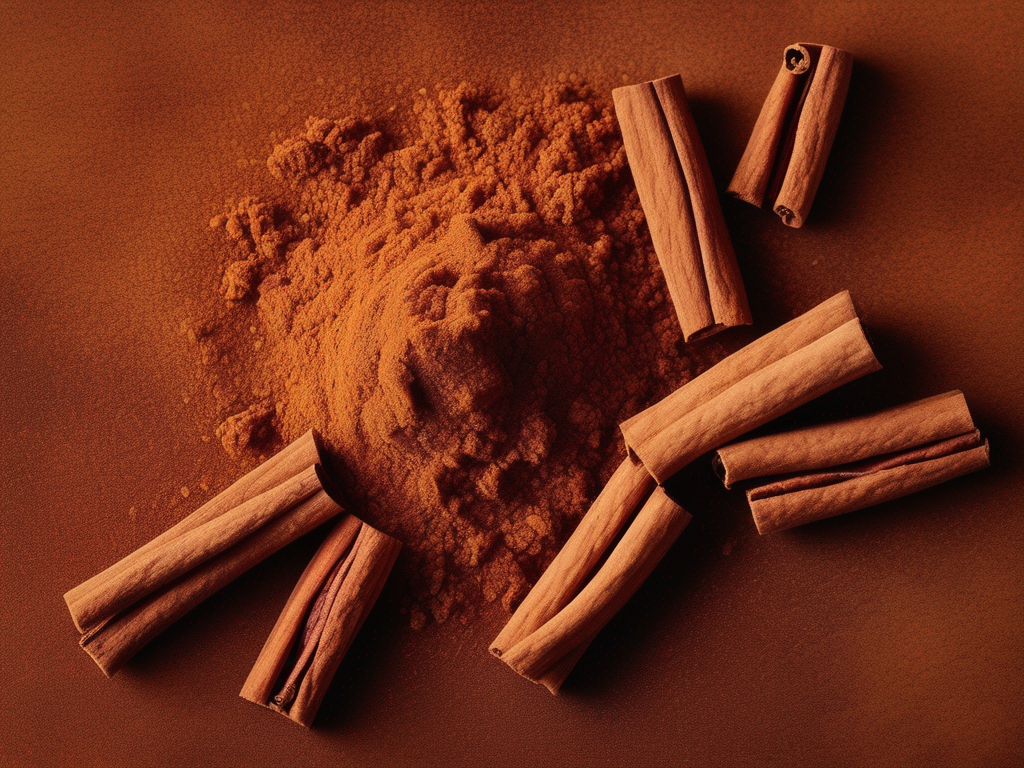
Easy Ways to Determine if Ground Cinnamon is Expired or Safe to Use
CanIEatExpired.com Team
# Easy Ways to Determine if Ground Cinnamon is Expired or Safe to Use

Ground cinnamon is a versatile spice that adds warmth and depth to both sweet and savory dishes. Whether you use it in baking, cooking, or sprinkled on top of your morning latte, ensuring that your ground cinnamon is fresh and safe to use is crucial for both flavor and food safety. In this blog post, we will explore easy ways to determine if ground cinnamon is expired or safe to use, so you can enjoy its delicious taste without any worries. ([Ground cinnamon](https://canieatexpired.com/food/ground-cinnamon))

## Why Checking Ground Cinnamon for Freshness is Important

Before we dive into how to determine if ground cinnamon is expired or safe to use, let's understand why checking for freshness is crucial:

1. **Flavor:** Fresh ground cinnamon has a vibrant and robust flavor that can enhance your dishes. If the spice is expired, it may lose its potency and flavor, resulting in a lackluster taste.

2. **Safety:** Using expired spices, including ground cinnamon, can pose health risks. Expired spices may harbor harmful bacteria, mold, or contaminants that can cause foodborne illnesses.

3. **Economic Value:** Checking the freshness of your ground cinnamon ensures that you are using it at its peak flavor, maximizing its value and preventing unnecessary waste.

## How to Check if Ground Cinnamon is Expired or Safe to Use

### 1. Check the Expiration Date

- Look for the expiration date on the packaging of the ground cinnamon. While spices do not technically expire, they can lose their potency over time.

### 2. Inspect the Color and Aroma

- **Color:** Fresh ground cinnamon has a rich reddish-brown color. If the spice appears dull or grayish, it may be past its prime.

- **Aroma:** Give the ground cinnamon a sniff. Fresh cinnamon should have a strong, sweet, and spicy aroma. If it smells musty or stale, it's time to replace it.

### 3. Perform a Taste Test

- While ground cinnamon is potent, tasting a small amount can help determine its freshness. If the spice tastes bland or has a bitter aftertaste, it's best to discard it.

### 4. Store Properly

- Proper storage plays a crucial role in preserving the freshness of ground cinnamon. Store the spice in an airtight container in a cool, dark place away from heat and moisture. Avoid storing it near the stove or in direct sunlight.

### 5. Conduct a Visual Inspection

- Remove a small amount of ground cinnamon from the container and inspect it closely. Look for any signs of mold, clumping, or discoloration. If you notice any of these signs, it's best to replace the spice.

## common situation

Let’s Common situations include relatable situations where you might find yourself questioning the safety of your ground cinnamon.

### situation 1: The Holiday Baking Marathon

Imagine it’s the holiday season, and you’re gearing up for a baking marathon. You pull out your trusty jar of ground cinnamon, only to realize it’s been in your pantry since last year. You remember how the smell of fresh cinnamon used to fill your kitchen, but now you’re unsure if it still has that delightful aroma. By following the steps above, you can quickly assess whether your cinnamon is still good to use or if it’s time to buy a fresh jar to make those holiday cookies truly special.

### situation 2: The Last-Minute Recipe

Picture this: you’re whipping up a recipe for a last-minute dinner party and realize you’re missing ground cinnamon. You grab a jar from the back of your pantry, but it looks a bit dusty and you can’t remember when you bought it. Instead of risking the flavor of your dish, you take a moment to check the color and aroma. A quick sniff tells you that your cinnamon has lost its potent, sweet scent. Instead of using it, you decide to make a quick trip to the store for a fresh batch, ensuring that your dish will have the vibrant flavor you were aiming for.

## Scientific Context

Understanding the science behind spices can illuminate why freshness is paramount. Ground cinnamon contains essential oils and compounds such as cinnamaldehyde, which contribute to its flavor and aroma. Over time, exposure to air, light, and moisture can break down these compounds, causing the spice to lose its potency. According to food scientists, the flavor compounds in spices can start to degrade within six months to a year after being opened, depending on storage conditions. This is why proper storage is essential, and checking the freshness of your spices should be part of your regular kitchen routine.

## Practical Tips for Extending Freshness

Here are some additional actionable tips to help you maximize the shelf life of your ground cinnamon:

- **Labeling:** When you purchase ground cinnamon, write the purchase date on the container. This way, you’ll have a clear reference for how long it’s been in your pantry.

- **Freezing:** If you buy spices in bulk, consider freezing them in small amounts. This method can help preserve their flavor by minimizing exposure to air and light.

- **Using Smaller Containers:** If you don’t use ground cinnamon frequently, consider transferring a small amount into a smaller, airtight container. This will reduce the amount of spice exposed to air each time you open the larger container.

## Common Mistakes People Make

There are several misconceptions when it comes to using and storing spices like ground cinnamon. Here are some common mistakes to avoid:

- **Ignoring the Expiry Date:** Many people think spices last indefinitely, which isn’t true. While they may not go "bad" in the way perishable foods do, they can lose their flavor and effectiveness over time.

- **Storing in the Wrong Place:** Storing ground cinnamon near heat sources like the stove or in a kitchen cabinet that gets a lot of sunlight can significantly shorten its shelf life. Always opt for a cool, dark place instead.

- **Not Tasting or Smelling Before Use:** Some cooks skip the smell or taste test, thinking that if it looks fine, it’s good to use. This can lead to disappointing can increase the likelihood of your dishes. Always give your spices a quick check before adding them to your recipes.

## Expert Insights

As a food safety expert, I always emphasize the importance of sensory checks—sight, smell, and taste. If you’re ever in doubt about the freshness of a spice, it’s better to err on the side of caution. While the risk of foodborne illness from expired spices is relatively low, stale spices can ruin the culinary experience you aim to create.

I’ve found that many home cooks often overlook their spice cabinets during routine kitchen cleanups. Making it a habit to check the freshness of your spices every few months can save you money and improve your cooking immensely.

## Safety Warnings

Be cautious of any signs of spoilage in your ground cinnamon. If you notice any signs of mold, unusual clumping, or an off smell, discard it immediately. Using spices that show these signs can lead to health risks, especially if they are contaminated with mold or bacteria. Additionally, be mindful of allergies; some individuals may have sensitivities to certain spices, and consuming expired spices might exacerbate those reactions.

## Conclusion

Ensuring that your ground cinnamon is fresh and safe to use is essential for maintaining the quality of your dishes and safeguarding your health. By following the easy tips mentioned above, you can easily determine if your ground cinnamon is expired or still in its prime. Remember to store the spice properly and check it periodically to enjoy its delightful flavor in your culinary creations.

For more information on ground cinnamon and other food safety tips, visit [here](/food/ground-cinnamon). ([Ground cinnamon](https://canieatexpired.com/food/cinnamon))

## Related Posts

Here are some other articles you might find helpful:

- [The Ultimate Guide to Properly Storing Ground Cinnamon for Long-Lasting Freshness](/blog/how-to-properly-store-ground-cinnamon-for-long-lasting-freshness)
- [How to Store Cinnamon Powder for Maximum Freshness](/blog/how-to-store-cinnamon-powder-for-maximum-freshness)
- [Extending the Shelf Life of Ceylon Cinnamon at Home](/blog/steps-to-extend-the-shelf-life-of-ceylon-cinnamon-at-home)
- [How Long Can You Keep Ground Cinnamon in the Pantry Before it Expires?](/blog/how-long-can-you-keep-ground-cinnamon-in-the-pantry-before-it-expires)
- [The Best Way to Store Ground Cinnamon for Optimal Quality](/blog/what-is-the-best-way-to-store-ground-cinnamon-to-maintain-its-quality)
Authoritative Food Safety References
These agencies and university labs inform every tip and health precaution we publish.
USDAOfficial guidance
USDA FoodKeeper – Cold Storage Guidelines
Official refrigerator, freezer, and pantry timelines maintained by the U.S. Department of Agriculture.
Visit USDA FoodKeeperFDAOfficial guidance
FDA Produce Safety Rule & Grower Guidance
Field-to-fridge handling practices that prevent contamination of fruits, vegetables, and leafy greens.
Visit FDA Produce SafetyCDCOfficial guidance
CDC Foodborne Illness Prevention Hub
Surveillance-backed guidance on pathogens, symptoms, and steps to reduce foodborne illness risk.
Visit CDC Food SafetyResearchUniversity research
UC Davis Postharvest Technology Center
University research detailing optimal storage atmospheres for produce after harvest.
Visit UC Davis PostharvestResearchUniversity research
Penn State Extension – Home Food Preservation & Safety
Peer-reviewed extension bulletins on safe canning, chilling, and reheating practices.
Visit Penn State ExtensionOur articles are created using a combination of AI assistance and human review. All food safety information is based on USDA guidelines and credible sources. Learn more about our review process here.