The Ultimate Guide to Bacon Shelf Life
The Ultimate Guide to Bacon Shelf Life
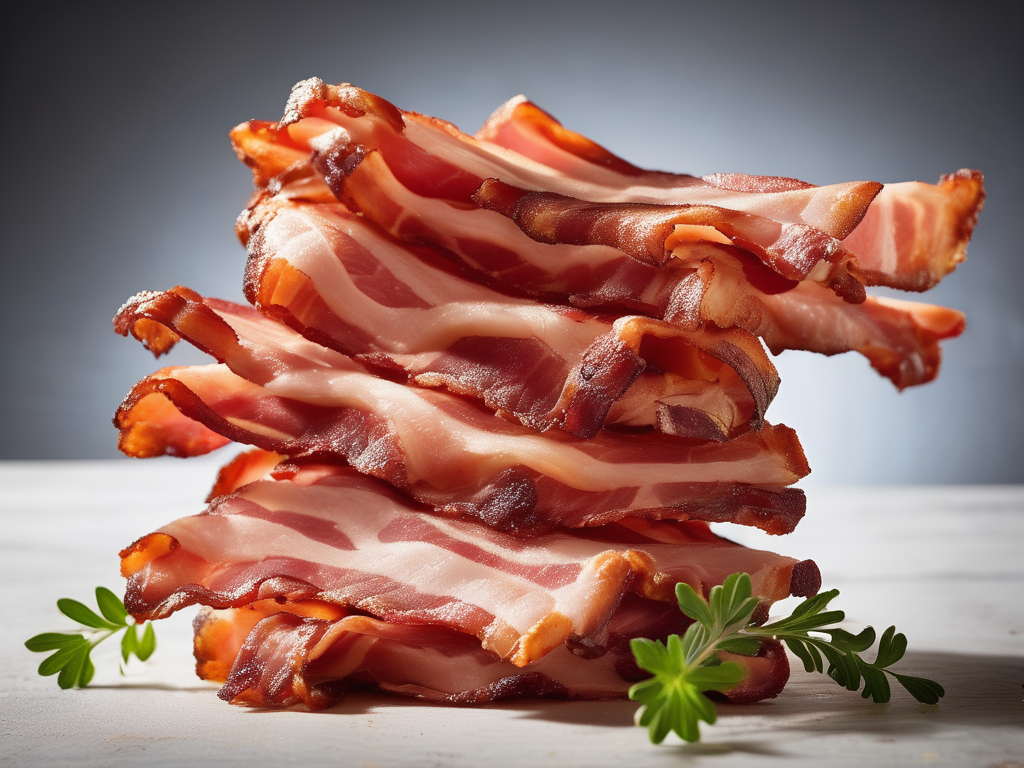
Bacon is a beloved breakfast staple that adds a deliciously savory touch to many dishes. Whether you prefer it crispy or chewy, there's no denying the appeal of this flavorful meat. But how long can you safely store bacon in your fridge or freezer? In this comprehensive guide, we'll explore the shelf life of bacon and provide you with practical tips to ensure its freshness and safety. (Bacon)
Factors Affecting Bacon Shelf Life
When it comes to determining the shelf life of bacon, several factors come into play. Understanding these factors can help you make informed decisions about storing and consuming your favorite pork product. Here are some key factors to consider:
Packaging
- Vacuum-Sealed: Bacon that is vacuum-sealed tends to have a longer shelf life compared to bacon that is simply wrapped in plastic.
- Nitrate-Free: Bacon that is nitrate-free may have a shorter shelf life due to the absence of preservatives.
Storage Conditions
- Refrigeration: Proper refrigeration is essential for extending the shelf life of bacon. Keep it stored at or below 40°F (4°C).
- Freezing: Bacon can be frozen to prolong its shelf life. Make sure to wrap it tightly to prevent freezer burn.
Quality of Bacon
- Freshness: The fresher the bacon, the longer its shelf life. Check the expiration date on the package before purchasing.
- Appearance: Discoloration or off odors are signs that the bacon may be spoiled and should not be consumed.
Bacon Shelf Life Guidelines
Now that you understand the factors that influence bacon shelf life, let's delve into some specific guidelines to help you determine how long you can safely keep bacon in your kitchen:
Proper cooking temperatures are essential for food safety. An instant-read food thermometer (Amazon) helps ensure meat reaches safe internal temperatures and reduces the risk of foodborne illness.
Unopened Bacon
- Refrigerator: Unopened bacon can typically last in the refrigerator for 1-2 weeks past the sell-by date.
- Freezer: If properly stored in the freezer, unopened bacon can last for up to 6 months.
Opened Bacon
- Refrigerator: Once opened, bacon should be consumed within 1 week.
- Freezer: Opened bacon can be frozen for 1-2 months. For best quality, use it within a month.
Cooked Bacon
- Refrigerator: Cooked bacon can be stored in the refrigerator for 4-5 days.
- Freezer: Cooked bacon freezes well and can be stored for up to 3 months.
Leftover Bacon Grease
- Refrigerator: Bacon grease can be stored in the refrigerator for up to 6 months.
- Freezer: Bacon grease can be frozen for long-term storage. Consider freezing it in small portions for easy use.
Tips for Proper Bacon Storage
To ensure the longevity and safety of your bacon, follow these practical tips for proper storage:
- Refrigerate promptly: Always refrigerate bacon promptly after purchase or use.
- Check the temperature: Monitor your refrigerator and freezer temperatures to ensure they are set correctly for optimal storage.
- Use airtight containers: Store opened bacon in airtight containers or resealable bags to prevent contamination.
- Label and date: Label your bacon packages with the date of purchase or freezing to track its shelf life.
- Rotate stock: Use the oldest bacon first to prevent waste and ensure freshness.
common situation
Understanding the shelf life of bacon can be particularly important in everyday cooking and meal prep. Imagine you’ve just had a busy week, and you opened a package of bacon for breakfast but didn’t finish it. The next weekend, you pull it out of the fridge to whip up some bacon-wrapped jalapeño poppers, only to find you’re not entirely sure if it's still good. This is a common situation for many home cooks.
In another situation, let’s say you’re planning a brunch with friends. You buy a bulk package of bacon with the intent to cook it all. After the fun gathering, you’re left with an unopened package that you don’t want to go to waste. Knowing how to properly store it for later use could save you money and prevent food waste.
Refrigerator temperature fluctuations can accelerate spoilage and increase food safety risks. A refrigerator thermometer (Amazon) helps monitor consistent cold storage (40°F or below).
Finally, consider the meal prep enthusiasts who buy bacon in bulk to use throughout the week. If they don't know how to store opened packages correctly, they might find themselves throwing away bacon due to spoilage, which could lead to frustration and additional costs.
Scientific Context and Preservation Methods
From a food safety perspective, bacon is a cured meat that undergoes a preservation process to enhance its flavor and extend its shelf life. Curing involves the use of salt, nitrates, and sometimes sugar, which inhibit the growth of bacteria. This is why cured bacon can last longer in your fridge compared to other types of meats.
However, the absence of preservatives in nitrate-free bacon means it may spoil faster. It’s essential to understand that while these curing methods are effective, they do not eliminate all bacteria. This is why proper storage is critical. When bacon is left at room temperature for too long, harmful bacteria such as Salmonella or Listeria can proliferate, leading to foodborne illnesses. Always handle bacon with care and ensure it is cooked thoroughly before consumption.
Common Mistakes People Make
Many people assume that bacon can be stored indefinitely in the fridge or freezer, but that’s a misconception. While refrigeration can slow down spoilage, bacon does not last forever. Some also think that as long as the bacon looks fine, it’s safe to eat. However, visual cues can be misleading. Always rely on your senses—smell, sight, and touch—to assess the freshness of bacon. If it smells off or feels slimy, it’s best to err on the side of caution and discard it.
Another common mistake is not properly sealing opened bacon packages. Exposure to air can lead to oxidation and freezer burn, significantly affecting the flavor and texture. Using airtight containers or resealable bags can help maintain quality.
Expert Insights
As a food safety expert, I recommend checking your bacon regularly. When you buy bacon, make it a habit to note the expiration date and plan your meals accordingly. If you notice the date is approaching and you haven’t used it, cooking the bacon and then freezing it is an excellent way to preserve its quality.
Furthermore, when cooking bacon, if you find you have too much leftover, consider using it in various dishes. Bacon can elevate everything from salads to baked goods, so being creative with leftovers can help mitigate waste while enjoying that smoky flavor.
Storage Methods
If you often find yourself with leftover bacon or want to keep your supplies fresh longer, consider these detailed storage methods:
Refrigeration
-
Original Packaging: If unopened, bacon can be kept in its original packaging until you're ready to use it. Once opened, wrap it tightly in plastic wrap or aluminum foil.
-
Airtight Containers: If you’re planning to use bacon over a few days, an airtight container works wonders. This minimizes exposure to air and can help preserve flavor.
Freezing
-
Pre-portioning: Cut bacon into strips before freezing. This allows you to take out only what you need without thawing the entire package.
-
Freezer Bags: Use freezer bags to store bacon. Make sure to squeeze out as much air as possible to prevent freezer burn.
-
Grease Storage: Don’t forget about bacon grease! After frying bacon, let the grease cool slightly, then pour it into a glass jar or container. Store it in the fridge or freezer for future cooking needs. It adds incredible flavor to dishes like roasted vegetables or sautéed greens.
Safety Warnings
Always be cautious when handling raw bacon. Make sure to wash your hands and any utensils that come in contact with it to prevent cross-contamination. When cooking bacon, ensure it reaches a minimum internal temperature of 145°F (63°C) to kill any harmful bacteria.
Additionally, when defrosting bacon, avoid leaving it out on the counter. Instead, opt for refrigerator thawing or the microwave method for quick defrosting, ensuring it is cooked immediately afterward.
Conclusion
In conclusion, understanding the shelf life of bacon and following proper storage guidelines are essential for maintaining its quality and safety. By considering factors such as packaging, storage conditions, and the quality of the bacon, you can enjoy this tasty treat without worry. Remember to refrigerate or freeze bacon promptly, use it within recommended timeframes, and always inspect for signs of spoilage before consuming. With these tips in mind, you can savor the delicious flavor of bacon while prioritizing food safety in your kitchen.
For more information on bacon and other food safety tips, visit here. (Bacon)
Related Posts
Here are some other articles you might find helpful:
Authoritative Food Safety References
These agencies and university labs inform every tip and health precaution we publish.
USDA FoodKeeper – Cold Storage Guidelines
Official refrigerator, freezer, and pantry timelines maintained by the U.S. Department of Agriculture.
Visit USDA FoodKeeperFDA Produce Safety Rule & Grower Guidance
Field-to-fridge handling practices that prevent contamination of fruits, vegetables, and leafy greens.
Visit FDA Produce SafetyCDC Foodborne Illness Prevention Hub
Surveillance-backed guidance on pathogens, symptoms, and steps to reduce foodborne illness risk.
Visit CDC Food SafetyUC Davis Postharvest Technology Center
University research detailing optimal storage atmospheres for produce after harvest.
Visit UC Davis PostharvestPenn State Extension – Home Food Preservation & Safety
Peer-reviewed extension bulletins on safe canning, chilling, and reheating practices.
Visit Penn State ExtensionDisclosure: As an Amazon Associate, we earn from qualifying purchases. This helps support our site and allows us to continue providing free food safety information.