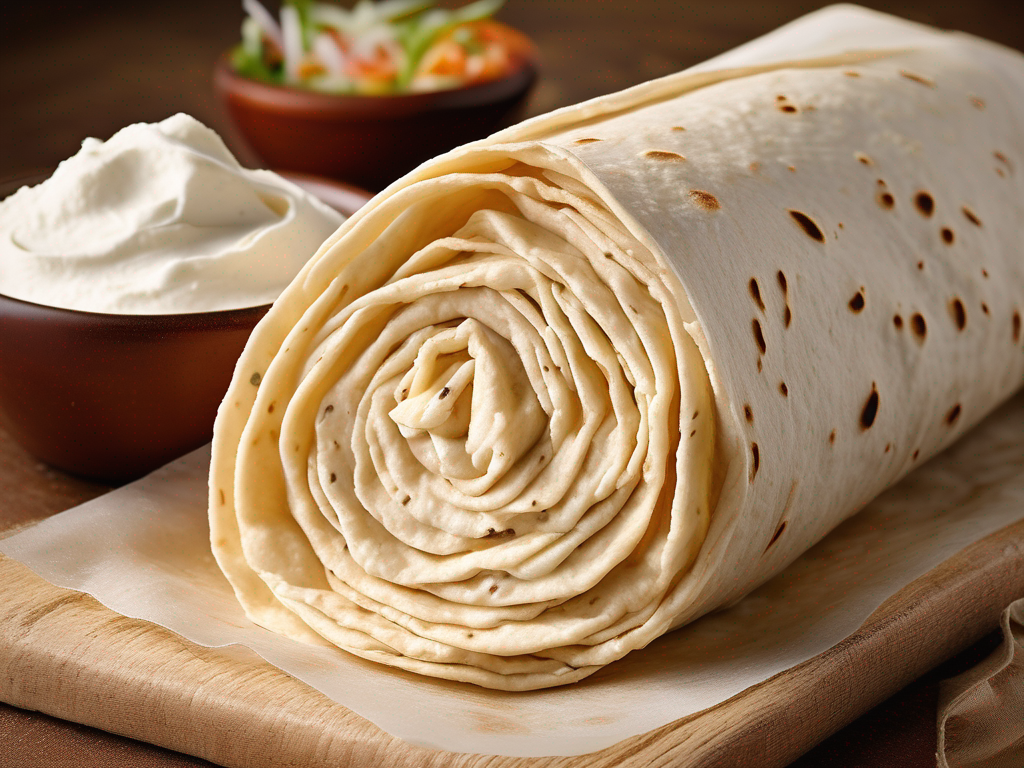
How to Properly Store Flour Tortillas to Prevent Mold Growth
How to Properly Store Flour Tortillas to Prevent Mold Growth
Flour tortillas are a versatile staple in many households, perfect for making tacos, quesadillas, burritos, and more. To ensure your flour tortillas stay fresh and mold-free, proper storage is key. Mold growth can occur when tortillas are exposed to moisture or stored improperly. In this guide, we'll discuss the best practices for storing flour tortillas to prevent mold growth and extend their shelf life. (Flour tortilla)
Understanding the Shelf Life of Flour Tortillas
Before diving into storage tips, it's important to understand the typical shelf life of flour tortillas. When stored properly, unopened flour tortillas can last for several weeks beyond the "best by" date on the package. Once opened, they should be consumed within a week for optimal freshness. However, factors such as temperature, humidity, and storage conditions can impact the shelf life of flour tortillas.
Factors That Contribute to Mold Growth
Mold thrives in moist environments and can quickly develop on flour tortillas if not stored correctly. Here are some factors that contribute to mold growth:
Dairy products require consistent cold storage to prevent spoilage and bacterial growth. A refrigerator thermometer (Amazon) helps ensure your refrigerator maintains safe temperatures (40°F or below).
Moisture
- Exposure to moisture from the air or other foods can promote mold growth on flour tortillas.
- Condensation inside the packaging can also create a breeding ground for mold.
Temperature
- Warm temperatures accelerate mold growth, so it's essential to store flour tortillas in a cool, dry place.
Air Exposure
- Exposure to air can lead to moisture loss and make the tortillas dry and prone to mold growth.
Best Practices for Storing Flour Tortillas
To prevent mold growth and keep your flour tortillas fresh, follow these best practices for storage:
1. Choose the Right Packaging
- Keep flour tortillas in their original packaging if unopened, as it is designed to protect them from moisture and air.
- If the original packaging is not resealable, transfer the tortillas to an airtight container or resealable plastic bag.
2. Store in a Cool, Dry Place
- Keep flour tortillas in a cool, dry pantry or cupboard away from heat sources and direct sunlight.
- Avoid storing tortillas near the stove, oven, or microwave, as heat can promote mold growth.
3. Keep Away from Moisture
- Ensure the storage area is free from moisture and humidity, as damp conditions can cause mold to form on the tortillas.
- Do not store flour tortillas near the sink, dishwasher, or any other source of water.
4. Use Proper Sealing Techniques
- Seal the packaging or container tightly to prevent air exposure and moisture from getting in.
- If using a resealable plastic bag, squeeze out excess air before sealing it shut.
5. Rotate Stock Regularly
- If you buy flour tortillas in bulk, make sure to rotate your stock so that older packages are used first.
- This helps prevent the tortillas from sitting for too long and potentially developing mold.
Tips for Handling and Serving Flour Tortillas Safely
In addition to proper storage, here are some tips for handling and serving flour tortillas safely to reduce the risk of contamination:
1. Wash Hands Thoroughly
- Before handling flour tortillas, wash your hands with soap and water to prevent the transfer of bacteria.
2. Use Clean Utensils
- Use clean utensils, such as tongs or a tortilla warmer, to handle and serve tortillas to avoid cross-contamination.
3. Heat Tortillas Properly
- When heating flour tortillas, ensure they are heated thoroughly to kill any bacteria that may be present.
- Use a skillet, oven, or microwave to heat tortillas to your desired temperature before serving.
Conclusion
Proper storage is essential for maintaining the freshness and quality of flour tortillas and preventing mold growth. By following the tips outlined in this guide, you can extend the shelf life of your tortillas and enjoy them without worrying about mold contamination. Remember to store tortillas in a cool, dry place, away from moisture and heat sources, and always handle and serve them safely to ensure a delicious and mold-free dining experience.
After opening, transferring dairy into an airtight container (Amazon) can reduce odor absorption, limit moisture exposure, and help slow bacterial growth.
For more information on flour tortillas and other food storage tips, visit [flour tortilla](/food/flour tortilla). Stay safe and enjoy your delicious flour tortillas! (Flour tortilla)
Related Posts
Here are some other articles you might find helpful:
Authoritative Food Safety References
These agencies and university labs inform every tip and health precaution we publish.
USDA FoodKeeper – Cold Storage Guidelines
Official refrigerator, freezer, and pantry timelines maintained by the U.S. Department of Agriculture.
Visit USDA FoodKeeperFDA Produce Safety Rule & Grower Guidance
Field-to-fridge handling practices that prevent contamination of fruits, vegetables, and leafy greens.
Visit FDA Produce SafetyCDC Foodborne Illness Prevention Hub
Surveillance-backed guidance on pathogens, symptoms, and steps to reduce foodborne illness risk.
Visit CDC Food SafetyUC Davis Postharvest Technology Center
University research detailing optimal storage atmospheres for produce after harvest.
Visit UC Davis PostharvestPenn State Extension – Home Food Preservation & Safety
Peer-reviewed extension bulletins on safe canning, chilling, and reheating practices.
Visit Penn State ExtensionDisclosure: As an Amazon Associate, we earn from qualifying purchases. This helps support our site and allows us to continue providing free food safety information.