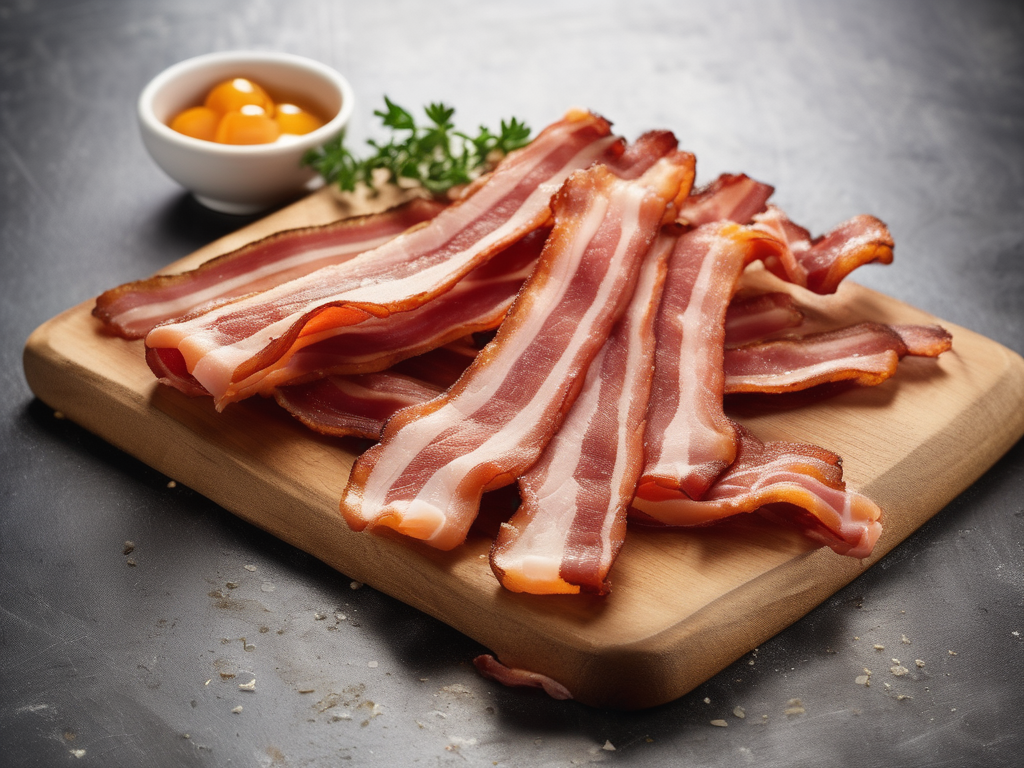
How Long is Unopened Bacon Good for in the Fridge?
CanIEatExpired.com Team
# How Long is Unopened Bacon Good for in the Fridge?

Bacon is a popular and versatile ingredient that adds a delicious flavor to a wide variety of dishes. Whether you prefer it crispy or chewy, bacon is a staple in many kitchens. But what happens if you buy a pack of bacon and don't use it right away? How long can you keep unopened bacon in the fridge before it goes bad? In this blog post, we'll explore the shelf life of unopened bacon and provide you with some helpful tips on how to store it properly to ensure its freshness and safety. ([Bacon](https://canieatexpired.com/food/bacon))

## Understanding the Shelf Life of Unopened Bacon

Unopened bacon typically comes packaged in a vacuum-sealed plastic wrap or a sealed container to keep it fresh. The shelf life of unopened bacon depends on various factors such as the packaging, storage conditions, and the expiration date printed on the package. Here are some general guidelines to help you determine how long unopened bacon is good for in the fridge:

### Factors Affecting the Shelf Life of Unopened Bacon

Several factors can impact the shelf life of unopened bacon:

1. **Packaging:** Bacon that is vacuum-sealed or packaged in a sealed container will last longer than bacon that is simply wrapped in plastic.
2. **Storage Temperature:** Proper refrigeration is key to extending the shelf life of bacon. Keep your unopened bacon in the coldest part of the fridge, ideally below 40°F (4°C).
3. **Expiration Date:** Always check the expiration date on the package. While bacon can often be safe to eat past this date if properly stored, it's a good guideline to follow.

### How Long Can Unopened Bacon Last in the Fridge?

On average, unopened bacon can last in the fridge for:

- **Vacuum-Sealed Bacon:** Up to 2 weeks past the sell-by date.
- **Packaged Bacon:** Up to 1 week past the sell-by date.

## Proper Storage Tips for Unopened Bacon

To maximize the shelf life of unopened bacon and maintain its quality, follow these storage tips:

### Refrigeration

- Store unopened bacon in its original packaging.
- Place the bacon in the coldest part of the fridge, such as the meat drawer.
- Avoid storing bacon in the fridge door, as temperature fluctuations can affect its quality.

### Freezing

- If you won't be using the bacon within the recommended timeframe, consider freezing it.
- Transfer the unopened bacon to a freezer-safe bag or container.
- Label the package with the date to track its freshness.

### Safety Precautions

- Check the bacon for any signs of spoilage, such as off smells, sliminess, or discoloration, before using it.
- Always cook bacon to the recommended internal temperature of 145°F (63°C) to kill any harmful bacteria.

## common situation: When You Might Need This Information

Imagine you’re preparing for a big brunch with friends. You go grocery shopping and pick up some delicious bacon, but in the hustle and bustle of life, you forget about it in the back of the fridge. A week later, you’re rummaging through your fridge, and there it is! What do you do? You remember reading this blog post and check the expiration date—nope, it’s still good! You feel a wave of relief knowing that as long as it’s properly stored, you can still whip up those crispy bacon strips for your gathering.

Or consider the busy parent who buys a pack of bacon as a quick dinner option but ends up using leftovers instead. A week later, they discover the unopened bacon in the fridge. They might feel panicky, wondering if it's safe to eat. By referring to the tips in this post, they can evaluate the bacon's condition and make a safe, informed decision.

Finally, think about the college student who buys a pack of bacon but then goes home for the holidays. They forget to check the fridge before leaving. When they return, they find the bacon still sealed but past the sell-by date. Thanks to this blog, they know to assess the bacon carefully before cooking it up for a late-night snack.

## Scientific Context: The Safety of Bacon

Understanding the science behind food safety can demystify some of the anxiety around food storage. Bacon, being a cured meat product, undergoes a preservation process involving salt and nitrites, which inhibit bacterial growth. This means it generally has a longer shelf life compared to other meats, but it’s not immune to spoilage.

Bacon is susceptible to spoilage due to the potential growth of pathogens like Listeria monocytogenes and Salmonella if not stored correctly. That's why maintaining a constant refrigerator temperature below 40°F (4°C) is crucial. When temperatures fluctuate, bacteria can proliferate, resulting in foodborne illnesses.

### Nutritional Information

When stored properly, bacon can maintain its nutritional value for quite some time. A single serving of bacon (about 2 slices or 16 grams) contains around 42 calories, 3 grams of protein, and 3 grams of fat. While bacon is delicious, it's also high in sodium and saturated fats, so moderation is key. If you find yourself holding onto unopened bacon for longer, consider how to incorporate it into balanced meals, combining it with vegetables or whole grains for a healthier dish.

## Common Mistakes When Storing Bacon

Many people unknowingly make mistakes that could compromise the safety and quality of their bacon. Here are a few common errors:

1. **Storing Bacon in the Fridge Door:** The fridge door isn’t the best place for bacon due to temperature fluctuations. It’s better to keep it in the back of the fridge where it’s consistently cold.

2. **Ignoring the Sell-by Date:** While bacon can remain safe past its sell-by date if stored properly, it’s essential to inspect it before use. If you're unsure, it's always better to err on the side of caution.

3. **Not Using the Right Packaging When Freezing:** Some may think that any plastic wrap will do, but using freezer-safe bags or containers helps prevent freezer burn, which can affect the taste and texture.

4. **Not Labeling Wrapped Bacon:** When freezing bacon, it’s easy to forget when it was stored. Always label your packages to ensure you use them within a reasonable timeframe.

## Expert Insights: Professional Recommendations

Food safety experts recommend regularly cleaning your refrigerator to avoid cross-contamination and ensure proper airflow, which helps maintain consistent temperatures. Additionally, investing in a good thermometer for your fridge can be a game-changer, allowing you to monitor the internal temperature accurately.

When it comes to bacon, some professionals suggest considering the type of bacon, too. Turkey bacon, for instance, has a different shelf life due to its moisture content and processing methods. Always check specific guidance for the type of bacon you're storing.

### Additional Storage Techniques

Besides freezing and refrigerating, consider these storage techniques to enhance the longevity of your bacon:

- **Pre-Cooking:** If you know you won’t consume the bacon within its shelf life, consider cooking it first. Cooked bacon can be stored in the fridge for about a week or frozen for up to a month without losing its flavor.

- **Marinating:** If you’re feeling adventurous, try marinating your bacon in your favorite sauces or spices before cooking. This can add a layer of flavor and make your bacon dishes even more exciting!

## Conclusion

In conclusion, unopened bacon can last for up to 2 weeks in the fridge if properly stored. By following the storage tips outlined in this blog post, you can ensure that your bacon stays fresh and safe to eat. Remember to always check the expiration date and inspect the bacon before using it to ensure its quality. Enjoy your bacon in all your favorite dishes knowing that it's been stored safely and correctly!

For more information on bacon and other food safety tips, visit our [bacon](/food/bacon) page. Happy cooking! ([Bacon](https://canieatexpired.com/food/bacon))

## Related Posts

Here are some other articles you might find helpful:

- [Making Informed Choices: Unopened Bacon Past Use By Date](/blog/unopened-bacon-past-use-by-date)
- [How to Properly Store Flour Tortillas to Prevent Mold Growth](/blog/how-to-properly-store-flour-tortilla-to-prevent-mold-growth)
- [Easy Tips for Reusing Cooked Bacon Leftovers in New Recipes](/blog/easy-tips-for-reusing-cooked-bacon-leftovers-in-new-recipes)
- [The Ultimate Guide to Storing Cooked Bacon Leftovers](/blog/how-to-properly-store-cooked-bacon-leftovers-for-maximum-freshness)
- [The Ultimate Guide to Safely Reheating Cooked Bacon Leftovers](/blog/the-ultimate-guide-to-safely-reheating-cooked-bacon-leftovers)
Authoritative Food Safety References
These agencies and university labs inform every tip and health precaution we publish.
USDAOfficial guidance
USDA FoodKeeper – Cold Storage Guidelines
Official refrigerator, freezer, and pantry timelines maintained by the U.S. Department of Agriculture.
Visit USDA FoodKeeperFDAOfficial guidance
FDA Produce Safety Rule & Grower Guidance
Field-to-fridge handling practices that prevent contamination of fruits, vegetables, and leafy greens.
Visit FDA Produce SafetyCDCOfficial guidance
CDC Foodborne Illness Prevention Hub
Surveillance-backed guidance on pathogens, symptoms, and steps to reduce foodborne illness risk.
Visit CDC Food SafetyResearchUniversity research
UC Davis Postharvest Technology Center
University research detailing optimal storage atmospheres for produce after harvest.
Visit UC Davis PostharvestResearchUniversity research
Penn State Extension – Home Food Preservation & Safety
Peer-reviewed extension bulletins on safe canning, chilling, and reheating practices.
Visit Penn State ExtensionDisclosure: As an Amazon Associate, we earn from qualifying purchases. This helps support our site and allows us to continue providing free food safety information.
Our articles are created using a combination of AI assistance and human review. All food safety information is based on USDA guidelines and credible sources. Learn more about our review process here.