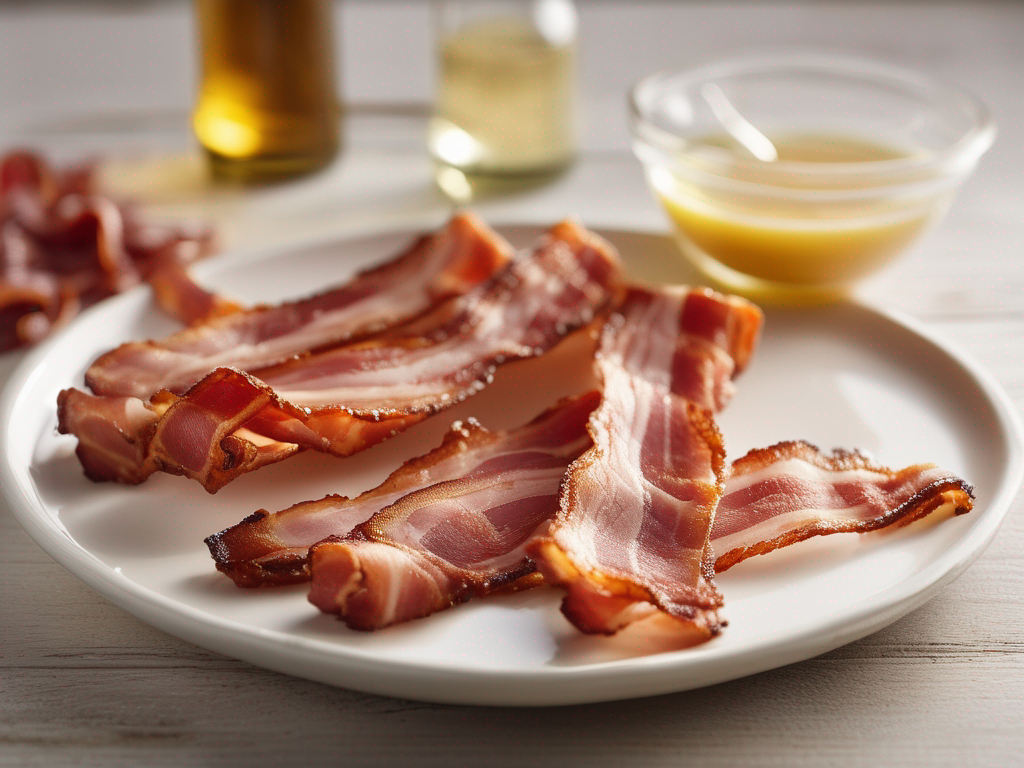
Making Informed Choices: Unopened Bacon Past Use By Date
CanIEatExpired.com Team
# Making Informed Choices: Unopened Bacon Past Use By Date

When it comes to food safety, it's essential to pay attention to expiration dates and storage guidelines. Bacon is a popular breakfast item that many households enjoy, but what should you do if you find unopened bacon past its use by date? In this blog post, we will explore the safety of consuming unopened bacon beyond its expiration date and provide practical tips for handling this situation. ([Bacon](https://canieatexpired.com/food/bacon))

## Understanding Use By Dates on Bacon Packages

Use by dates on food products, including bacon, indicate the date until which the manufacturer guarantees the product's quality and safety when stored properly. It's important to note that the use by date is not a strict deadline but rather a guideline for peak quality. In the case of unopened bacon, the use by date serves as a reference point for optimal freshness.

### Factors to Consider When Assessing Unopened Bacon

When evaluating unopened bacon that has surpassed its use by date, consider the following factors:

1. **Packaging Integrity**: Check if the packaging is intact without any signs of damage or tampering.
2. **Storage Conditions**: Verify if the bacon has been stored properly in a refrigerator at the recommended temperature (usually 40°F or below).
3. **Appearance and Smell**: Inspect the bacon for any unusual discoloration, off smells, or signs of spoilage.

## Safety Guidelines for Unopened Bacon Past Use By Date

While the use by date provides helpful guidance, unopened bacon can still be safe to consume after that date under certain conditions. Follow these safety guidelines when deciding whether to use unopened bacon past its expiration date:

### Factors Indicating Spoilage:

1. **Off Odor**: If the bacon emits a foul or sour smell, it may indicate spoilage.
2. **Slimy Texture**: A slimy or sticky texture on the bacon is a sign of bacterial growth.
3. **Visible Mold**: Discard the bacon if you notice any mold growth on the surface.
4. **Color Changes**: Any significant color changes, such as a greenish or grayish hue, suggest spoilage.

### Tips for Safe Consumption:

1. **Perform a Sensory Check**: Use your senses to assess the bacon for any signs of spoilage before cooking or consuming.
2. **Cook Thoroughly**: If the bacon passes the sensory check, cook it thoroughly to kill any potential bacteria.
3. **Store Properly**: Once opened, store the bacon in an airtight container or resealable bag in the refrigerator to maintain freshness.

## Can You Freeze Unopened Bacon Past Its Use By Date?

Freezing unopened bacon before its use by date is an effective way to extend its shelf life. If you find yourself with unopened bacon that has exceeded the expiration date, freezing can still be a viable option to preserve its quality. Follow these steps for freezing unopened bacon:

### Freezing Process:

1. **Check Packaging**: Ensure the bacon packaging is intact before freezing.
2. **Label and Date**: Label the bacon with the freeze date to track its storage time.
3. **Freezer Storage**: Place the unopened bacon in the freezer at 0°F for optimal preservation.

## common situation

Let’s take a moment to visualize some common situation that might resonate with your own experiences. Imagine it’s a lazy Saturday morning, and you’re craving a hearty breakfast. You rummage through the fridge and come across a package of unopened bacon that’s just past the use by date. You hesitate, wondering if it’s still safe to cook. On one hand, you don’t want to waste food; on the other, you don’t want to risk your health.

In another situation, perhaps you’ve been busy with work and haven’t had the chance to cook the bacon you bought last week. It’s unopened and still sealed, but it’s a few days beyond the date on the package. You wonder if you can still use it for a quick weeknight dinner or if it’s best to toss it.

These situation are more common than you might think, and they highlight the importance of understanding food safety guidelines.

## The Science Behind Bacon Preservation

Understanding the science of food preservation can help you make informed decisions. Bacon is typically cured with salt and sometimes smoked, which helps inhibit bacterial growth. This curing process extends its shelf life, but it doesn’t make it impervious to spoilage.

When stored correctly, unopened bacon can remain good for a while after the use by date due to the salt content and low moisture level, which create an environment less conducive to bacteria. However, this doesn’t mean you should ignore safety guidelines—always trust your senses when evaluating the quality of the bacon.

## Common Mistakes When Handling Bacon

Many people make mistakes when it comes to storing and assessing bacon. One common mistake is checking the date on the package and immediately deciding to toss the bacon without performing a sensory check. Remember, the use by date is just a guideline.

Another error is improperly storing bacon once it’s opened. Leaving opened bacon in its original packaging can lead to quicker spoilage due to exposure to air. Always transfer it to an airtight container or wrap it tightly in plastic wrap or aluminum foil to reduce oxidation. Many people also forget that bacon can be frozen, which is a great way to avoid waste.

## Expert Insights on Bacon Safety

As a food safety expert, I often advise consumers to err on the side of caution but also to be practical. If you have unopened bacon that is past its use by date and you’re not sure about its safety, consider the following recommendations:

- **Consult Your Nose First**: The sense of smell is often the first line of defense. If it smells fine, it’s likely safe.
- **Cooking Temperatures Matter**: Cook bacon until it reaches an internal temperature of 145°F. This not only enhances flavor but also ensures that any bacteria present are killed.
- **Keep a Food Diary**: If you find yourself often forgetting what’s in your fridge, consider keeping a food diary or a simple checklist. Jot down dates when you buy food and when you plan to use it, which can help prevent waste.

## Detailed Storage Techniques

Proper storage is key to extending the life of your bacon. Here are some detailed tips for maximizing freshness:

### Refrigeration:

- **Temperature Matters**: Ensure your refrigerator is set at or below 40°F.
- **Use the Coldest Spot**: Store bacon in the coldest part of the refrigerator, usually towards the back, where temperatures are more stable.

### Freezing:

- **Individual Portions**: For convenience, consider cutting the bacon into individual portions before freezing. This allows you to thaw only what you need.
- **Vacuum Seal**: If you have a vacuum sealer, use it to remove air and seal the bacon tightly before freezing. This prevents freezer burn and preserves flavor.

## Safety Warnings

Always be cautious when consuming food past its prime. If you have any doubts about the quality or safety of the bacon, it’s better to discard it than to take a risk. Remember, foodborne illnesses can lead to serious health issues.

## Conclusion

In conclusion, while it's essential to respect use by dates on food products like bacon, unopened bacon can still be safe to consume past its expiration date if stored properly and showing no signs of spoilage. By following safety guidelines, performing sensory checks, and considering freezing options, you can make informed decisions about unopened bacon past its use by date. Remember that when in doubt, it's always best to err on the side of caution and prioritize food safety. Enjoy your bacon responsibly!

For more information on bacon and other food safety topics, visit our [bacon](/food/bacon) guide.

Remember, your health is your priority, so stay informed and make wise choices when it comes to food consumption. ([Bacon](https://canieatexpired.com/food/bacon))

## Related Posts

Here are some other articles you might find helpful:

- [How to Properly Store Flour Tortillas to Prevent Mold Growth](/blog/how-to-properly-store-flour-tortilla-to-prevent-mold-growth)
- [Easy Tips for Reusing Cooked Bacon Leftovers in New Recipes](/blog/easy-tips-for-reusing-cooked-bacon-leftovers-in-new-recipes)
- [The Ultimate Guide to Storing Cooked Bacon Leftovers](/blog/how-to-properly-store-cooked-bacon-leftovers-for-maximum-freshness)
- [The Ultimate Guide to Safely Reheating Cooked Bacon Leftovers](/blog/the-ultimate-guide-to-safely-reheating-cooked-bacon-leftovers)
- [When to Toss Out Wilted Chives from Your Pantry](/blog/when-to-toss-out-wilted-chives-from-your-pantry)
Authoritative Food Safety References
These agencies and university labs inform every tip and health precaution we publish.
USDAOfficial guidance
USDA FoodKeeper – Cold Storage Guidelines
Official refrigerator, freezer, and pantry timelines maintained by the U.S. Department of Agriculture.
Visit USDA FoodKeeperFDAOfficial guidance
FDA Produce Safety Rule & Grower Guidance
Field-to-fridge handling practices that prevent contamination of fruits, vegetables, and leafy greens.
Visit FDA Produce SafetyCDCOfficial guidance
CDC Foodborne Illness Prevention Hub
Surveillance-backed guidance on pathogens, symptoms, and steps to reduce foodborne illness risk.
Visit CDC Food SafetyResearchUniversity research
UC Davis Postharvest Technology Center
University research detailing optimal storage atmospheres for produce after harvest.
Visit UC Davis PostharvestResearchUniversity research
Penn State Extension – Home Food Preservation & Safety
Peer-reviewed extension bulletins on safe canning, chilling, and reheating practices.
Visit Penn State ExtensionOur articles are created using a combination of AI assistance and human review. All food safety information is based on USDA guidelines and credible sources. Learn more about our review process here.