USDAOfficial guidance
USDA FoodKeeper – Cold Storage Guidelines
Official refrigerator, freezer, and pantry timelines maintained by the U.S. Department of Agriculture.
Visit USDA FoodKeeperStorage conditions, initial freshness, and proper handling change the answer — and those details are easy to miss.
Last reviewed: January 2026
Reviewed by the Can I Eat Expired Editorial Team using official USDA, FDA, and CDC food safety guidance. How we assess food safety risk
This food is often safe when handled and stored properly, but safety depends on how it's been kept and whether any spoilage signs are present.
⏱️ Safe for up to 365 days after expiry if properly stored and showing no spoilage signs.
Get a yes / no answer for your hoisin sauce bottled un →
Pantry
50°F (10°C)
Store in a cool, dark place away from direct sunlight.
Spices lose flavor and potency when exposed to air and moisture. Keeping them sealed in an airtight spice container (Amazon) helps preserve flavor and prevent clumping.
730 days
Change in color, separation of ingredients, unusual odor
Marinades, stir-fry sauces, glazes
Oyster sauce, soy sauce
Over time, Hoisin sauce may degrade in quality due to factors like exposure to air, light, and heat. While the sauce may still be safe to consume past the expiration date, its flavor and consistency may deteriorate. It's important to distinguish between expiration dates and best quality dates. The former indicates when the sauce may no longer be safe to eat, while the latter suggests the period when the sauce is at its peak quality but may still be consumed afterwards with potential changes in taste.
To check if commercially bottled unopened Hoisin sauce has gone bad, look for any signs of mold, discoloration, or unusual growth on the surface. Give it a sniff for any off or sour odors, and ensure the sauce maintains its smooth and consistent texture without any lumps or separation. If you notice any of these indicators, it's best to discard the sauce.
Hoisin sauce can pose risks of foodborne illnesses if not stored properly. Common pathogens associated with improper storage include mold, yeast, and bacteria. To prevent contamination, always ensure the bottle is tightly sealed after each use, avoid cross-contamination with raw foods, and refrigerate the sauce if specified on the label. High-risk scenarios include leaving the bottle open for extended periods or storing it in warm and humid conditions.
For optimal storage of unopened Hoisin sauce, keep it in a cool, dry place away from direct sunlight and heat sources. Once opened, refrigerate the sauce to prolong its shelf life and maintain its quality. To prevent crystallization or separation of ingredients, gently shake the bottle before each use. Additionally, using a clean utensil to scoop out the sauce can help prevent contamination. Remember to check the label for specific storage instructions tailored to the product.
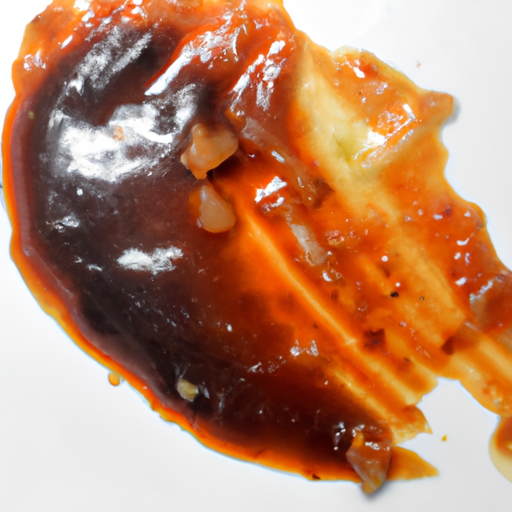
Hoisin sauce, originating from Chinese cuisine, is a thick, dark sauce with a sweet and savory flavor profile. It is commonly used as a dipping sauce, marinade, or glaze in various Asian dishes. Fun fact: Despite its name suggesting it contains seafood (hoisin means seafood in Chinese), traditional hoisin sauce is actually made from ingredients like soybeans, garlic, vinegar, and spices. The sauce holds cultural significance in Chinese cooking and has gained popularity in international cuisines.
It's safe to store Hoisin Sauce Commercially Bottled Unopened next to soy sauce in the pantry as long as both bottles are tightly sealed. However, to prevent flavor transfer, it's advisable to keep them in separate locations if possible.
Once opened, Hoisin Sauce Commercially Bottled Unopened can typically be consumed for up to 1 year if stored in the refrigerator. Make sure to check for any signs of spoilage like unusual smells, off colors, or mold growth before use.
The type of container can impact the shelf life of Hoisin Sauce Commercially Bottled Unopened. Opt for airtight glass or plastic containers to maintain its quality. Avoid storing it in metal containers as the acidic nature of the sauce may react with the metal.
Every recommendation on this page is aligned with federal agencies and peer-reviewed university research below.
Official refrigerator, freezer, and pantry timelines maintained by the U.S. Department of Agriculture.
Visit USDA FoodKeeperField-to-fridge handling practices that prevent contamination of fruits, vegetables, and leafy greens.
Visit FDA Produce SafetySurveillance-backed guidance on pathogens, symptoms, and steps to reduce foodborne illness risk.
Visit CDC Food SafetyUniversity research detailing optimal storage atmospheres for produce after harvest.
Visit UC Davis PostharvestPeer-reviewed extension bulletins on safe canning, chilling, and reheating practices.
Visit Penn State ExtensionImportant: These are general guidelines based on authoritative sources listed above. Always use your best judgment and when in doubt, throw it out.
Disclosure: As an Amazon Associate, we earn from qualifying purchases. This helps support our site and allows us to continue providing free food safety information.