USDAOfficial guidance
USDA FoodKeeper – Cold Storage Guidelines
Official refrigerator, freezer, and pantry timelines maintained by the U.S. Department of Agriculture.
Visit USDA FoodKeeperStorage conditions, initial freshness, and proper handling change the answer — and those details are easy to miss.
Last reviewed: January 2026
Reviewed by the Can I Eat Expired Editorial Team using official USDA, FDA, and CDC food safety guidance. How we assess food safety risk
May be safe if properly stored and showing no spoilage signs. Check carefully before consuming.
⏱️ Safe for up to 30 days after expiry if properly stored and showing no spoilage signs.
Get a yes / no answer for your dried beef chipped beef or bottled →
Pantry
50°F (10°C)
Store in a cool, dark place away from heat sources
365 days
Mold growth, off smell, slimy texture
Add to stews, salads, sandwiches
Jerky, bacon bits
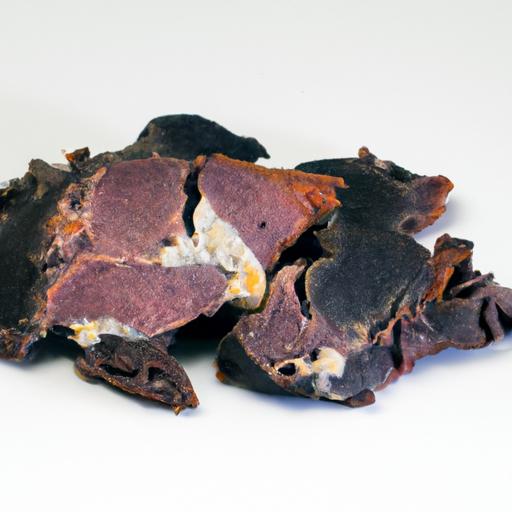
The expiration date on commercially canned or bottled dried beef is a guideline for the last date recommended for peak quality. It indicates when the product is likely to be at its best in terms of flavor, texture, and nutritional value. Consuming dried beef past the expiration date may not necessarily make it unsafe to eat, but the quality may deteriorate, leading to changes in taste and texture. It is important to use your judgment and inspect the product for any signs of spoilage before consuming.
To check if opened canned or bottled dried beef chipped beef has spoiled, look for signs of mold, an off smell, or any slimy or discolored patches on the beef. Discard the product if you notice any of these indicators as consuming spoiled dried beef can lead to foodborne illness.
Dried beef, such as chipped beef, that has been commercially canned or bottled and then opened can pose a risk of contamination if not stored properly. Once opened, it is important to refrigerate any unused portions promptly to prevent bacterial growth. Improper storage can lead to foodborne illnesses such as botulism, salmonellosis, or listeriosis.
To optimize the storage of opened canned or bottled dried beef, transfer any unused portions to an airtight container or resealable bag to maintain freshness. Store it in the refrigerator at a temperature below 40°F (4°C) to slow down bacterial growth and preserve quality. Consuming the opened product within 3-4 days is generally recommended to ensure quality and safety. Additionally, label the container with the date it was opened to track freshness.
Dried beef, including chipped beef, has a long history as a shelf-stable protein source that was popularized during wartime when fresh meat was scarce. Chipped beef has cultural significance in the United States, where it is commonly used in dishes like creamed chipped beef on toast, also known as 'SOS' or 'shit on a shingle' among military personnel. This dish has become a nostalgic comfort food for many Americans.
Once opened, Dried Beef Chipped Beef Commercially Canned or Bottled should be consumed within 3-4 days if refrigerated properly. Be sure to seal the container tightly after each use to maintain freshness and prevent contamination.
If Dried Beef Chipped Beef Commercially Canned or Bottled Opened has been left at room temperature for more than 2 hours, it's best to discard it to avoid the risk of bacterial contamination. Bacteria can multiply rapidly in perishable foods like canned meats when not stored at proper temperatures.
Yes, the type of container can impact the shelf life of Dried Beef Chipped Beef Commercially Canned or Bottled Opened. Opt for containers that are airtight and made of materials that won't react with the food. Proper sealing helps prevent spoilage and extends the product's freshness.
Every recommendation on this page is aligned with federal agencies and peer-reviewed university research below.
Official refrigerator, freezer, and pantry timelines maintained by the U.S. Department of Agriculture.
Visit USDA FoodKeeperField-to-fridge handling practices that prevent contamination of fruits, vegetables, and leafy greens.
Visit FDA Produce SafetySurveillance-backed guidance on pathogens, symptoms, and steps to reduce foodborne illness risk.
Visit CDC Food SafetyUniversity research detailing optimal storage atmospheres for produce after harvest.
Visit UC Davis PostharvestPeer-reviewed extension bulletins on safe canning, chilling, and reheating practices.
Visit Penn State ExtensionImportant: These are general guidelines based on authoritative sources listed above. Always use your best judgment and when in doubt, throw it out.