USDAOfficial guidance
USDA FoodKeeper – Cold Storage Guidelines
Official refrigerator, freezer, and pantry timelines maintained by the U.S. Department of Agriculture.
Visit USDA FoodKeeperLast reviewed: January 2026
Reviewed by the Can I Eat Expired Editorial Team using official USDA, FDA, and CDC food safety guidance. How we assess food safety risk
Storage conditions, initial freshness, and potential contamination change the answer — and those details are easy to miss.
Get a yes / no answer for your dragon fruit →
Check Your Exact SituationThis food is often safe when handled and stored properly, but safety depends on how it's been kept and whether any spoilage signs are present.
⏱️ Safe for up to 3 days after expiry if properly stored and showing no spoilage signs.

Countertop
Room temperature
Store at room temperature until ripe, then refrigerate
Proper airflow and humidity control can extend produce freshness. Using produce storage containers (Amazon) in the refrigerator helps regulate moisture and slow spoilage.
7 days
Soft spots, brown skin, fermented smell
Use in smoothies or fruit bowls
Kiwi, mango
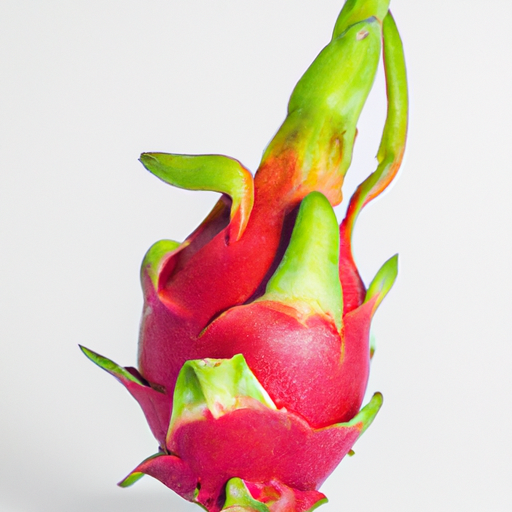
Dragon fruit does not have a strict expiration date like some perishable foods. Instead, it is best to consume dragon fruit when it is at its peak ripeness for optimal flavor and texture. An overripe dragon fruit may develop a sour taste and mushy texture, while an underripe fruit may lack sweetness. To determine the best quality of a dragon fruit, look for vibrant skin color, slightly soft texture, and a sweet aroma. While an expired dragon fruit may not necessarily pose a health risk, it may not offer the best eating experience.
To determine if Dragon Fruit has gone bad, look for any signs of mold, dark spots, or shriveling on the skin. A sour or unpleasant smell may also indicate spoilage. Additionally, if the flesh feels mushy or overly soft, it is likely no longer fresh.
Dragon fruit is generally considered safe to eat, but there are some potential risks associated with it. Since dragon fruit is a tropical fruit, it is important to wash the fruit thoroughly before cutting into it to prevent any potential contamination from bacteria or pesticides on the skin. Additionally, individuals with sensitivities to latex may also experience allergic reactions to dragon fruit, as it contains proteins similar to those found in latex. To minimize any risks, it is recommended to consume ripe dragon fruit and store it properly to prevent spoilage.
To store dragon fruit properly and extend its shelf life, it is best to keep it in the refrigerator. Place whole, uncut dragon fruit in a plastic bag or container to prevent it from absorbing odors from other foods. Once cut, wrap the unused portion in plastic wrap or store it in an airtight container in the refrigerator. It is recommended to consume cut dragon fruit within a few days for the best quality. Avoid freezing dragon fruit, as it can affect the texture and flavor of the fruit.
Dragon fruit, also known as pitaya, is a tropical fruit that is native to Central America but is now grown in many parts of the world, including Southeast Asia and Australia. The fruit gets its name from its vibrant, scaly skin that resembles dragon scales. In Asian cultures, dragon fruit is often associated with good luck, prosperity, and wealth. It is also a symbol of fire and is believed to bring strength and power. Dragon fruit is commonly used in smoothies, salads, and desserts, adding a pop of color and a mild, slightly sweet flavor.
If Dragon Fruit has been at room temperature for 2 days, it's likely safe to consume within 3 days post-expiry. Check for any signs of spoilage such as mold, off odors, or mushy texture. If it looks and smells fine, you can still eat it within the safe period after expiry.
Storing Dragon Fruit in a plastic container may not significantly extend its shelf life beyond the typical 7 days on the countertop. The key is to keep it in a cool, dry place away from direct sunlight. Plastic containers may not provide better ventilation than allowing it to breathe in open air.
Cooking Dragon Fruit can alter its texture and flavor but does not necessarily affect its expiration date. Once cooked, Dragon Fruit should be consumed within a similar timeframe as fresh Dragon Fruit. Store any leftover cooked Dragon Fruit in the refrigerator and consume it within 3 days for safety.
Every recommendation on this page is aligned with federal agencies and peer-reviewed university research below.
Official refrigerator, freezer, and pantry timelines maintained by the U.S. Department of Agriculture.
Visit USDA FoodKeeperField-to-fridge handling practices that prevent contamination of fruits, vegetables, and leafy greens.
Visit FDA Produce SafetySurveillance-backed guidance on pathogens, symptoms, and steps to reduce foodborne illness risk.
Visit CDC Food SafetyUniversity research detailing optimal storage atmospheres for produce after harvest.
Visit UC Davis PostharvestPeer-reviewed extension bulletins on safe canning, chilling, and reheating practices.
Visit Penn State ExtensionStorage: Fridge
View guide →
Storage: Fridge
View guide →
Storage: Pantry
View guide →
Storage: Fridge
View guide →
Storage: Fridge
View guide →
Storage: Fridge
View guide →
Storage: Fridge
View guide →
Storage: Fridge
View guide →
Storage: Fridge
View guide →
Important: These are general guidelines based on authoritative sources listed above. Always use your best judgment and when in doubt, throw it out.
Disclosure: As an Amazon Associate, we earn from qualifying purchases. This helps support our site and allows us to continue providing free food safety information.