USDAOfficial guidance
USDA FoodKeeper – Cold Storage Guidelines
Official refrigerator, freezer, and pantry timelines maintained by the U.S. Department of Agriculture.
Visit USDA FoodKeeperStorage conditions, initial freshness, and proper handling change the answer — and those details are easy to miss.
Get a yes / no answer for your bagels →
Last reviewed: January 2026
Reviewed by the Can I Eat Expired Editorial Team using official USDA, FDA, and CDC food safety guidance. How we assess food safety risk
May be safe if properly stored and showing no spoilage signs. Check carefully before consuming.
⏱️ Safe for up to 3 days after expiry if properly stored and showing no spoilage signs.
Pantry
Room temperature
Store in an airtight bag
Baking ingredients like flour and sugar stay fresher when protected from moisture and pests. airtight storage containers (Amazon) help prevent clumping, spoilage, and pest contamination.
7 days
60 days
Mold, extreme hardness
Use for sandwiches or croutons
English muffin, rolls
The expiration date on bagels indicates the point at which they may no longer be safe to eat due to potential microbial growth or quality degradation. However, even after the expiration date, bagels may still be safe to consume if they have been stored properly. The 'best quality' date signifies the time frame during which the bagels are expected to taste their best, but they can still be consumed after this date if they show no signs of spoilage.
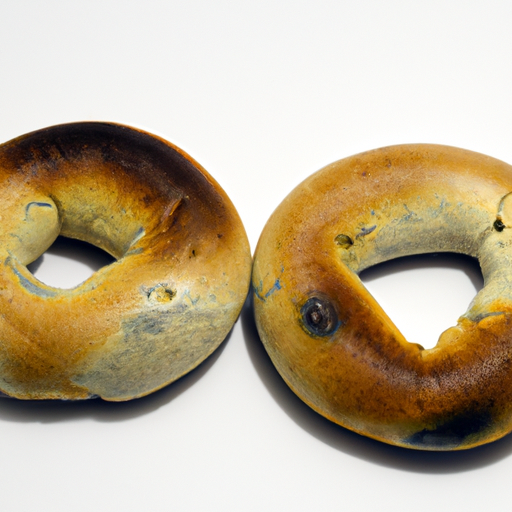
To check if bagels have gone bad, look for any mold growth on the surface, a sour or unpleasant smell, or a stale and hard texture. If you notice any of these signs, it's best to discard the bagels to avoid consuming spoiled food.
Bagels are generally safe to eat, but there are some potential risks to be aware of. Mold growth can occur if bagels are not stored properly or if they are kept beyond their recommended shelf life. Additionally, cross-contamination can occur if bagels come into contact with raw meat or other contaminated surfaces. It's important to handle bagels with clean hands and utensils to prevent any potential foodborne illnesses.
To keep bagels fresh for longer, store them in a paper bag at room temperature for up to 2 days. For longer storage, wrap them individually in plastic wrap or aluminum foil and freeze them. To revive frozen bagels, simply thaw them at room temperature or warm them in an oven or toaster. Avoid storing bagels in the refrigerator as it can make them go stale faster due to the low humidity.
Bagels have a rich cultural significance, particularly in Jewish communities where they have been a staple food for centuries. The round shape of bagels is said to symbolize eternity and the hole in the center may represent the cycle of life. In the United States, bagels have become a popular breakfast item and are often enjoyed with cream cheese, lox, or as a sandwich with various fillings.
If Bagels have been at room temperature for a few hours, they are generally safe to eat within the first 2 hours. After that, the risk of bacterial growth increases. Check for any changes in texture, smell, or appearance. If unsure, it's best to discard them to reduce the risk of foodborne illness.
Storing Bagels in a paper bag can help maintain their texture and freshness for up to 2 days. However, paper bags do not provide airtight protection, so if you plan to store them longer, consider transferring them to a resealable plastic bag to extend their shelf life.
Freezing Bagels can alter their texture slightly, but the taste remains relatively unchanged. To maintain their freshness after thawing, consider toasting them lightly before serving. Freezing is a great way to prolong the shelf life of Bagels, especially if you have a surplus.
Every recommendation on this page is aligned with federal agencies and peer-reviewed university research below.
Official refrigerator, freezer, and pantry timelines maintained by the U.S. Department of Agriculture.
Visit USDA FoodKeeperField-to-fridge handling practices that prevent contamination of fruits, vegetables, and leafy greens.
Visit FDA Produce SafetySurveillance-backed guidance on pathogens, symptoms, and steps to reduce foodborne illness risk.
Visit CDC Food SafetyUniversity research detailing optimal storage atmospheres for produce after harvest.
Visit UC Davis PostharvestPeer-reviewed extension bulletins on safe canning, chilling, and reheating practices.
Visit Penn State ExtensionNeed deeper reading? Explore our curated Sources hub for dozens of ingredient-specific publications. Our food safety review methodology explains how safety determinations are made.
Cooking Ingredients
View expiration date and storage guide →
Grains & Pasta
View expiration date and storage guide →
Instant Foods
View expiration date and storage guide →
Condiments & Spices
View expiration date and storage guide →
Grains & Pasta
View expiration date and storage guide →
Fruits & Vegetables
View expiration date and storage guide →
Condiments & Spices
View expiration date and storage guide →
Sauces and Marinades
View expiration date and storage guide →
Beverages
View expiration date and storage guide →
Important: These are general guidelines based on authoritative sources listed above. Always use your best judgment and when in doubt, throw it out. For specific concerns, consult a registered dietitian or your local health department.
Disclosure: As an Amazon Associate, we earn from qualifying purchases. This helps support our site and allows us to continue providing free food safety information.